Better Water at Work: Practical Ways Businesses Can Improve Water Quality
Walk into almost any workplace and you’ll find water playing a bigger role than people realize. Employees fill bottles, make coffee, wash dishes, clean equipment, use restrooms, and sometimes rely on water for production. When everything works as it should, nobody thinks twice about it.
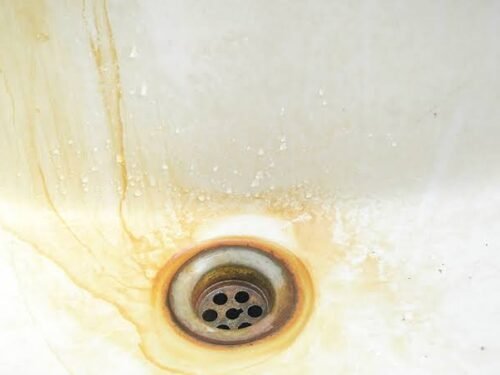
But poor water quality or unreliable equipment can quickly become noticeable. A strange taste in the break-room faucet, scale around fixtures, inconsistent water temperature, or frequent plumbing problems may seem like small annoyances. In a busy business, though, those little problems can add up.
Good commercial water management isn’t about making water treatment unnecessarily complicated. It’s about providing reliable water, protecting equipment, supporting employees, and avoiding problems before they become expensive disruptions.
Understand What Your Business Actually Needs
The right water solution depends heavily on the type of business.
A small office with twenty employees doesn’t have the same requirements as a restaurant, hotel, medical facility, manufacturing operation, or large commercial property. Water volume, usage patterns, incoming water quality, and local conditions all matter.
Testing the incoming water is a sensible starting point. It can reveal hardness, sediment, minerals, chlorine, and other characteristics that may affect treatment decisions.
Once you know what you’re dealing with, it’s easier to determine whether you need filtration, softening, disinfection, drinking-water treatment, or a combination of systems. Guessing tends to cost more in the long run.
Commercial Filtration Is About More Than Taste
When people hear the word filtration, they often think about drinking water. In a business environment, the benefits can extend much further.
A properly selected commercial water filtration system can help reduce certain contaminants, sediment, chlorine, and other unwanted substances depending on the technology being used. Better-quality water can also support equipment that depends on a consistent water supply.
Restaurants are a good example. Water quality can affect beverages, ice, cooking, and cleaning. In offices, filtration may improve the taste and odor of water employees drink throughout the day. In other settings, specific treatment requirements may be tied directly to operational processes.
The important phrase here is “properly selected.” Filtration isn’t one technology. Different filters target different problems, so system design should follow water testing and actual usage requirements.
Convenient Drinking Water Can Change Workplace Habits
There’s a practical side to workplace water that often gets overlooked.
If employees have easy access to clean, appealing drinking water, they’re more likely to refill bottles during the day. That’s especially useful in larger offices where people may otherwise rely heavily on individually packaged drinks.
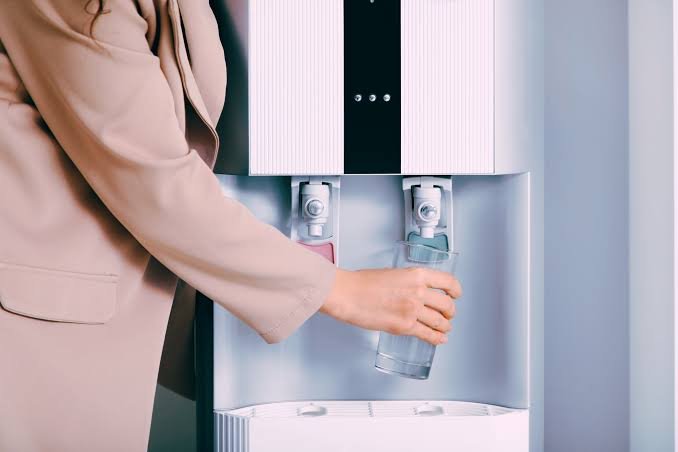
Many businesses are now considering bottleless water dispensers & coolers as an alternative to traditional bottled-water delivery. These systems connect to the building’s water supply and use filtration to provide drinking water without the need to store and replace large bottles.
For facilities teams, that can mean less storage space and fewer delivery logistics. For employees, it simply means walking over, filling a glass or reusable bottle, and getting back to work.
The environmental benefit can be meaningful too, particularly for workplaces that previously went through large quantities of disposable bottles. It isn’t the right choice for every facility, but it’s worth considering where convenience, waste reduction, and ongoing operating costs matter.
Don’t Forget Temperature and Hot Water
Cold drinking water tends to get all the attention, while hot water quietly handles a huge amount of daily work.
Bathrooms, kitchens, cleaning areas, laundry facilities, and production spaces may all depend on reliable hot water. That’s why water heaters deserve more attention than they usually receive.
A failing water heater doesn’t always announce itself dramatically. Sometimes the first sign is inconsistent temperature. Maybe someone complains that the shower in a staff facility suddenly turns cold, or the kitchen doesn’t have enough hot water during the busiest part of the day.
Routine inspections can help identify issues such as sediment accumulation, leaks, corrosion, inefficient operation, or aging components. Businesses should also consider whether their water-heating capacity matches actual demand. An undersized system may struggle during peak periods even if it is technically functioning.
Hard Water Can Be Tough on Commercial Equipment
Hard water is common in many areas, and its effects can be frustrating.
Calcium and magnesium can leave scale on fixtures, heating elements, pipes, dishwashers, coffee equipment, and other water-using appliances. Over time, that buildup may affect efficiency and increase maintenance requirements.
For some businesses, water softening can be a worthwhile investment. But again, the decision should be based on actual water hardness and operational needs.
A restaurant with commercial dishwashers and espresso equipment may have very different priorities from an office building. Understanding where scale is creating problems makes it easier to determine whether treatment is justified.
Maintenance Isn’t Optional
Even excellent equipment needs attention.
Filters have a limited service life. Water dispensers need cleaning and sanitization. Water heaters require inspection. Treatment systems may need adjustments as water conditions or business usage changes.
This is one area where preventive maintenance usually beats emergency repair. Waiting until a filter is completely exhausted or a water heater fails during a busy workday can create unnecessary downtime.
Businesses should keep straightforward service records. Note when filters were replaced, when equipment was inspected, and when unusual problems appeared. A simple maintenance schedule can prevent important tasks from being forgotten.
Water Safety and Employee Confidence Matter
Water quality isn’t only an equipment issue. It’s also a workplace experience.
Employees notice when drinking water tastes strange or when dispensers aren’t properly maintained. Customers notice it too, particularly in restaurants, hotels, healthcare facilities, and hospitality businesses.
Clear maintenance procedures help create confidence. Staff should know who is responsible for water equipment, when filters are changed, and what to do if a problem occurs.
Where regulations or industry standards apply, businesses should also make sure their treatment and water systems are managed appropriately. Documentation can be useful not only for compliance but for internal accountability.
Efficiency Can Lower Long-Term Costs
A good water strategy should consider operating costs, not just installation price.
An inexpensive system that requires frequent service or wastes significant amounts of water may become expensive over several years. Likewise, inefficient heating equipment can increase energy consumption month after month.
Look at the bigger picture. Consider water usage, energy demand, filter replacement, service requirements, equipment lifespan, and potential downtime.
Sometimes spending a little more on the right system saves considerably more later. That’s not always obvious on the initial invoice, but it shows up in the operating budget.
The Best System Is the One That Fits the Business
Commercial water treatment works best when it is treated as part of the facility rather than an isolated piece of equipment.
Start with water testing. Understand how much water the business uses and where it uses it. Identify the problems that actually matter. Then select equipment that addresses those needs without creating unnecessary complexity.
And don’t forget the human side. Employees want convenient drinking water. Customers expect clean facilities. Maintenance teams need systems that can be serviced without a headache.
Water may seem like a basic utility, but in a commercial setting, it supports almost everything happening behind the scenes. When it’s managed well, nobody has to think about it—and honestly, that’s a pretty good sign.
Reliable water quality, sensible equipment, and consistent maintenance can quietly make a workplace healthier, more efficient, and easier to run. That’s the real value of getting the water side of the business right.