Choosing the Right Water Treatment Approach for a Healthier, More Comfortable Home

Water plays a quiet but important role in almost every part of daily life. We drink it, cook with it, bathe in it, wash clothes, and rely on it to keep appliances running. So, when the water coming into a home has an unusual taste, leaves mineral deposits, or raises questions about possible contaminants, finding the right treatment solution becomes more than a technical decision. It becomes part of maintaining a comfortable and well-managed household.
The challenge is that water problems aren’t all alike. A solution that works beautifully for hard water may do little for bacteria or certain dissolved chemicals. Understanding the available treatment methods is the first step toward making a choice that is useful, practical, and suited to the home.
Start with the Water, Not the Equipment
It’s easy to get drawn into product comparisons before knowing what needs to be treated. Manufacturers often highlight impressive-sounding features, but the most expensive system isn’t automatically the most appropriate one.
Begin by identifying the water source. Municipal water, private wells, and other supplies can have different characteristics. A recent water quality report may offer helpful background, while laboratory testing can provide more specific information about concerns such as hardness, iron, manganese, nitrates, pH, or microbial contamination.
Testing is especially important when a household notices a sudden change in taste, odor, or appearance. These signs don’t always identify the cause, but they can indicate that further investigation is worthwhile.
What Advanced Filtration Can Do
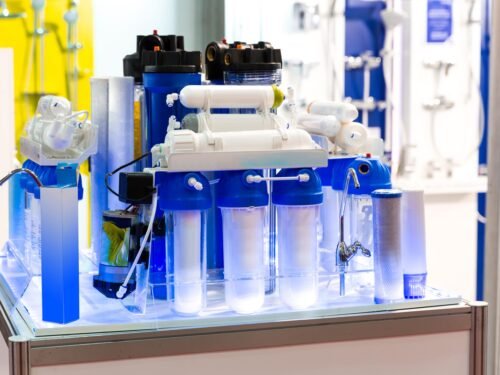
Modern filtration technology has come a long way from basic mesh screens. Depending on the design, advanced filtration can target suspended particles, chlorine, certain organic compounds, and other substances that affect water quality.
Activated carbon is commonly used to improve taste and odor and reduce certain chemicals. Sediment filters can capture particles such as sand, silt, and rust. Specialized filter media may be designed for particular contaminants, but their effectiveness depends on the product and the conditions in which it operates.
The key is matching the filter to the problem. A carbon filter, for example, should not be assumed to remove every dissolved contaminant. Likewise, a sediment filter is not a complete purification solution. Reading performance specifications and understanding testing results can prevent unrealistic expectations.
Understanding Water Softening
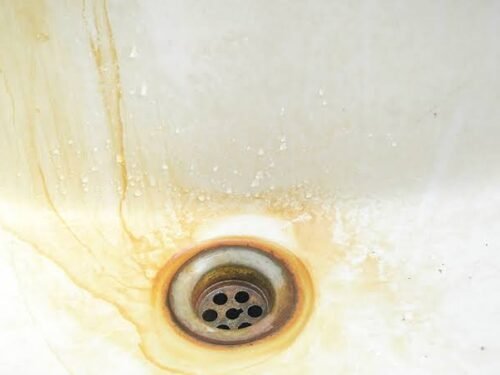
Hard water is one of the most common reasons homeowners explore treatment options. It contains elevated levels of calcium and magnesium, which can leave scale on faucets, shower doors, and appliances. Soap may also lather less effectively, and laundry can sometimes feel stiff after washing.
Water softening is designed specifically to reduce these hardness minerals. Traditional ion-exchange softeners replace calcium and magnesium ions with sodium or potassium ions. This can help reduce scale and improve the performance of plumbing fixtures and water-using appliances.
However, a softener is not a universal water purifier. It does not automatically remove bacteria, viruses, or every chemical contaminant. If a home has multiple water quality concerns, softening may need to be combined with another treatment method.
Homeowners should also consider salt usage, regeneration cycles, drainage requirements, and ongoing maintenance before installation. These practical details matter just as much as the initial purchase.
Why Whole-House Systems May Make Sense
A filter installed under the kitchen sink can be useful for drinking and cooking water, but it only treats water at that particular point. If the goal is to address water concerns across showers, bathrooms, laundry, and appliances, a broader approach may be needed.
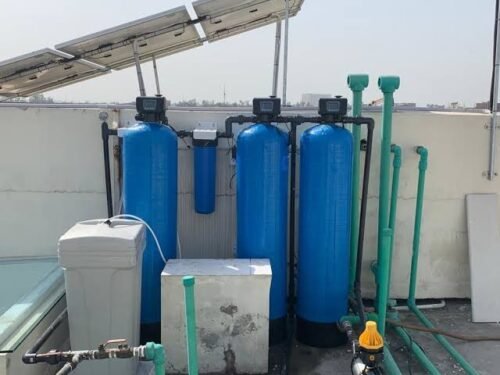
Whole-house systems are installed at a central point, often where water enters the property. They can be configured to address specific issues throughout the home, such as sediment, chlorine, hardness, or selected contaminants.
The right configuration depends on water test results and household demand. A system that is too small may struggle to keep up with peak usage, while an oversized setup may create unnecessary costs. Flow rate, pressure loss, installation space, and replacement media should all be considered.
Whole-house treatment can also help protect plumbing and appliances, but it should be designed around actual needs rather than the assumption that every home requires a complex multi-stage system.
Combining Treatment Technologies Thoughtfully
Sometimes, one treatment method is enough. In other situations, combining technologies produces a more complete result.
For example, a sediment pre-filter may protect downstream equipment from particles. Activated carbon can then help with taste and odor, while a water softener addresses hardness. In homes with specific dissolved contaminants, reverse osmosis or specialized media may be considered for drinking water or broader use.
The order of treatment matters. Some equipment performs better when sediment or chlorine is reduced beforehand. A qualified installer can help determine the appropriate sequence and ensure that the system is sized correctly.
It’s also important not to confuse “more stages” with “better treatment.” Additional equipment adds maintenance requirements and operating costs. Every component should have a clear purpose.
Maintenance Is Not Optional
A water treatment system only works as well as its maintenance routine. Filters need replacement, softeners require salt or other replenishment, and certain systems need periodic cleaning or inspection.
Before choosing equipment, ask how often consumables must be replaced and what those parts cost. Find out whether service is readily available and whether the system requires electricity, drainage, or specific water pressure.
Neglected maintenance can reduce performance and may allow treated water quality to decline without obvious warning. Keeping a simple service calendar can help homeowners stay ahead of filter changes and inspections.
Consider the Environmental and Financial Side
Water treatment is an investment, so it makes sense to consider its long-term impact. Initial equipment costs are only one part of the picture. Electricity use, replacement filters, salt, wastewater, and professional servicing can all affect the total cost of ownership.
Reverse osmosis systems, for example, may produce wastewater, while traditional softeners use water during regeneration. More efficient designs are available, but homeowners should review manufacturer specifications rather than relying on broad claims.
A system that meets the household’s needs without unnecessary complexity is often easier to operate and maintain over time.
Making a Confident, Informed Choice
Choosing a water treatment solution doesn’t have to feel like navigating a maze of technical terms. Start with testing, identify the actual concern, and select equipment designed to address that issue.
Advanced filtration, water softening, and whole-house treatment each have distinct roles. When used appropriately, they can improve water’s taste, reduce scale, protect appliances, and support more consistent household water quality.
The best decision is rarely about buying the most elaborate system. It’s about choosing a reliable solution that fits the water, the property, and the people using it every day.