
Designing Spaces That Support Work, Creativity, and Everyday Life
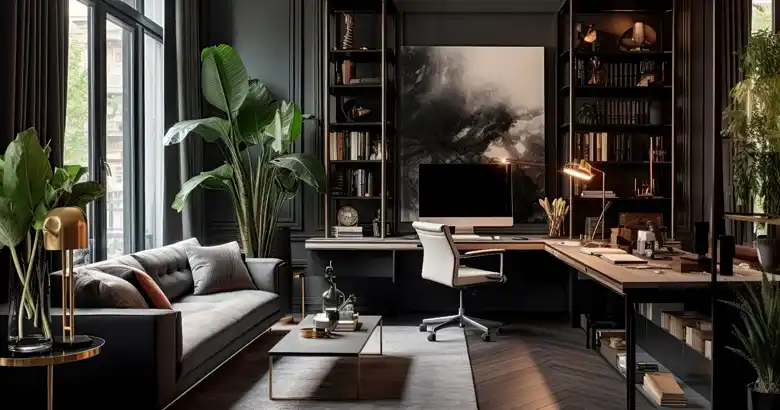
The way we use our homes has changed. A room that once sat quietly for most of the day may now be a workplace, a study, a video-call backdrop, a creative corner and, by five o’clock, a place to throw a laptop aside and breathe.
That shift has made thoughtful interior planning more important than ever. A comfortable home isn’t only about beautiful finishes. It needs to support concentration, privacy, movement and all the wonderfully ordinary interruptions that come with real life.
Good design doesn’t try to make a home look untouched. It creates an environment where people can work, rest, meet, create and occasionally make a mess without feeling as though they’ve failed some invisible decorating test.
Workspaces Need to Work
A home office should do more than hold a desk and computer. It needs to support the person using it.
When planning home offices, start with the basics: natural light, comfortable seating, reliable electrical access and enough surface area for the work being done. Someone who spends eight hours on video calls has very different needs from someone who mostly writes, sketches or works with paperwork.
Desk placement matters, too. Facing a window can provide pleasant daylight, but it may create glare on a monitor. Positioning the desk perpendicular to the window often gives a useful compromise.
Then there’s storage. A few drawers or shelves can prevent paperwork and equipment from spreading across the room. It doesn’t have to be perfectly organised. It just needs to be organised enough that Monday morning doesn’t begin with a frantic search for a charger.
Think About Backgrounds and Acoustics
Video meetings have made backgrounds unexpectedly important.
A blank wall can work, but it may feel sterile. A bookcase, artwork, plants or a simple architectural feature can create a more natural setting without becoming distracting.
Sound is equally important, especially in busy households. Hard surfaces tend to bounce sound around, while rugs, curtains and upholstered furniture can help soften a room.
If a dedicated office isn’t possible, acoustic improvements can make a shared space more workable. Even moving a desk away from a noisy hallway can make a surprising difference.
Privacy doesn’t always require a door. A partial partition, shelving unit or strategically positioned furniture can create enough separation for focused work.
Design for the Technology You Actually Use
Technology should be considered early rather than hidden at the very end.
Think about where monitors will sit, where cables need to travel, and where printers, charging stations or additional equipment will live. Providing power in convenient locations reduces the temptation to run extension cords across walkways.
Wireless devices help, but they don’t eliminate the need for sensible planning.
Good cable management is another small detail that can dramatically improve the appearance of a workspace. Concealed channels, under-desk trays and built-in outlets can keep things tidy without requiring constant effort.
The best solution is usually the one you barely notice.
Make Space for Creativity
Work isn’t always about spreadsheets and meetings. Many people use their homes for painting, writing, photography, music, crafting or other creative pursuits.
Creative spaces benefit from flexibility.
A large work surface may be more useful than a traditional desk. Adjustable lighting can help with detailed tasks. Open shelving keeps frequently used materials visible and accessible, while closed storage hides everything when the project is finished.
Natural light can be particularly valuable, although the ideal setup depends on the activity. Artists may want consistent daylight, while photographers or designers may need controlled lighting conditions.
Don’t worry about making the space look perfectly styled. Creative work tends to leave evidence behind. That’s part of the charm.
Listen to the People Who Use the Space
Interior design can look very different once people actually move into the finished room. A layout that seemed perfect on paper might reveal an awkward walkway. A storage solution might turn out to be too shallow. A beautiful chair may look wonderful but become uncomfortable after an hour.
That’s why client reflections can be so valuable during and after a project. They reveal what photographs cannot.
Good feedback isn’t only praise. Sometimes the most useful observation is something as simple as, “We wish we’d added another outlet here.” Those details can guide future decisions and help designers understand how a space performs beyond the initial reveal.
A finished project should be viewed as a lived environment, not just a completed image.
Separate Work From Rest When Possible
One of the hardest parts of working from home is knowing when the workday is actually over.
If your desk sits beside the bed, it can be difficult to mentally switch off. Even in a small apartment, creating some visual separation can help.
A folding screen, curtain, bookcase or even a change in lighting can establish a boundary between work and personal time.
When space allows, keeping the office in a room separate from the bedroom is often helpful. But not everyone has that luxury. The important thing is to create some kind of ritual that signals the end of work.
Close the laptop. Put away the notebook. Turn off the task lighting.
Small actions can create surprisingly strong psychological boundaries.
Don’t Forget Comfort
A workspace can be technically efficient and still feel unpleasant.
Chair height, monitor position, desk depth and lighting all affect comfort. If you’re spending long hours at a desk, ergonomics shouldn’t be treated as an optional extra.
Your monitor should generally sit at a comfortable viewing height, and your chair should provide appropriate support. Lighting should reduce glare rather than create another source of eye strain.
Plants and personal objects can also make a workspace feel less clinical. A favourite photograph, a small collection of books or even a mug you’ve had for years can make the space feel like yours.
Good Design Starts With Good Questions
Before beginning a renovation or redesign, it’s useful to ask questions rather than immediately choosing finishes.
How many people will use the room? What equipment is essential? How often will guests visit? What currently frustrates you? What works well already?
These answers provide a much stronger foundation than simply copying a photograph from a magazine.
If you’re considering professional help, a detailed project inquiry should explain the goals, approximate scope, existing challenges and any practical requirements. Clear information early in the process makes it easier to discuss possibilities realistically.
It also creates a better starting point for conversations about budget, materials, timelines and priorities.
Leave Room for Change
A workspace designed today may look very different five years from now.
Technology changes. Jobs change. Families grow. Hobbies appear out of nowhere. A room that works beautifully for one purpose may eventually need to serve another.
Flexible furniture and adaptable storage can make these transitions easier. A desk might later become a craft table. Built-in shelves can hold books today and equipment tomorrow. A spare room can shift between guest accommodation and office space as circumstances change.
Trying to predict the future perfectly is impossible. Designing with some flexibility is much more realistic.
Let the Space Feel Like You
There is no single definition of a perfect home office or creative room.
For one person, perfection may mean complete silence and minimalist furniture. For another, it might mean music playing quietly, photographs on the wall and notebooks scattered across the desk.
That’s okay.
A useful space should reflect the person using it. It should make daily tasks easier without stripping away personality.
Ultimately, successful residential design isn’t about creating rooms that look impressive for a few minutes. It’s about creating environments that continue to feel good after months and years of ordinary use.
The real measure of a successful space is often quite simple: you walk into it and know what you’re there to do — and you feel comfortable doing it.
That’s when design stops being decoration and starts becoming part of everyday life.


