
How Advanced Water Filtration Can Improve Water Quality at Home
Water is one of those everyday essentials we rarely stop to question. We turn on the tap, fill a glass, take a shower, or run the washing machine without giving much thought to what may be flowing through the pipes. But when water starts tasting unusual, leaves stains behind, or creates problems for appliances, its quality suddenly becomes impossible to ignore.
The good news is that water treatment technology has come a long way. Today, homeowners have access to filtration systems designed to address a wide range of concerns, from sediment and chlorine to certain dissolved contaminants. Still, choosing the right equipment requires more than picking a product with an impressive label. It starts with understanding the water itself.
Why Water Quality Deserves Attention
Water quality can affect comfort, maintenance, and the performance of household plumbing. Hard water may leave mineral deposits on taps and shower screens. Chlorine can affect taste and odor. Sediment may cause cloudy water or clog fixtures, while iron and sulfur can create staining or unpleasant smells.
Some contaminants cannot be identified by sight, taste, or smell, which is why testing matters. Water from a municipal supply is treated before reaching homes, but its quality can still be influenced by distribution pipes and household plumbing. Private well water may have different concerns depending on local geology, nearby land use, and seasonal conditions.
Rather than assuming the water is either completely safe or completely problematic, it’s more useful to identify the specific issues and select treatment accordingly.
What Makes Advanced Filtration Different?
Traditional filters are often designed to handle a particular type of impurity. A basic sediment filter, for example, can capture visible particles but won’t necessarily reduce dissolved chemicals or minerals.
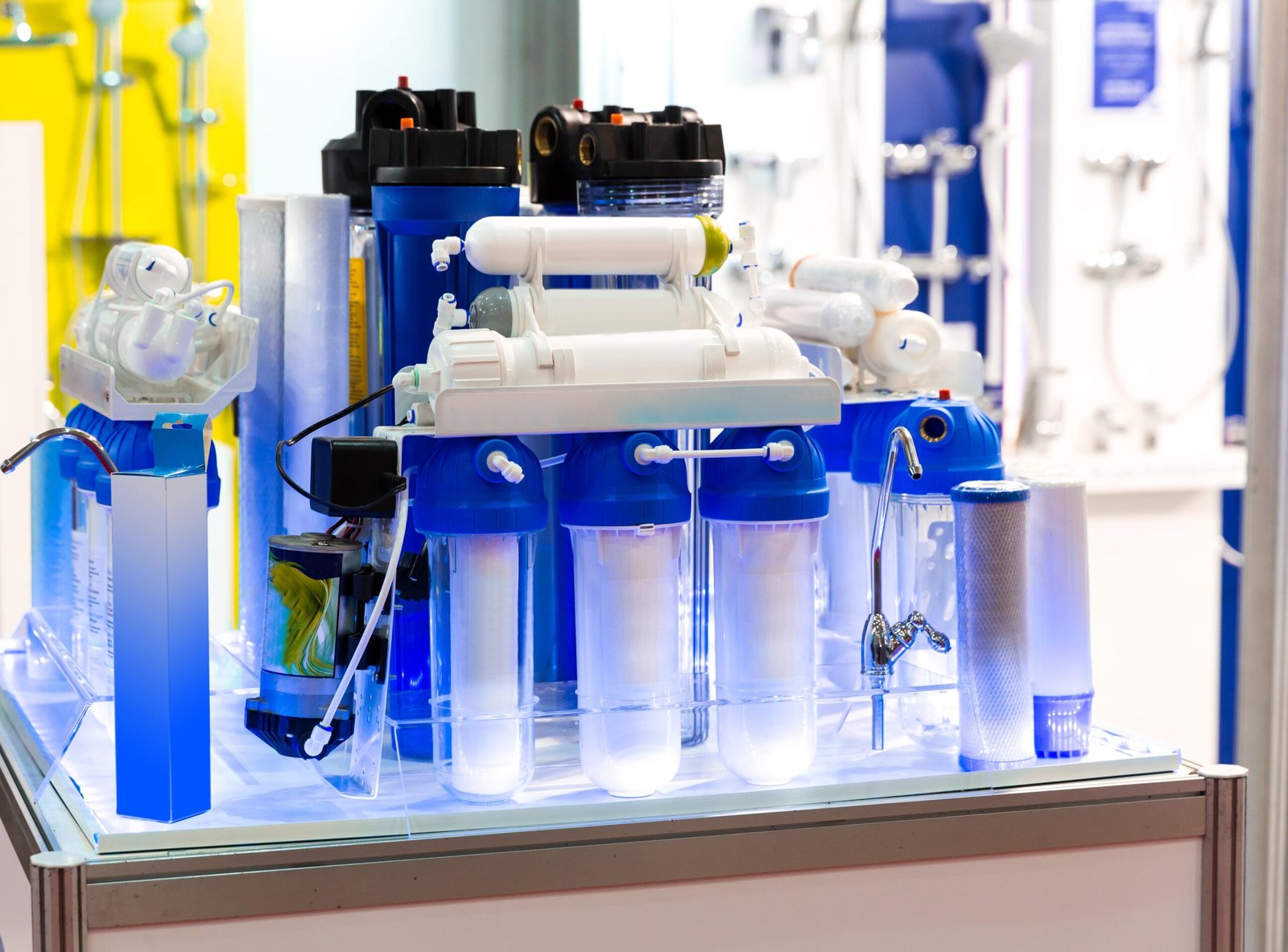
Advanced filtration refers to more sophisticated treatment approaches that may combine multiple stages or use specialized media and membranes. Depending on the system, this can include sediment pre-filtration, activated carbon, membrane technology, oxidation, or other targeted processes.
The advantage of a multi-stage system is that each component can serve a different purpose. One stage may protect the next, while another focuses on improving taste, reducing specific contaminants, or protecting plumbing equipment.
However, “advanced” doesn’t automatically mean “better for every home.” A complex system can be unnecessary if the water problem is simple. The most effective setup is the one that addresses the actual water-quality concerns without adding equipment you don’t need.
Begin With a Water Test
One of the smartest first steps for homeowners is arranging a free water test when a reputable provider offers one. A basic test may examine factors such as hardness, pH, iron, chlorine, or other common water-quality indicators. More detailed laboratory testing may be needed for specific contaminants.
A test can reveal things that aren’t obvious during everyday use. For instance, water may look clear but contain high mineral content. On the other hand, a strong odor might point toward a relatively specific issue that doesn’t require a complete household filtration overhaul.
Before accepting any recommendation, ask what the test measures and whether the results are explained clearly. A free test can be useful, but it shouldn’t be treated as a substitute for laboratory analysis when serious contamination concerns exist.
The goal is simple: understand the problem before spending money on the solution.
Common Filtration Technologies Explained
Different filtration methods work in different ways. Knowing the basics makes product comparisons less confusing.
Sediment Filtration
Sediment filters remove suspended particles such as sand, dirt, rust, and silt. They are often used as a first stage because they help protect other treatment components from clogging.
Activated Carbon
Carbon filters are widely used to improve taste and odor. They can reduce chlorine and may help address certain organic compounds, depending on the carbon type and system design.
Reverse Osmosis
Reverse osmosis uses pressure to move water through a semipermeable membrane. It can reduce many dissolved substances, but performance depends on water pressure, membrane quality, pre-treatment, and the contaminants being targeted.
UV Disinfection
Ultraviolet systems use UV light to help control certain microorganisms. They are often considered for microbial treatment, but they don’t remove sediment, hardness, or dissolved chemicals. Water clarity and proper maintenance are important for effective operation.
Specialized Media
Some systems use media designed for specific concerns, such as iron, sulfur, or other minerals. These systems must be selected according to water chemistry rather than general marketing claims.
Why a Customized Solution Makes Sense
Every property has its own water conditions, plumbing layout, and usage habits. A small apartment, a large family home, and a rural property using well water may have very different treatment requirements.
A customized solution takes these differences into account. It may involve selecting the right filter size, combining technologies, placing treatment at the main water entry point, or installing a dedicated drinking-water system in the kitchen.
For example, a household dealing mainly with hard water may benefit from a softener, while another home concerned about drinking-water taste may need carbon filtration. A property with well-water odor and iron staining could require oxidation and filtration instead.
Customization also means considering water consumption. A system that is too small may struggle during peak demand, while an oversized system could cost more than necessary and require additional maintenance.
Whole-House or Point-of-Use Filtration?
This is a practical decision that often depends on the household’s priorities.
Whole-house filtration treats water as it enters the property. It can be useful when the goal is to improve water quality across showers, bathrooms, laundry areas, and kitchen fixtures.
Point-of-use filtration focuses on a particular tap or appliance. It may be a sensible choice when drinking and cooking water are the main concerns.
Neither option is automatically the right choice. The decision should be based on the water test, the desired level of treatment, installation space, and budget.
Maintenance Shouldn’t Be an Afterthought
A filtration system needs regular care to remain effective. Filters can become clogged, carbon media eventually loses its capacity, and membranes may require replacement. Ignoring these tasks can reduce performance and, in some cases, create hygiene concerns.
Ask about the expected lifespan of consumable parts before purchasing. Find out how often filters need changing, whether professional servicing is required, and what ongoing costs to expect.
It’s also wise to keep track of replacement dates. A simple reminder on your phone can prevent maintenance from being forgotten.
How to Choose a Reliable Provider
Look for a company that begins with water testing and asks questions about your property. A dependable provider should explain what each recommended component does, provide clear pricing, and avoid promising that one system can remove every possible contaminant.
Check whether the equipment has relevant certifications and whether replacement filters are readily available. Installation support and after-sales service are also important, especially for systems that involve plumbing connections or electrical components.
A good provider isn’t just selling equipment. They’re helping you make a decision that should work for years.
Final Thoughts
Improving water quality doesn’t have to be complicated, but it does require a sensible starting point. Test the water, identify the actual concern, and compare treatment technologies based on what they are designed to do.
Advanced filtration can offer meaningful benefits when properly selected, while a customized solution helps ensure that the equipment fits your home’s needs. With regular maintenance and realistic expectations, the result can be cleaner-feeling water, better-tasting drinking water, and fewer everyday frustrations.
Sometimes, the best home improvement is the one you don’t notice every day—because everything simply works the way it should.


