Water is one of those everyday essentials that often goes unnoticed until it becomes inconvenient. A home may run smoothly for months, and then suddenly the drinking-water supply needs replenishing, a filter stops working properly, or a water treatment system requires attention. These moments are a reminder that clean, dependable water depends not only on the source but also on the systems and habits supporting it.
For households, offices, and businesses, managing water needs effectively can make daily routines easier. The right combination of delivery services, filtration equipment, and regular maintenance can reduce interruptions and help people feel more confident about the water they use.
Understanding Your Household Water Needs
Before choosing a water service, it helps to consider how water is used throughout the property. A small apartment may have different requirements from a large family home. Likewise, an office with several employees may consume water differently from a restaurant, salon, or retail business.
Drinking and cooking are often the first priorities, but water is also used for cleaning, washing, bathing, and operating appliances. Some properties may need improved taste and odor, while others may be dealing with hard water, sediment, or specific quality concerns.
Understanding these differences makes it easier to choose a suitable solution. Instead of selecting a product simply because it is popular, homeowners and business owners can focus on what they actually need, how much water they use, and how often supplies or equipment require attention.
The Convenience of Bottled Water Delivery
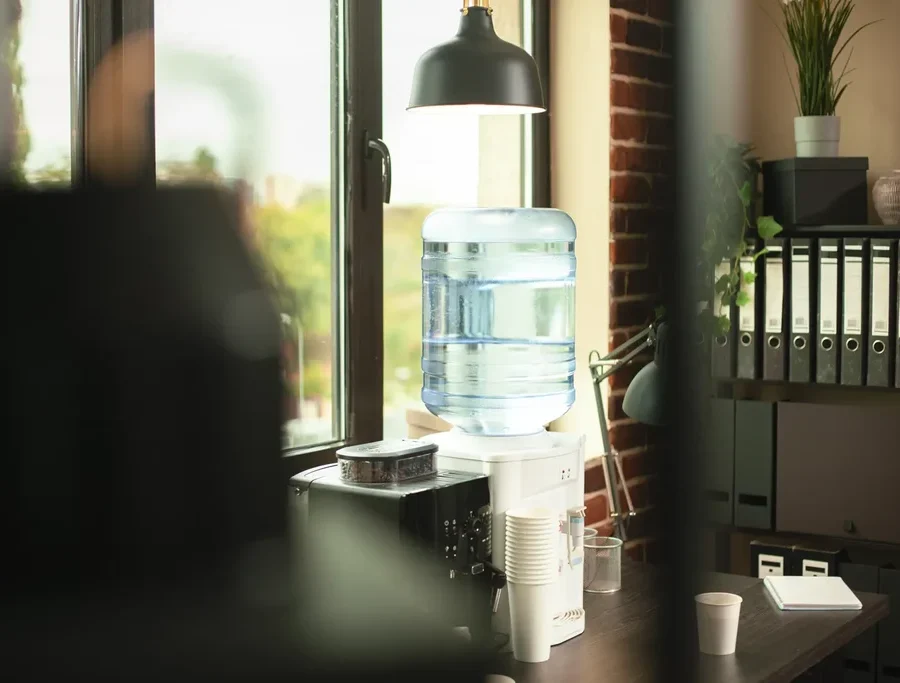
For many homes and workplaces, bottled water delivery offers a convenient way to maintain access to drinking water without repeatedly carrying heavy containers from a store. Scheduled deliveries can be especially useful for offices, waiting areas, break rooms, and households with consistent consumption.
Depending on the provider, customers may be able to choose bottle sizes, delivery frequencies, and dispenser options. Some services offer returnable containers, while others provide single-use bottles. These differences matter because they affect storage, cost, and environmental impact.
Before signing up, it’s worth checking the delivery schedule, minimum order requirements, container deposits, and cancellation terms. Customers should also ask how bottles are cleaned, handled, and protected during transportation. Convenience is valuable, but it should come with clear information about quality and service practices.
Bottled water can be a practical option for certain situations, though it may not be the most economical or sustainable choice for every household. Comparing it with a properly maintained filtration system can help people decide what fits their routine.
Why Filtration Systems Need Regular Attention
Water filtration equipment is designed to reduce specific impurities, improve taste, or address other water-quality concerns, depending on its technology. But even a well-designed system cannot perform indefinitely without care.
Filters collect or reduce substances over time. As they become loaded with sediment or other materials, water flow may slow down and performance may decline. In some cases, a neglected filter can affect the taste or odor of the water it was intended to improve.
This is why homeowners should understand the recommended replacement schedule from the beginning. The timing may depend on water quality, household consumption, filter capacity, and the manufacturer’s instructions. A family that uses a large amount of water may need replacements more frequently than a smaller household.
Staying Ahead With Filter Replacements
One of the simplest ways to protect filtration performance is to keep up with filter replacements. It’s an easy task to postpone, especially when the water still appears clear. But many filters do not show obvious signs when they are nearing the end of their useful life.
A replacement schedule can help. Some systems include indicator lights or monitoring features, while others rely on calendar reminders and changes in water flow. Homeowners should record the installation date and check the product instructions for guidance.
Using the correct replacement filter is equally important. Filters may look similar but have different capacities, connection types, or performance specifications. Choosing an incompatible product can reduce effectiveness or create installation problems.
Businesses should be even more organized. A missed replacement in an office, restaurant, or facility with high water usage can affect multiple people and disrupt normal operations. Keeping spare filters available may be worthwhile when replacements are essential to daily service.
The Importance of Maintenance and Service
Filtration systems, water softeners, dispensers, and other water equipment all benefit from proper maintenance & service. Routine attention helps identify small problems before they become expensive repairs.
Maintenance may include inspecting connections, checking pressure, cleaning components, replacing consumable parts, and reviewing system performance. The exact requirements depend on the equipment. Some systems are relatively simple, while others need professional servicing at scheduled intervals.
Professional support can be particularly useful when water quality changes unexpectedly or equipment begins making unusual sounds, leaking, or producing less water than normal. Attempting a complicated repair without understanding the system may create additional damage.
A reliable service provider should explain what work is needed, why it matters, and how often it should be performed. Clear pricing and written service details can also make ongoing maintenance easier to manage.
Choosing Between Delivery and Filtration
Bottled water delivery and filtration systems serve different purposes, and neither is automatically the right choice for everyone. Delivery may be convenient for drinking-water access, especially where portability or minimal installation is important. Filtration may offer a longer-term option for households that want treated water directly from a tap.
Some homes and businesses use both. For example, a workplace might have a filtration system for everyday use while keeping bottled water available for visitors or emergency situations. A household may use an under-sink filter for cooking and drinking while relying on a separate system for broader water concerns.
The decision should consider cost, water consumption, available space, maintenance responsibilities, and personal preferences. Looking beyond the initial purchase price is important. Delivery fees, replacement filters, installation, servicing, and storage can all influence the long-term value of a solution.
Quality, Hygiene, and Responsible Use
Whatever water solution a property chooses, cleanliness and proper handling should remain priorities. Bottles and dispensers need to be stored appropriately, while filtration systems should be installed and maintained according to their instructions.
Water containers should not be left in unsuitable conditions for long periods, particularly where heat or contamination could become concerns. Likewise, filters should be replaced on time, and equipment surfaces should be cleaned as recommended.
Responsible water use also includes reducing unnecessary waste. Reusing suitable containers, choosing refillable options where practical, and disposing of replacement cartridges correctly can make everyday water management more environmentally conscious.
Building a Reliable Water Routine
Managing water needs well doesn’t require complicated habits. A simple routine—checking supplies, tracking replacement dates, cleaning equipment, and arranging service when needed—can make a meaningful difference.
For households, these steps can help keep drinking water convenient and filtration equipment dependable. For businesses, they can support smoother operations and reduce unexpected interruptions.
In the end, good water management is about consistency. Whether the solution involves scheduled delivery, a home filtration unit, or professional equipment servicing, the goal is the same: dependable access to water that suits the needs of the people using it. A little planning today can prevent a lot of inconvenience tomorrow.