Making Sense of Well Water, Smart Monitoring, and Commercial Water Treatment
Water quality is easy to overlook when everything appears normal. A tap runs clear, the shower works, and nobody gives the plumbing a second thought. But water can contain minerals, sediment, or other substances that aren’t obvious to the eye. For homeowners and businesses, understanding water quality is less about chasing perfection and more about knowing what the water needs.
That becomes especially important when a property relies on a private well, manages a large building, or wants to prevent small water-related problems from becoming expensive repairs. Modern treatment methods and monitoring tools can help, but the right approach starts with understanding the source and the purpose of the system.
Why Water Quality Can Vary From Property to Property
Water quality isn’t identical everywhere. Municipal water goes through treatment and distribution systems, while private well water depends on underground conditions, the well itself, and surrounding land use. Even neighboring properties can experience different water characteristics.
Well water may contain naturally occurring minerals such as calcium, magnesium, iron, or manganese. Depending on the location, it may also contain sediment or other contaminants that require testing. Some issues are mostly cosmetic, such as staining or an unpleasant taste. Others may require prompt attention because of potential health concerns.
The important point is that appearance alone doesn’t tell the whole story. Clear water can still contain dissolved substances, and cloudy water doesn’t automatically indicate a dangerous condition. Testing provides a more dependable picture.
What Well Water Treatment Can Address
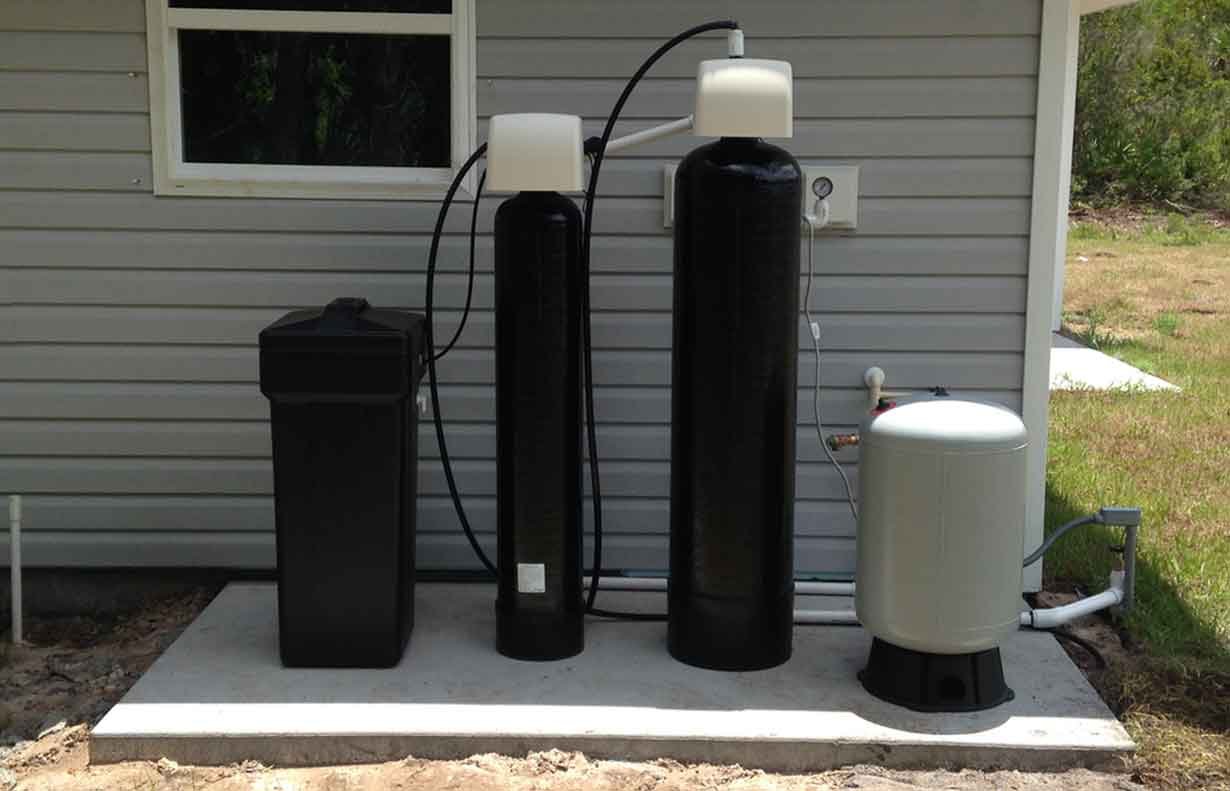
For households using private wells, well water treatment is often about managing specific water-quality challenges rather than installing one universal solution. A professional evaluation can help identify whether the main concern is hardness, iron, sulfur odor, sediment, bacteria, or another contaminant.
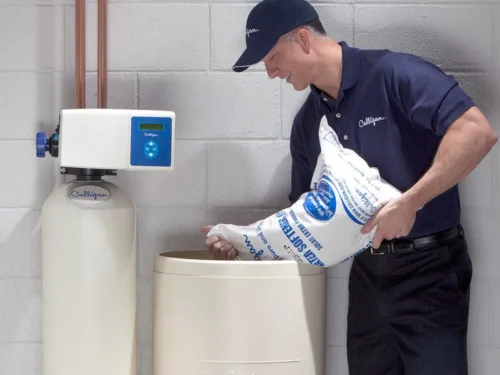
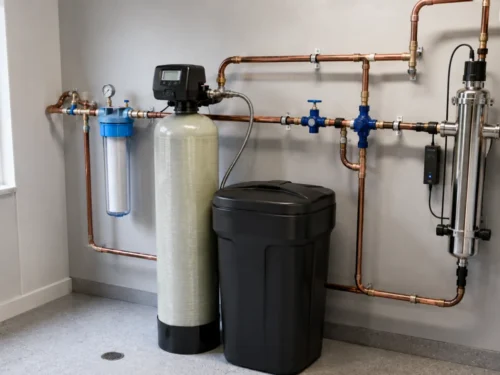
Different problems call for different technologies. A sediment filter may help capture particles, while a water softener is designed to reduce hardness minerals. Carbon filtration can improve certain tastes and odors, and ultraviolet systems may be considered for microbial treatment in appropriate situations.
However, no single device removes everything. For example, a softener isn’t a substitute for disinfection, and a standard carbon filter shouldn’t be assumed to address every contaminant found in well water. The treatment plan should be based on laboratory results and the system’s verified capabilities.
Why Regular Well Testing Matters
Private well owners should treat water testing as an ongoing responsibility, not just a one-time task after moving into a property. Water conditions can change because of flooding, heavy rainfall, damage to the well, nearby construction, or changes in the surrounding environment.
Testing schedules vary depending on local guidance and household circumstances. It is especially sensible to test after repairs, flooding, or noticeable changes in taste, odor, or appearance. Families with infants or people who may be more vulnerable to certain contaminants should ask a qualified professional about appropriate testing.
Keep copies of your test results. Over time, they can help reveal changes and make it easier to decide whether treatment equipment needs adjustment.
The Growing Role of Smart Water Monitoring
Water treatment and water monitoring are related, but they aren’t the same thing. Treatment changes the water. Monitoring helps you understand what is happening within the water system.
Smart water monitoring tools may track factors such as water usage, flow, pressure, leaks, or equipment status, depending on the product. Some systems can send alerts when unusual water activity is detected, which may help homeowners identify a running toilet, a burst pipe, or a leak before the issue becomes more serious.
Monitoring can also support maintenance. For example, a system might help users keep track of filter life or notice changes in water consumption. Still, homeowners should check what a device actually measures. A water-use monitor doesn’t necessarily test for contaminants, and a leak detector isn’t a substitute for laboratory water analysis.
Used correctly, monitoring provides useful information without creating a false sense of security.
How Businesses Approach Water Quality
Commercial properties often have more complicated water needs than a typical home. Restaurants, offices, hotels, healthcare facilities, manufacturing sites, and apartment buildings may use large volumes of water for different purposes.
Water quality can affect equipment, cleaning processes, customer experience, and operational costs. In some industries, water must meet specific quality requirements for production or sanitation. A restaurant may be concerned about scale in dishwashing equipment, while a manufacturing facility may need water with tightly controlled chemical characteristics.
This is where commercial water solutions become relevant. These may include filtration, softening, reverse osmosis, ultraviolet treatment, deionization, or specialized systems designed for a particular application.
The right system depends on the business’s water source, flow requirements, usage patterns, and regulatory obligations. A small office and a food-processing facility should not be expected to use the same treatment setup.
Designing a Commercial System Around Actual Needs
Commercial water treatment should begin with a detailed assessment. Professionals may review incoming water quality, daily demand, peak flow, equipment requirements, discharge considerations, and the consequences of water-quality problems.
For example, a business that operates only during daytime hours may have a different demand pattern from a hotel that uses water around the clock. A system that works well during average usage may struggle during peak periods if it hasn’t been sized correctly.
Maintenance planning matters, too. Businesses should know when filters need replacement, how equipment downtime will be handled, and who is responsible for inspections. A treatment system that isn’t maintained can become less effective and more expensive to operate.
Combining Treatment With Monitoring
Treatment and monitoring can work well together when each has a clear role. A filtration system may improve water quality, while sensors can track flow, pressure, or leaks. Together, they can help property owners respond to problems more quickly and manage equipment more efficiently.
For example, a sudden increase in overnight water use could indicate a leak. A pressure alert might point to a plumbing issue or a clogged filter. These signals don’t always identify the cause, but they can prompt an inspection before the situation worsens.
The goal isn’t to automate every decision. It’s to give homeowners and facility managers better information so they can act at the right time.
Choosing Equipment With Realistic Expectations
When comparing treatment systems, look beyond broad claims such as “complete purification” or “removes all contaminants.” Ask for performance data, maintenance requirements, installation details, and information about what the equipment is not designed to do.
For well owners, laboratory testing should guide the selection. For businesses, the system should match operational requirements and any applicable standards. In both cases, ongoing service is just as important as the initial installation.
A reliable provider should be willing to explain the technology in plain language. If the explanation is filled with vague promises but lacks measurable details, it’s worth asking more questions before committing.
A More Thoughtful Approach to Water Management
Water quality management doesn’t have to be complicated, but it does require attention. Private well owners benefit from regular testing and treatment tailored to their results. Businesses need systems that account for usage, equipment, and operational demands. Smart monitoring can add another layer of awareness by helping detect leaks, track usage, and support maintenance.
The most useful approach is a balanced one: test when needed, choose technology for a specific purpose, and maintain the equipment properly. With that foundation, water treatment becomes less about guesswork and more about protecting comfort, efficiency, and long-term reliability.