
Vehicle Upfitting in Grand Forks, ND: Build a More Functional Work Vehicle
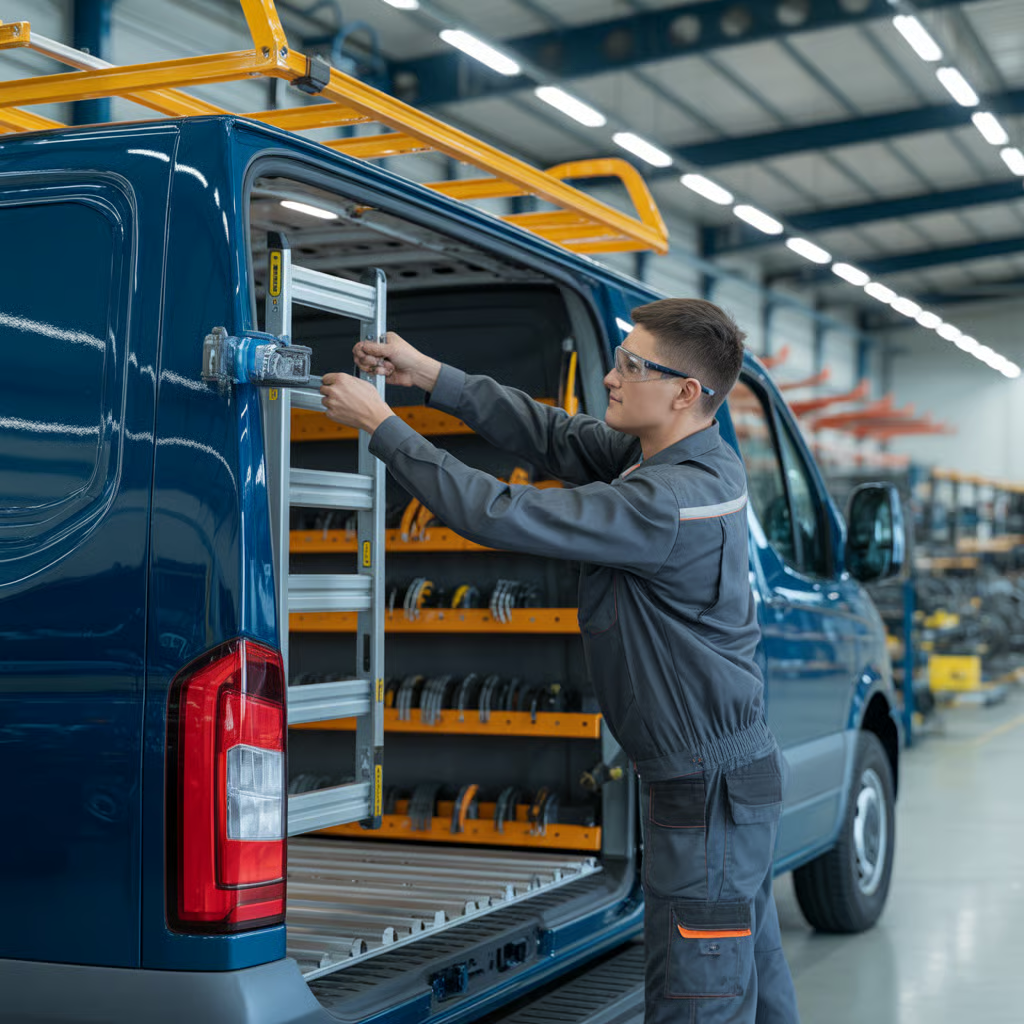
Work vehicles play an important role in industries such as construction, utilities, public safety, field services, and transportation. However, a standard vehicle does not always provide the equipment, storage, or technology employees need to complete their jobs efficiently. Poorly organized tools, inconvenient equipment placement, and inadequate communication systems can slow down daily operations. A properly configured vehicle helps employees carry the right equipment, access essential tools, and perform tasks more effectively.
Investing in vehicle upfitting in Grand Forks, ND allows businesses to adapt vehicles to their operational requirements. Depending on the application, an upfitting project can include storage systems, lighting, electrical accessories, communication equipment, safety components, and specialized installations. Understanding the planning process helps fleet managers select appropriate equipment, manage costs, and maintain vehicle safety without compromising functionality.
What Is Vehicle Upfitting?
Vehicle upfitting involves modifying a vehicle to support a particular job or business activity. The modifications depend on the vehicle type, intended use, payload capacity, and equipment requirements.
A service technician might need organized tool storage, an electrician might require secure compartments and work lighting, and a fleet vehicle used for field communications might need radios, antennas, and supporting electrical components.
Emergency and public safety vehicles have different requirements, often involving warning lights, sirens, specialized consoles, and communications systems installed according to applicable regulations.
The objective is to create a vehicle configuration that supports the work being performed while maintaining safe operation and serviceability.
Common Vehicle Upfitting SolutionsStorage and Organization Systems
Shelving, drawers, partitions, and secure compartments help keep equipment organized. Proper storage reduces time spent searching for tools and makes it easier to return items to designated locations.
Other common upfitting components include ladder racks for transporting ladders, toolboxes for securing equipment, bulkheads for separating the cab from the cargo area, and bed slides that provide easier access to tools and supplies stored in pickup truck beds.
Storage components should be selected according to the equipment being carried and the available interior space. Heavy items need secure mounting to prevent movement during sudden braking or collisions.
Communication Equipment
Businesses that rely on field coordination often need dependable communication systems. Depending on operational requirements, an installation might include mobile radios, antennas, hands-free equipment, and associated wiring.
Equipment placement should support convenient access without obstructing the driver’s view or interfering with vehicle controls.
Electrical systems must be designed to accommodate the power requirements of the installed devices.
Lighting and Electrical Accessories
Interior work lights help technicians locate tools and supplies in low-light conditions. Exterior work lights can improve visibility around a worksite when used appropriately.
Additional electrical accessories might include power outlets, charging stations, inverters, and auxiliary battery systems.
Before installation, evaluate the vehicle’s electrical capacity and the combined power requirements of all accessories. Incorrect wiring or inadequate circuit protection can create reliability and safety problems.
Safety and Visibility Equipment
Depending on the vehicle’s role, upfitting can include backup cameras, additional mirrors, warning lights, reflective markings, and other visibility or safety features.
The selected equipment should comply with applicable requirements and suit the operating environment.
Warning lights and sirens, in particular, are subject to restrictions that vary by vehicle type and jurisdiction. Confirm the applicable rules before installation. Also, verify whether proposed modifications affect the vehicle manufacturer’s warranty or require compliance with applicable federal vehicle safety and equipment requirements.
Planning an Upfitting Project
A successful project begins with a clear understanding of how the vehicle will be used.
Identify Operational Requirements
List the tasks employees perform, the tools they carry, and the technology needed to complete their work. Identify recurring problems with existing vehicles, such as limited storage, poor equipment access, or insufficient power capacity.
Input from drivers and technicians is especially valuable because they understand the practical demands of daily use.
Check Vehicle Compatibility
Not every accessory fits every vehicle. Confirm that the selected equipment is compatible with the vehicle’s make, model, configuration, electrical system, and available mounting locations.
Payload capacity is particularly important. Added equipment, tools, occupants, and cargo must remain within the vehicle’s rated gross vehicle weight rating (GVWR), which is typically listed on the certification label inside the driver’s door or door jamb.
Distribute weight appropriately and account for any effect on handling, braking, and suspension performance.
Develop a Realistic Budget
Upfitting costs vary with the equipment, installation complexity, wiring requirements, and vehicle modifications involved.
Your budget should account for equipment, mounting hardware, electrical components, labor, programming where applicable, and future maintenance. For fleet projects, also consider downtime and the scheduling of installations across multiple vehicles.
Downtime planning is especially important for businesses that depend on their vehicles for daily operations. Ask the provider for an estimated installation timeline for each vehicle and identify which vehicles must remain available for essential work. Scheduling installations in batches can help maintain fleet availability while allowing similar vehicles to receive consistent equipment configurations. Allow additional time for unexpected installation issues, testing, and final inspections before returning vehicles to service.
Why Local Operating Conditions Matter in Grand Forks
Grand Forks experiences cold winters, snow, ice, and seasonal temperature changes. These conditions make environmental suitability an important consideration when selecting vehicle accessories.
Equipment used outdoors should be rated for the conditions in which it will operate. Enclosures, connectors, wiring, and lighting should be selected according to their exposure to moisture, road salt, vibration, and temperature changes.
Cold weather can also affect battery performance. If a vehicle relies on multiple electrical accessories, assess the charging system and power demands to reduce the risk of electrical problems during winter operations.
Secure mounting and appropriate cable protection help maintain reliability when vehicles encounter rough roads and frequent vibration.
Choosing a Vehicle Upfitting Provider
Look for a provider experienced with your vehicle type and intended application. Ask about equipment compatibility, installation procedures, electrical integration, warranties, and post-installation testing.
Request a written proposal that identifies the selected components, labor, installation scope, and any vehicle modifications required.
Before accepting the vehicle, confirm that installed systems operate correctly, wiring is secured, controls are accessible, and no equipment interferes with seat belts, airbags, driver visibility, or vehicle controls.
For fleets, consistent equipment layouts across similar vehicles can simplify training, maintenance, and replacement planning. Coordinate installation schedules with the provider to minimize downtime and keep enough vehicles available to meet operational demands.
Conclusion: Equip Your Fleet for Better Performance
Vehicle upfitting helps businesses create work vehicles that support specific operational requirements. Well-planned storage, communication technology, lighting, and safety equipment can improve organization and help employees work more efficiently.
Start by documenting your fleet’s daily tasks, identifying equipment needs, and checking vehicle capacity. Then consult a qualified upfitting professional to develop a configuration that balances functionality, safety, durability, and cost.