What Your Water Is Telling You: Tackling Stains, Testing, and Long-Term Care
Most water problems don’t arrive with a dramatic warning. There isn’t usually a flashing light on the kitchen faucet telling you something has changed. Instead, the clues tend to show up quietly: a reddish ring around the toilet, a metallic taste in a glass of water, spots on freshly washed laundry, or an appliance that doesn’t seem to work quite as efficiently as it once did.
These signs are easy to ignore, especially when life is busy. But water quality can affect much more than appearance. The right response isn’t necessarily to rush out and buy a complicated treatment system. First, it’s worth understanding what’s causing the problem.
Those Rust-Colored Stains Have a Story
Few things make a bathroom look dirty faster than orange or reddish-brown marks around a sink or toilet. Scrubbing may remove them temporarily, but if they keep coming back, there’s probably more going on than a cleaning problem.
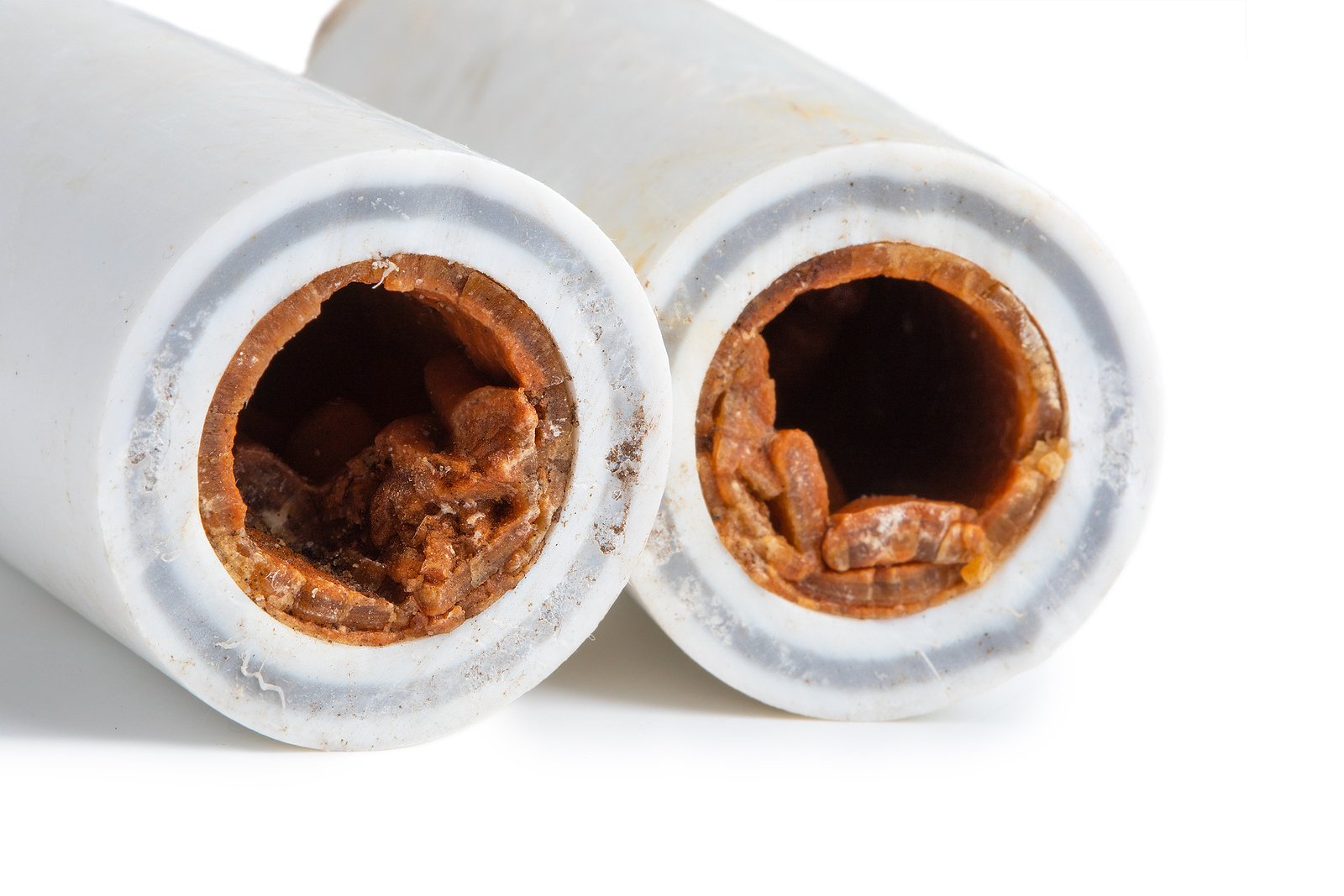
iron & rust stains are commonly associated with iron in the water. Depending on the chemistry, iron may be dissolved in the water and become visible only after exposure to air, or it may already be present as particles. Either way, it can leave stubborn deposits on fixtures, clothing, tubs, and other surfaces.
The tricky part is that ordinary household cleaners may only deal with the symptom. If iron continues entering the home through the water supply, the stains will eventually return.
That’s why identifying the source matters.
Testing Gives You a Better Picture
When water looks perfectly clear, it’s tempting to assume everything is fine. Unfortunately, appearance doesn’t tell the whole story. Many dissolved substances can’t be seen with the naked eye.
water testing & analysis can help identify characteristics such as hardness, pH, iron, manganese, chlorine, and other potential concerns. The appropriate test depends on where your water comes from and what problems you’re experiencing.
For homeowners with private wells, regular testing can be especially useful because groundwater conditions can change. Municipal water users may also benefit from testing when they notice an unusual taste, odor, color, or other change.
Think of testing as getting a diagnosis before choosing a treatment. You wouldn’t replace a car’s entire engine because it made one strange noise without checking what caused it. Water treatment deserves a similar level of common sense.
Not All Iron Problems Are the Same
Iron can exist in different forms, and that difference affects treatment.
Dissolved iron may make water appear clear when it comes from the faucet but turn orange or brown after sitting for a while. Other forms can produce visible particles or sediment immediately.
There may also be manganese or sulfur-related issues occurring alongside iron, which can complicate the situation further.
This is why an installer should ideally understand the water chemistry before recommending equipment. A basic sediment filter may catch visible particles but do little for dissolved iron. A specialized iron filtration system may be much more appropriate in another situation.
The goal isn’t to buy the strongest-looking filter. It’s to select equipment that matches the chemistry of the water.
Why Stains Can Become More Than a Cosmetic Annoyance
At first, rust-colored staining may seem like nothing more than an ugly bathroom problem. But repeated mineral deposits can affect fixtures and appliances over time.
Iron can discolor laundry and create extra cleaning work. It may also contribute to deposits in plumbing components under certain conditions. And let’s be honest, nobody enjoys washing a white shirt only to discover mysterious orange marks afterward.
For homeowners who have spent years fighting recurring stains, treating the water at the source can be far more practical than constantly cleaning the surfaces it touches.
It also changes the conversation from “How do I remove this stain?” to “Why does this stain keep appearing?”
That second question is usually the more useful one.
Prevention Is Easier Than Repeated Repairs
Water-treatment equipment isn’t completely hands-off. Like any household system, it needs attention.
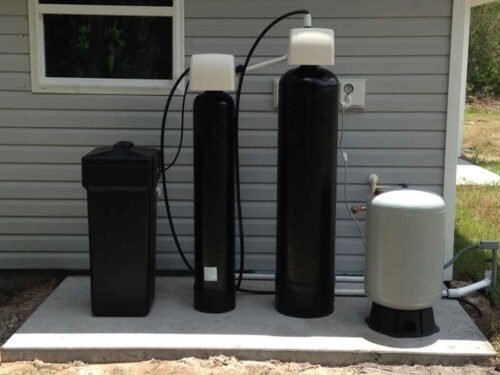
preventative maintenance helps keep filters, valves, tanks, pumps, and other components working as intended. Depending on the system, maintenance might include changing filter media, checking settings, inspecting connections, cleaning components, or testing treated water.
The exact schedule varies. Some filters need attention every few months, while other systems can go longer between service visits. Following the manufacturer’s recommendations is a good baseline, but local water conditions and household usage can influence the actual workload.
A neglected system can slowly lose efficiency without making much noise about it. By the time performance becomes obvious, the equipment may already be overdue for service.
Your Water Treatment System Needs the Right Size
One of the less glamorous parts of choosing treatment equipment is sizing. Yet it matters.
A system must be capable of handling the household’s water demand. A small household may have modest requirements, while a larger family can easily use several fixtures at once.
Flow rate becomes important here. If a treatment system is undersized, it may restrict water flow or fail to perform adequately during periods of high demand.
Installation conditions matter as well. Available space, plumbing configuration, water pressure, drainage, and electrical requirements can all affect the final setup.
A professional assessment can uncover these details before equipment is installed, which is much easier than discovering a problem after the fact.
Don’t Forget About the Water Heater
Water quality and water heating are more connected than many homeowners realize.
Hard water can contribute to mineral scale inside water-heating equipment. Sediment and certain dissolved minerals can also affect how plumbing systems behave over time.
If your water heater seems to be working harder, making unusual noises, or requiring frequent attention, water quality may be one factor worth investigating alongside normal mechanical causes.
This doesn’t mean water treatment will solve every water-heater problem. It simply means the quality of the incoming water is part of the bigger household picture.
Regular Checks Can Catch Small Problems Early
There is something reassuring about knowing what is happening with your water. You don’t have to obsess over it, but occasional checks can prevent surprises.
Keep track of when filters were changed. Notice whether staining suddenly becomes worse. Pay attention to changes in taste, odor, or pressure. If the water comes from a private well, follow appropriate testing recommendations for your area.
And if treatment equipment has an alarm, display, or indicator, don’t ignore it. Those little signals exist for a reason.
Small maintenance tasks are generally easier and cheaper than emergency repairs.
Look Beyond the Equipment
A water treatment system is only one part of the solution. Good results also depend on proper installation, correct settings, appropriate maintenance, and understanding what the equipment is actually designed to do.
Before purchasing anything, ask clear questions. What problem is the system intended to address? How often will it need service? What happens when the filter or treatment media reaches its capacity? Are replacement components readily available?
A trustworthy professional should be able to answer these questions without making the conversation unnecessarily complicated.
Better Water Starts With Understanding
Recurring stains, unusual smells, or changing water quality can be frustrating, but they can also be useful clues. Instead of treating each symptom separately, take a step back and look at the water as a whole.
Testing can reveal what’s actually present. Appropriate treatment can address the underlying issue. Regular maintenance can help the equipment continue doing its job.
That approach may not be as exciting as buying the newest piece of technology, but it’s much more sensible. Water quality is a long-term part of home ownership, after all.
Once you know what’s in your water and why it’s causing trouble, the path forward becomes clearer. And sometimes, solving a problem that you’ve been scrubbing, worrying about, and putting off for years starts with something as simple as asking the right question.