When Your Home Exterior Needs Attention: Repair, Replacement, and Smart Maintenance
A home rarely wakes up one morning and announces that it needs work. Exterior problems tend to arrive quietly. A few shingles look out of place. Paint begins peeling around a window. A room feels drafty. After a hard rain, there’s a stain on the ceiling that definitely wasn’t there last month.
It’s tempting to ignore these things, especially when everything else in the house seems fine. But exterior components are constantly exposed to weather, and small weaknesses can become much more expensive when they’re left alone for too long.
The good news is that not every problem calls for a major renovation. Sometimes a simple repair is enough. Other times, replacement is the more sensible long-term choice. Understanding the difference can help homeowners spend their money where it matters.
Start With the Roof
The roof deserves attention because it protects nearly everything underneath it. Rain, wind, sunlight, hail, falling branches, and temperature changes gradually wear down roofing materials.
Visible damage is an obvious warning sign, but there are quieter clues too. Dark stains on ceilings, damp attic insulation, missing granules, damaged flashing, and unexplained moisture can all point toward a roofing issue.
Professional roof repair can address localized problems before they spread. A damaged shingle, loose flashing detail, or small leak may not require replacement of the entire roof. The important part is finding the actual source of the problem instead of simply covering the visible symptom.
After major storms, it’s especially wise to inspect the property. Wind can loosen materials without completely removing them, while hail may leave damage that’s difficult to notice from the ground.
Know When a Repair Isn’t Enough
Repairs are useful, but they aren’t magic.
If a roof has widespread deterioration, repeated leaks, extensive structural damage, or materials that are simply reaching the end of their useful life, continuing to patch individual areas may become frustrating and expensive.
The same principle applies to other parts of the exterior. If one section of siding is damaged, replacing that section may make sense. If moisture has affected large areas behind the siding, however, the problem requires a more comprehensive assessment.
The goal isn’t to avoid replacement at all costs. It’s to make sure replacement is actually necessary.
A reputable professional should be able to explain what is failing, why it’s failing, and what options are available.
Siding Protects More Than Appearance
Siding gives a home much of its personality, but its practical job is just as important.
It helps shield exterior walls from rain, wind, sunlight, and everyday exposure. Cracked, warped, loose, or deteriorated siding can create opportunities for moisture to get behind the exterior surface.
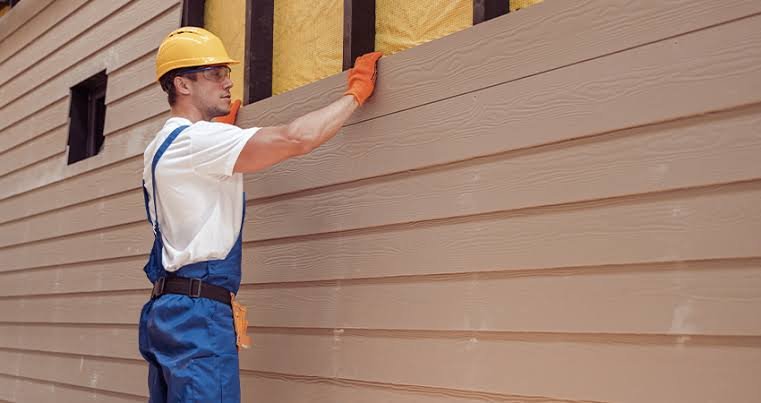
When new materials are being installed, proper siding installation matters enormously. The work should account for moisture management, flashing, fastening, trim, corners, and openings around doors and windows.
Choosing the material also requires some thought. Vinyl, fiber cement, engineered wood, and other options each have different maintenance requirements and performance characteristics.
Don’t choose solely because something looks good in a showroom. Consider how it will perform on your particular house and how much maintenance you’re realistically willing to do.
Windows Can Reveal Hidden Problems
Windows are another area where small issues can become noticeable over time.
A draft near the frame, condensation between panes, peeling finishes, difficult operation, or moisture around the opening may indicate that something needs attention. The cause isn’t always the window itself, though.
Flashing, surrounding siding, sealants, and drainage can all influence how an opening performs.
If the unit itself is damaged or seriously outdated, window replacement may provide better insulation, improved operation, and a cleaner appearance. But homeowners shouldn’t assume that every draft requires new windows. Weatherstripping, hardware repairs, or resealing may solve the problem in some situations.
An inspection can help separate a repairable issue from a genuine replacement need.
Water Is Often the Common Thread
If there is one thing worth taking seriously around a house, it’s unwanted water.
Water can enter through tiny gaps and travel behind materials before appearing somewhere completely different. A ceiling stain near an exterior wall, for example, might be caused by a roof detail several feet away.
Gutters, downspouts, flashing, siding, windows, and roofing materials all influence how rain moves around the structure.
This is why exterior problems shouldn’t always be treated as isolated incidents. If one component is showing signs of moisture damage, take a moment to inspect the areas around it.
Sometimes the visible damage is simply the final stop in a much longer journey.
Look at the Attic, Too
Homeowners often focus on what they can see from outside, but the attic can tell an important part of the story.
Poor ventilation and excess moisture can contribute to deterioration over time. Signs may include damp insulation, musty odors, staining, condensation, or unusually high temperatures during hot weather.
Ventilation should be appropriate for the building and roofing system. Adding vents without understanding how air moves through the attic isn’t necessarily a solution.
If you’re already dealing with roofing work, it’s worth asking whether attic ventilation should be evaluated at the same time.
Maintenance Can Delay Expensive Problems
Routine maintenance isn’t exciting. Nobody wakes up excited to clean gutters or inspect exterior caulking.
Still, these simple tasks can make a real difference.
Keep drainage systems clear. Check visible exterior materials after severe weather. Look for damaged seals around openings. Trim branches that could fall onto the roof. Pay attention to changes rather than waiting for something to become obviously broken.
The earlier a problem is noticed, the more options you generally have.
A homeowner who catches a small leak has a different set of choices from someone who discovers widespread water damage months later.
Don’t Forget Energy Efficiency
Exterior repairs can also affect comfort inside the house.
Drafts, poorly sealed openings, inadequate insulation, and certain ventilation problems may make rooms harder to heat or cool. If one area of the home always feels uncomfortable, investigate before simply turning up the thermostat.
Replacing a failing component may improve comfort, but it isn’t always the answer. Air sealing, insulation improvements, or ventilation adjustments may be more appropriate depending on the situation.
Think about the building as a system rather than a collection of unrelated parts.
Choose Contractors With Care
Exterior projects can involve significant costs, so don’t be afraid to ask questions.
A professional should explain the problem in understandable language and provide enough detail for you to make an informed decision. Ask about materials, warranties, installation methods, expected maintenance, and what happens if hidden damage is discovered.
Written estimates are useful because they make it easier to compare proposals. Be cautious of unusually low quotes that don’t clearly explain what is included.
And if someone insists that you must sign immediately because “the price is only good today,” take a step back. Quality work rarely requires that kind of pressure.
Think About Timing
Exterior work is easier to manage when it is planned instead of forced by an emergency.
If you know the roof is aging, start researching options before it develops a serious leak. If siding is showing widespread deterioration, investigate while the underlying structure is still protected. If windows are becoming difficult to operate, don’t necessarily wait until one stops opening completely.
Planning gives you time to compare materials, contractors, costs, and schedules.
It also makes budgeting less stressful.
The Best Maintenance Strategy Is a Sensible One
A home doesn’t need to be constantly renovated. It needs to be understood.
Know which exterior components are aging. Keep drainage working. Pay attention to leaks and drafts. Repair small problems when practical, but don’t keep repairing a system that has clearly reached the end of its useful life.
Most importantly, don’t make decisions based solely on appearance.
A fresh exterior is nice, but protection and performance come first. When those fundamentals are handled properly, the cosmetic improvements tend to feel more worthwhile too.
In the end, good home maintenance is less about preventing every possible problem and more about staying one step ahead of the obvious ones. A little attention today can mean fewer surprises tomorrow—and when it comes to owning a home, that peace of mind is worth quite a lot.