Why Commercial Water Treatment Systems Matter for Modern Businesses
Water plays a bigger role in business operations than most people realize. It’s used in manufacturing, food preparation, hospitality, healthcare, cleaning, cooling, and countless everyday processes. Yet when water quality problems appear, they can quietly affect equipment, increase operating costs, and create unnecessary maintenance headaches.
For businesses that depend on a reliable water supply, investing in the right treatment system isn’t simply about improving water quality. It’s about protecting operations, meeting industry requirements, and creating a more dependable workplace. The right approach depends on the business, its water source, and what the water needs to be used for.
Understanding the Impact of Water Quality
Commercial water can contain minerals, sediment, chlorine, microorganisms, and other unwanted substances. The exact concerns vary by location and supply source, but even water that looks clean may create problems over time.
Hard water, for example, contains elevated levels of calcium and magnesium. These minerals can leave scale inside pipes, boilers, heaters, dishwashers, and other equipment. In a restaurant or hotel, that buildup may reduce efficiency and increase repair needs. In an industrial setting, it can interfere with production processes and shorten equipment life.
Other concerns, such as unpleasant tastes, odors, suspended particles, or specific contaminants, may require a different treatment strategy. That’s why businesses should avoid choosing a system based only on price or appearance. A proper water assessment is a much more useful starting point.
Managing Hard Water in Commercial Facilities
Hard water is a common concern for businesses that use large volumes of water every day. Scale buildup can affect water heaters, laundry equipment, kitchen appliances, and plumbing fixtures. Over time, these deposits may force equipment to work harder, increasing energy use and maintenance costs.
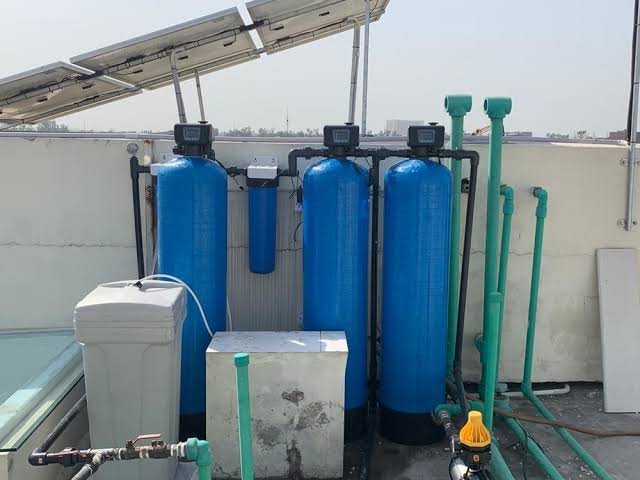
Commercial water softeners are designed to reduce hardness minerals through an ion-exchange process. In a typical system, calcium and magnesium are exchanged for sodium or potassium ions, helping prevent scale from forming throughout the water system.
The right softener depends on factors such as water hardness, daily consumption, peak demand, and the number of fixtures or appliances being served. A small office and a busy hotel have very different requirements. Choosing the correct capacity helps prevent inconsistent performance and unnecessary regeneration cycles.
When Reverse Osmosis Makes Sense
Some businesses need more than softened water. Industries such as food and beverage production, laboratories, healthcare facilities, and certain manufacturing operations may require water with significantly reduced dissolved solids.
Commercial reverse osmosis systems use pressure to push water through a semipermeable membrane. The membrane helps separate many dissolved salts, minerals, and other impurities from the treated water. Depending on the system design and pretreatment, reverse osmosis can produce water suitable for applications where higher purity is important.
However, reverse osmosis isn’t automatically the best choice for every business. These systems require appropriate pretreatment, regular monitoring, and membrane maintenance. They also produce a reject-water stream, which businesses should consider when planning water usage and operating costs.
A professional assessment can determine whether RO is necessary, whether it should be paired with softening, or whether another treatment method would be more practical.
Choosing Filtration for Specific Needs
Filtration is often the first line of defense in a commercial water treatment setup. Depending on the filter type, it can reduce sediment, chlorine, unpleasant odors, and certain other contaminants. Filtration can also protect downstream equipment by removing particles before they reach sensitive components.
Modern commercial filtration solutions can be designed for different applications, from general-purpose facility water to specialized process water. Sediment filters, carbon filters, multimedia systems, and specialized media each serve different purposes. Selecting the right option requires understanding what is actually present in the water.
For instance, a carbon filter may be useful for reducing chlorine and improving taste, while a sediment filter is better suited to capturing suspended particles. Neither should be treated as a universal solution. Water testing helps identify which contaminants need attention and which technologies are appropriate.
Designing a System Around Business Operations
A commercial treatment system should fit the way a business operates. Water demand may change throughout the day, with busy periods placing greater pressure on the system. A restaurant may experience high demand during meal preparation and cleaning, while a hotel may see significant usage in the mornings and evenings.
System sizing should account for flow rate, storage capacity, pressure requirements, and peak usage. Undersizing can lead to poor performance during busy periods. Oversizing, on the other hand, may increase upfront costs without providing meaningful benefits.
Businesses should also consider available installation space, drainage, electrical requirements, and access for servicing. A system that performs well technically but is difficult to maintain can become a long-term inconvenience.
Maintenance Is Part of the Investment
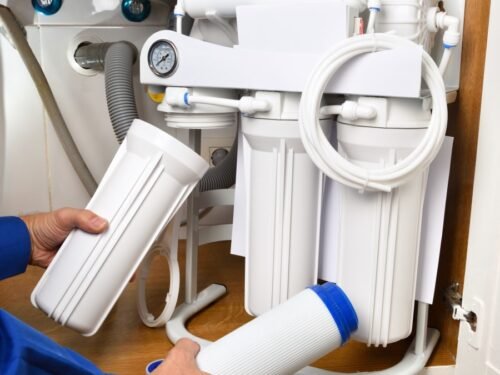
Even a well-designed water treatment system needs regular care. Filters must be replaced, softeners may require salt or potassium replenishment, and RO membranes need monitoring and cleaning when necessary. Neglecting maintenance can reduce water quality and place additional strain on equipment.
A maintenance schedule should be based on water conditions, system usage, manufacturer recommendations, and performance data. Businesses may also benefit from routine water testing to confirm that the system continues to meet operational requirements.
It’s worth remembering that maintenance is usually less disruptive than an unexpected equipment failure. Small, planned service tasks can help prevent larger operational problems later.
Supporting Efficiency and Long-Term Value
Water treatment can contribute to operational efficiency in several ways. Reducing scale may help equipment operate more effectively. Better filtration can protect plumbing and appliances from sediment. Higher-purity water may support specialized processes and reduce quality-related issues.
The financial benefits depend on the business and the system, so claims of guaranteed savings should be treated carefully. Still, when treatment is properly matched to actual water problems, it can help reduce avoidable maintenance, extend equipment service life, and support more consistent operations.
There may also be environmental considerations. Efficient systems, responsible reject-water management, and properly selected treatment technologies can help businesses use resources more thoughtfully. The goal isn’t simply to install more equipment—it’s to use the right equipment for the right purpose.
Making a Practical Decision
Before purchasing a commercial water treatment system, businesses should begin with water testing and a review of their operational needs. Important questions include:
- What contaminants or water-quality concerns are present?
- How much water does the facility use each day?
- What is the peak flow requirement?
- Which equipment or processes need treated water?
- How much maintenance can the business reasonably manage?
- Are installation, drainage, and ongoing service requirements understood?
Working with an experienced water treatment professional can make the process easier. A qualified provider can recommend a system based on actual conditions rather than relying on a generic package.
Ultimately, commercial water treatment is about more than cleaner water. It’s about creating a dependable foundation for daily business operations. With proper testing, thoughtful system design, and consistent maintenance, businesses can protect equipment, support efficiency, and make water quality one less thing to worry about.