Why the Right Plumbing Approach Starts With Your Home, Not a Generic Checklist
Plumbing is one of those things you notice most when it stops working properly. A shower suddenly loses pressure. The kitchen sink takes forever to drain. A toilet keeps running in the middle of the night. Then there are the bigger moments, like discovering water spreading across the laundry room floor when you least expected it.
Most homeowners don’t think about their plumbing system every day, and honestly, that’s how it should be. A well-functioning system is supposed to work quietly in the background. But when something does go wrong, having the right approach can make the difference between a quick fix and a much larger headache.
Good plumbing isn’t simply about replacing broken parts. It’s about understanding the property, the age of the system, the way the household uses water, and what could become a problem later.
Every Home Has Its Own Plumbing Story
Two houses can look nearly identical from the outside and still have completely different plumbing needs.
One may have newer PEX piping, updated fixtures, and a recently installed water heater. Another might have aging pipes, inconsistent water pressure, older valves, and years of mineral buildup hidden behind walls.
That’s why plumbing solutions tailored to you can be more useful than a standard package of services. A thoughtful plumbing assessment considers what’s actually happening in your home rather than assuming every property has the same problem.
For example, a homeowner dealing with frequent drain blockages may need a deeper inspection instead of another round of chemical drain cleaner. Someone experiencing low water pressure throughout the house may need the supply system checked rather than simply replacing one faucet.
The goal isn’t to do more work. It’s to do the right work.
Small Problems Have a Habit of Growing
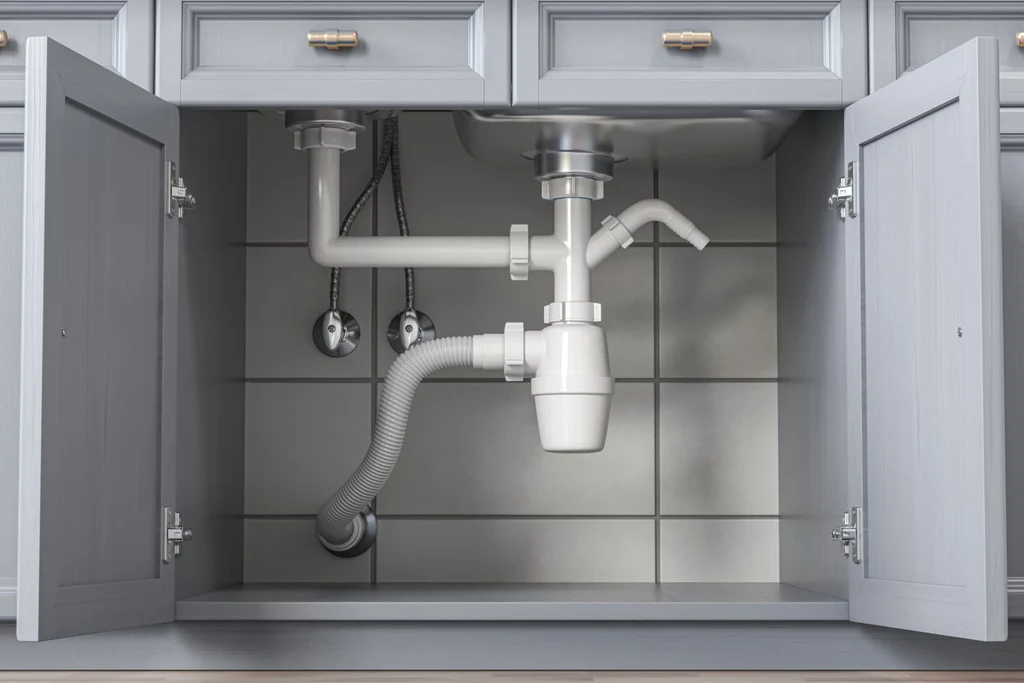
A dripping faucet is annoying. A leaking pipe inside a cabinet can be much worse.
Water damage doesn’t always announce itself. Sometimes it starts as a tiny stain beneath a sink or a faint musty smell near a wall. Over time, moisture can damage wood, flooring, insulation, drywall, and other materials.
This is why homeowners shouldn’t dismiss recurring moisture as “just a little leak.”
The same applies to toilets. A toilet that runs periodically may waste water day after day. A loose connection around a supply line can eventually become a serious leak. Even slow drains deserve attention when the problem keeps returning.
Fixing a minor issue early isn’t always exciting, but it is usually less disruptive than dealing with the aftermath.
What Complete Plumbing Care Actually Looks Like
When people hear the phrase complete plumbing solutions, they may picture a long list of services. In reality, the more important part is coordination.
A home’s plumbing components are connected. Water supply lines, drains, fixtures, water heaters, shutoff valves, and sewer connections all influence one another.
A good plumbing service should be able to look at the system as a whole while still focusing on the immediate problem.
That might involve diagnosing a leak, repairing a faucet, replacing a water heater, clearing a stubborn drain, inspecting sewer lines, or installing new plumbing during a renovation. The specific task changes, but the underlying goal stays the same: restore reliable performance and reduce the chances of the same issue returning.
This broader perspective is especially useful during remodeling. Moving a sink or adding a bathroom isn’t simply a matter of connecting a few pipes. Drainage, venting, water pressure, pipe sizing, access, and local requirements all need to be considered.
Emergency Plumbing Requires a Calm Response
Plumbing emergencies have a way of happening at the worst possible time. Friday night. Holiday morning. Right before guests arrive.
A burst pipe or major leak can release a tremendous amount of water in a short period. In those situations, waiting until Monday isn’t a great strategy.
Professional emergency repairs are intended to stabilize the situation quickly and prevent further damage. But homeowners can also take a few immediate steps.
If it’s safe to do so, shut off the main water supply or the local fixture valve. Move valuables and electrical equipment away from standing water. Avoid using affected plumbing fixtures. If water has reached electrical components, don’t take unnecessary risks—contact the appropriate professional.
The priority isn’t making a perfect repair in the first hour. It’s stopping the damage from getting worse.
Water Heaters Deserve More Attention
The water heater is often forgotten until the shower turns cold.
Yet warning signs can appear earlier. Strange popping sounds, inconsistent water temperatures, rusty-looking water, visible corrosion, moisture around the unit, or repeated problems with hot-water availability can all justify an inspection.
Tank-style heaters can accumulate sediment over time. Tankless models have their own maintenance needs, including possible descaling depending on water quality.
If a water heater is approaching the end of its expected service life, it can also be worth planning a replacement before a complete failure occurs. Nobody enjoys discovering they need a new water heater because there’s suddenly water all over the floor.
Drains Tell You More Than You Think
A slow drain is often treated as an inconvenience rather than information.
But recurring blockages can indicate something deeper. There could be grease buildup, accumulated debris, tree-root intrusion, damaged piping, or an issue farther along the drainage system.
Pouring stronger and stronger chemical cleaners down the drain isn’t always the answer. In fact, aggressive chemicals can create their own problems and may damage certain plumbing components.
Mechanical cleaning, camera inspection, or other professional diagnostic methods may be more appropriate when a blockage keeps returning.
The key is to pay attention to patterns. One slow drain may be ordinary household buildup. Several slow drains appearing around the same time could suggest a larger drainage issue.
Prevention Doesn’t Have to Be Complicated
Plumbing maintenance isn’t necessarily a huge project.
Check exposed pipes occasionally. Look underneath cabinets for moisture. Make sure shutoff valves aren’t seized. Pay attention to unusual water bills. Don’t flush items that aren’t meant for the toilet. Avoid sending grease and inappropriate waste down kitchen drains.
If you have an older home, periodic professional inspections can also uncover issues that aren’t visible from the outside.
And keep track of repairs. Knowing when the water heater was installed, when major pipes were replaced, or when a sewer line was last inspected gives you useful information when planning future work.
Good Plumbing Is About More Than Fixing Things
The best plumbing service isn’t necessarily the company that promises the biggest list of services or the fastest sales pitch. It’s the one that takes time to understand the problem and explains what needs to happen next.
A thoughtful repair can solve today’s issue while also reducing the chances of tomorrow’s emergency. That’s valuable because plumbing problems rarely arrive at convenient times.
Your home doesn’t need a generic solution. It needs a practical one that fits its age, layout, water usage, existing equipment, and your budget.
In the end, reliable plumbing is mostly about preparation and attention. Catch the small warning signs. Maintain the important equipment. Get professional help when a problem moves beyond a simple fix. And when something does go wrong, respond quickly rather than hoping it disappears.
Water has patience. Plumbing problems don’t always do.