Why Understanding Your Home’s Water Quality Is Worth the Effort
Water is easy to take for granted. You turn on the kitchen faucet, fill a glass, and get on with your day. Yet, when the water starts tasting strange, leaves stains on the bathroom fixtures, or develops an unusual smell, it becomes clear how much we rely on it. Good water quality affects far more than drinking. It influences cooking, bathing, cleaning, laundry, and the condition of the plumbing throughout your home.
Many homeowners assume that water that looks clear must be perfectly fine. While appearance can offer useful clues, it doesn’t reveal everything. Some water-quality concerns are invisible, and others may be connected to the source, treatment process, or plumbing system. Learning how to identify potential issues is a sensible first step toward making better decisions for your household.
What Can Affect Water Quality at Home?
Water quality depends on several factors, including where the water comes from and how it reaches your property. Municipal water is treated and monitored through public systems, while private well water depends more heavily on local groundwater conditions and individual testing.
Naturally occurring minerals can affect taste, hardness, and the appearance of fixtures. Sediment may enter water through supply lines or well systems. Disinfectants used in public water supplies can sometimes create a noticeable taste or odor. In other cases, changes in plumbing or environmental conditions may contribute to concerns.
Not every unusual change means there’s an emergency, but it shouldn’t automatically be dismissed either. If water suddenly looks cloudy, smells different, or develops a metallic taste, it’s worth investigating rather than assuming the issue will disappear on its own.
Why Bacteria Testing Matters
For private well owners especially, bacteria is an important part of water-quality discussions. Certain microorganisms can enter groundwater through environmental contamination, damaged well components, flooding, or problems with nearby septic systems. Some bacterial contamination may not create any visible change in the water.
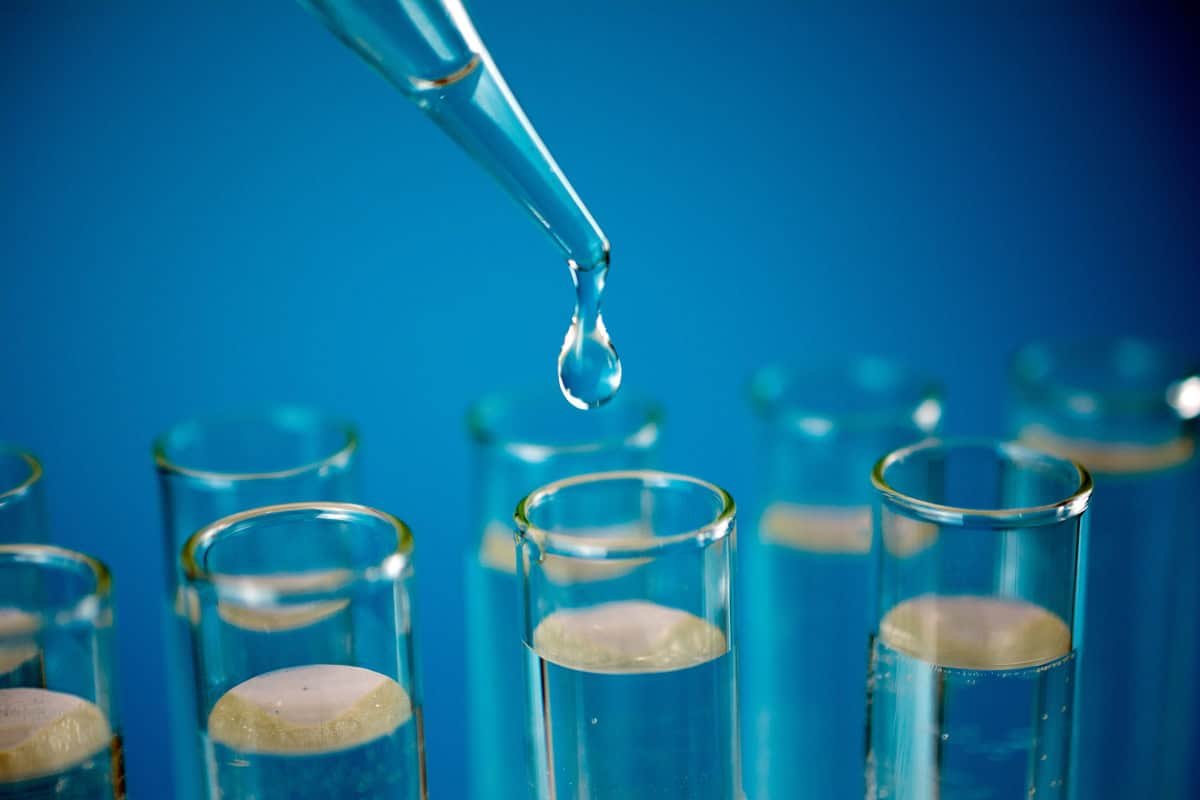
Testing is the most reliable way to determine whether a microbial concern is present. A certified laboratory can analyze a water sample for indicators such as coliform bacteria and, when appropriate, E. coli. These tests can help identify whether further investigation or treatment is needed.
If a well has recently flooded, undergone repairs, or shown a sudden change in water quality, testing may be especially important. Homeowners should follow local health guidance when contamination is suspected, particularly if the water is used for drinking, cooking, or preparing food.
It’s also worth remembering that different treatment systems address different problems. A filter designed to improve taste may not provide microbial disinfection. If bacteria is the concern, the treatment method must be selected specifically for that purpose.
The Value of a Free Water Test
For homeowners who aren’t sure where to begin, a free water test can be a convenient first step. Depending on the provider, this may involve an on-site screening, a basic assessment, or a sample collection process designed to identify common water characteristics.
A free test can help reveal concerns such as hardness, iron, chlorine, pH, or other indicators. However, homeowners should ask what the test actually measures. A basic screening isn’t necessarily the same as a comprehensive laboratory analysis, and it may not detect every contaminant.
Before agreeing to any treatment recommendation, ask for the test results in writing and clarify what they mean. A reputable provider should explain the findings without using confusing technical language or making exaggerated claims. If a serious health-related concern is suspected, independent laboratory testing may be appropriate.
The purpose of testing should be understanding—not simply creating pressure to purchase equipment.
Why Professional Installation Makes a Difference
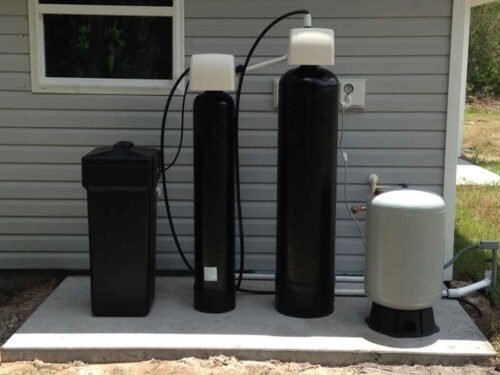
Even a high-quality treatment system may not perform as expected if it is installed incorrectly. That’s where expert installation can be valuable. Professional installers can assess water flow, plumbing connections, available space, drainage requirements, and the equipment’s operating needs before putting the system into service.
For example, a water softener may need a suitable drain connection and an appropriate location for salt storage. A reverse osmosis system may require correct tubing, pressure conditions, and filter configuration. Whole-home filtration equipment must be sized and installed in a way that supports household water demand.
Installation isn’t only about connecting pipes. It also involves checking for leaks, confirming that settings are correct, and making sure the system is safe and practical to maintain. Poor installation can lead to low pressure, premature wear, water waste, or inconsistent treatment results.
Homeowners should also ask whether the installation includes system testing, an explanation of operating instructions, and guidance on future maintenance.
Choosing Treatment Based on Real Needs
There is no single water-treatment solution that works for every home. A household with hard water may benefit from a softener, while a family concerned about chlorine taste may prefer carbon filtration. Homes with specific contaminants may require specialized equipment, and private wells may need a combination of treatment methods.
The right choice begins with identifying the actual issue. A water test, review of the water source, and discussion of household priorities can help narrow the options. Consider whether you want to improve drinking water, treat every fixture, protect appliances, or address a specific safety concern.
It’s also important to understand the limits of any system. Ask what it removes, what it reduces, and what it doesn’t address. Look for performance information and relevant certifications where available, rather than relying only on broad marketing language.
Maintenance Keeps the System Working
Water treatment equipment needs regular attention. Filters must be replaced, softeners may need salt and servicing, and disinfection systems require maintenance according to manufacturer instructions. Ignoring these tasks can reduce performance and increase operating costs.
Before purchasing, ask about replacement schedules, ongoing expenses, warranty coverage, and service availability. A system that fits your budget today should also be manageable several years from now.
For well owners, periodic water testing remains important even after treatment equipment is installed. Groundwater conditions can change, and a system that addresses one concern may not address a new one.
A Practical Step Toward Better Water
Understanding your home’s water quality doesn’t have to be complicated. Start with the basics: identify changes, learn about your water source, arrange appropriate testing, and seek clear explanations before choosing treatment equipment.
Whether you’re dealing with mineral buildup, an unpleasant taste, or concerns about well-water safety, informed decisions are more useful than quick fixes. With accurate testing, suitable equipment, and proper installation, homeowners can improve their water experience while taking better care of the systems that support everyday life.
Good water quality isn’t just a technical matter. It’s part of a comfortable, well-maintained home—and it’s worth understanding what comes out of your tap.