How to Mix Traditional and Modern Design Styles at Home
Introduction
You don’t have to choose between a fully traditional home and a fully modern one. Some of the most striking spaces I’ve seen actually blend both — pulling from current modern interior design styles while keeping meaningful traditional elements intact. It takes a bit of balance, but the result feels far more personal than picking one style wholesale.
Start With a Modern Base, Then Layer Tradition In
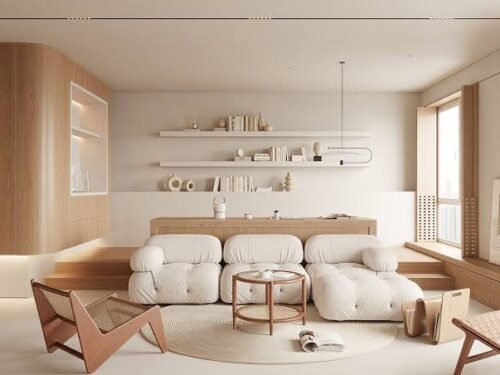
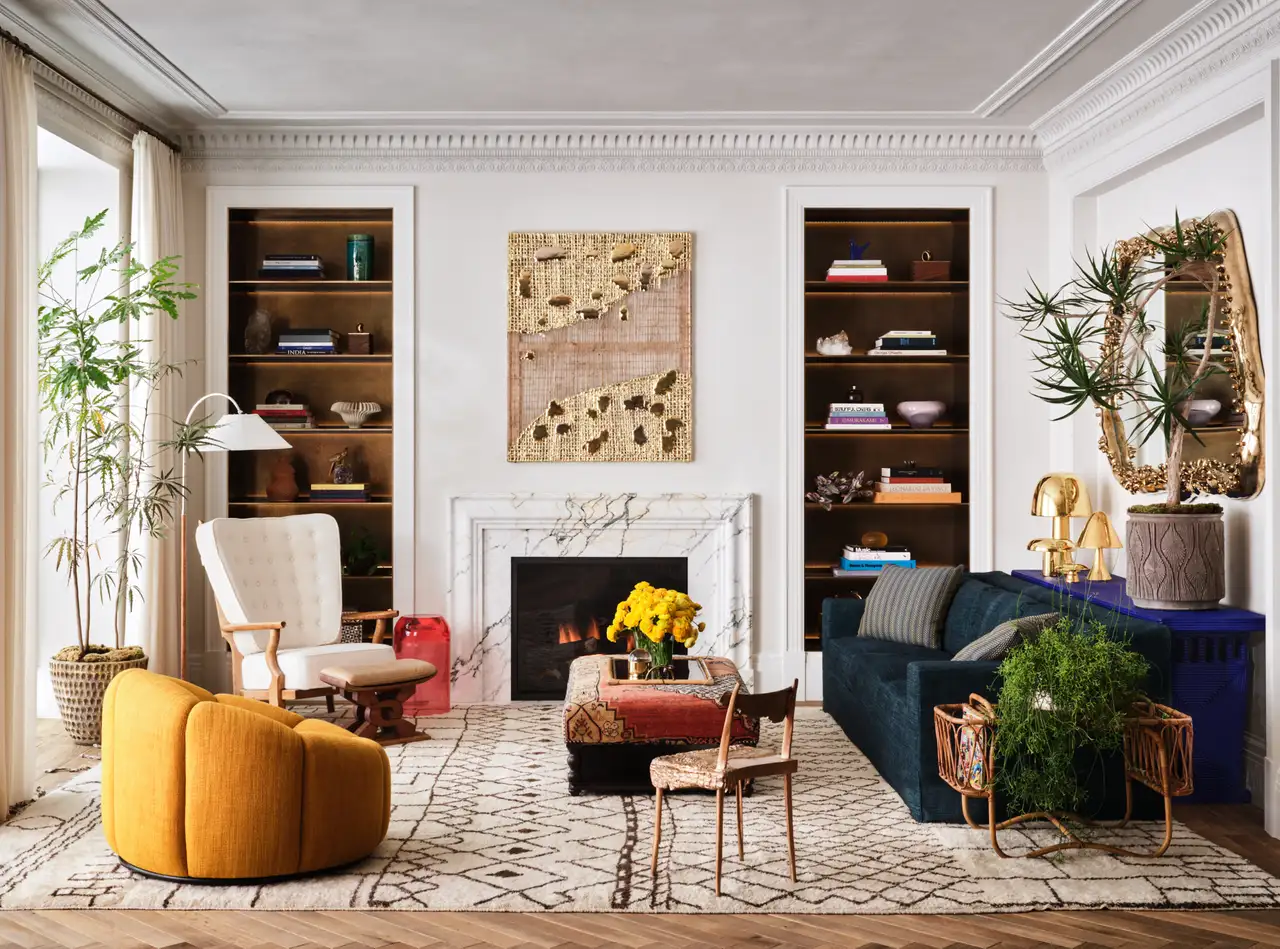
Quick answer: The easiest way to combine modern interior design styles with traditional elements is to keep large furniture and wall colors modern and minimal, then introduce traditional pieces through accessories, textiles, and art.
Furniture: Keep Structure Modern, Detailing Traditional
- Choose clean-lined sofas and tables as the base furniture
- Add traditional wood carving or brass detailing through smaller accent pieces
- A single traditional statement chair works better than an entirely traditional furniture set
Textiles Are the Easiest Entry Point
Traditional textiles — ikat, block print, or bandhani cushions and throws — blend beautifully into an otherwise modern room without overwhelming the space.
I’ve found this is genuinely the easiest starting point for anyone unsure how to begin mixing styles — it’s low-commitment and easy to change later.
Art and Wall Decor as Cultural Anchors
A traditional painting or handcrafted wall hanging against a plain modern wall creates real visual interest, acting almost like a focal point rather than clutter. [link to related guide about interior paint color trends here]
Lighting Bridges Both Worlds Well
Traditional brass or jaali-style lighting fixtures pair surprisingly well with otherwise minimal, modern rooms, adding warmth without looking out of place.
Balance Is About Ratio, Not Rules
Aim for roughly 70% modern base with 30% traditional accents, or vice versa depending on your preference — the key is not splitting it evenly, which tends to look disjointed rather than intentional.
Ever seen a room that felt like two different houses collided? That’s usually a 50-50 split without a clear “base” style guiding it.
Common Mistakes When Blending Styles
- Mixing too many traditional patterns at once, creating visual clutter
- Choosing traditional furniture pieces that clash in scale with modern ones
- Forgetting a consistent color thread tying both styles together
FAQ
Can traditional and modern interior design styles really work together? Yes, when one style forms the clear base — usually modern — and the other is introduced through accents like textiles, art, and lighting.
What’s the easiest way to start blending styles at home? Traditional textiles like cushions and throws are the easiest, lowest-commitment entry point into mixing styles.
Should furniture be split evenly between traditional and modern? No, an even split often looks disjointed — aim for one dominant base style with the other as a clear accent.
Do traditional light fixtures work in modern rooms? Yes, brass or jaali-style fixtures often add warmth to modern spaces without clashing, as long as they’re not overused.
What’s a common mistake when mixing design styles? Using too many traditional patterns simultaneously, which creates visual clutter instead of the intended balanced, layered look.
Conclusion
Blending modern interior design styles with traditional elements comes down to picking one clear base and layering the other in thoughtfully, through textiles, art, or lighting rather than large furniture pieces. Start small with a cushion or wall piece, see how it feels in the space, and build the balance from there at your own pace.