Better Water Starts at Home: Choosing the Right Water Treatment System
Water is one of those things most of us don’t think about until something seems off. Maybe there’s a strange taste in your morning coffee, a sulfur-like smell from the tap, white scale around the faucet, or stains that keep showing up in the sink no matter how often you clean it. Sometimes, the issue is obvious. Other times, the water looks perfectly clear while still containing minerals or contaminants you’d rather not have in your home.
That’s why choosing the right water treatment approach matters. A system that works beautifully for one household may be completely wrong for another. Municipal water, private wells, plumbing age, local geology, and the specific contaminants present all play a role. The good news? Once you understand what’s actually in your water, finding a practical solution becomes much easier.
Start With the Water, Not the Equipment
It’s tempting to jump straight into comparing filters and treatment systems. But there’s a better first step: test the water.
Water problems can vary dramatically from one property to the next. A family using city water might mainly be concerned about chlorine taste or sediment, while a rural homeowner could be dealing with iron, manganese, hardness, bacteria, or hydrogen sulfide. Buying a system without knowing the problem is a bit like buying medicine without knowing what’s wrong.
A proper water analysis can identify issues that aren’t visible to the naked eye. It also helps determine whether you need filtration, softening, disinfection, or a combination of treatments.
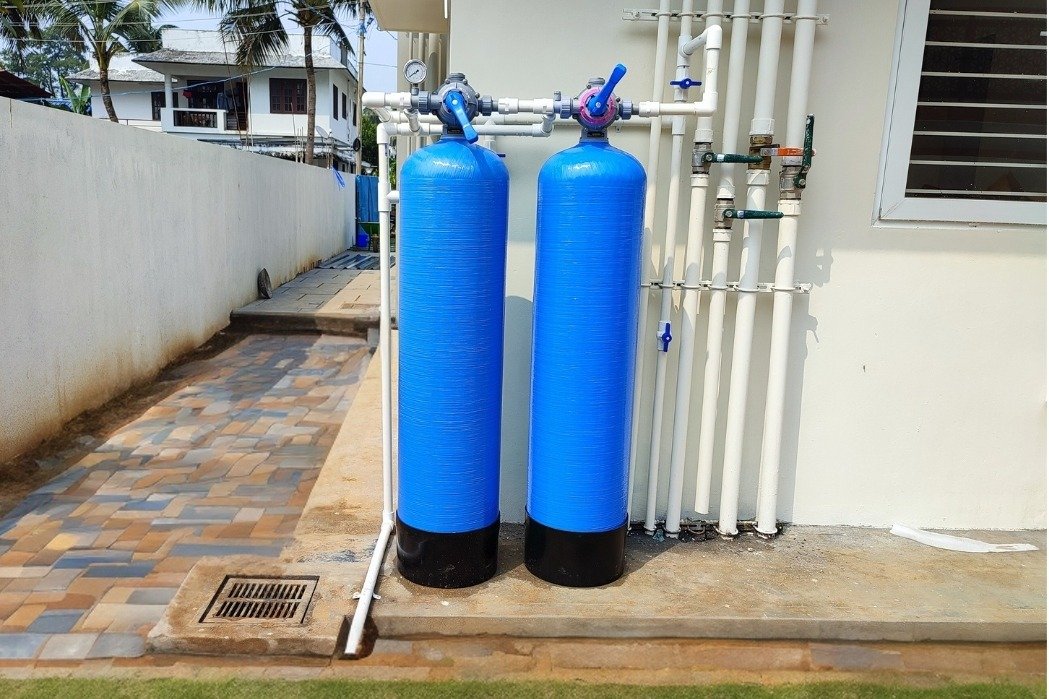
This is especially important for homeowners who want protection throughout the property rather than treating only one faucet. whole home filtration systems can be designed to treat water as it enters the house, helping provide cleaner, more consistent water for showers, laundry, cooking, and other everyday uses.
Why Whole-Home Treatment Can Make Sense
Point-of-use filters are useful, particularly when your main concern is drinking water. But they only treat water at a specific faucet. The rest of the house continues to receive untreated water.
A whole-home approach is different. The treatment system is installed at a central point, allowing incoming water to be filtered before it travels through the home’s plumbing.
That can be useful if you’re dealing with sediment, unpleasant odors, chlorine, certain chemicals, or other water-quality concerns. It may also reduce the amount of unwanted material flowing through appliances and fixtures.
Think about your shower, for example. You’re not drinking that water, but you’re still using it regularly. Water quality can affect skin and hair, leave mineral deposits on glass, and contribute to buildup on plumbing fixtures. Treating water at the entry point addresses more than just what comes out of the kitchen faucet.
Of course, not every home needs the same setup. The right system depends on the test results, water source, household size, and the volume of water being used.
Well Water Has Its Own Set of Challenges
Private wells give homeowners independence from municipal water supplies, but they also come with responsibilities. Unlike city water, well water quality can change because of groundwater conditions, nearby agriculture, seasonal changes, and the surrounding geology.
Some well owners notice obvious problems, such as rusty-looking water or a rotten-egg odor. Others may have water that looks normal but contains elevated levels of minerals or microorganisms.
For these homes, well water treatment systems can provide targeted solutions based on the actual water chemistry. Depending on the test results, treatment may involve sediment filtration, iron removal, water softening, carbon filtration, ultraviolet disinfection, or other technologies.
One important point is often overlooked: well water should be tested periodically, even when everything seems fine. A sudden change in taste, smell, color, or pressure shouldn’t simply be ignored. It may indicate a change underground or an issue with the well or plumbing system.
Hard Water Is More Than an Annoyance
Hard water is one of the most common water-quality complaints, particularly in areas with naturally mineral-rich groundwater.
The main culprits are calcium and magnesium. They aren’t necessarily something you need to fear in ordinary concentrations, but they can create plenty of household headaches.
You may notice cloudy spots on glassware, crusty buildup around faucets, stiff-feeling laundry, or reduced efficiency in water heaters and appliances. Over time, mineral scale can accumulate inside plumbing and equipment.
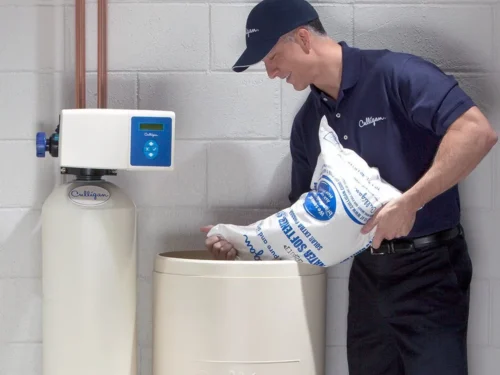
A water softener can help address hardness by reducing calcium and magnesium ions in the water. But it’s worth remembering that a softener is not the same thing as a general-purpose filter. It’s designed for a specific job.
That distinction matters. Installing a softener when the real concern is bacteria or chemical contamination won’t solve the underlying issue.
When “Problem Water” Needs a More Specific Solution
Some water issues are simple. Others are anything but.
Iron can cause orange or reddish staining. Manganese may create dark staining. Sulfur compounds can produce an unpleasant rotten-egg smell. Sediment can make water cloudy and damage fixtures or equipment. Microbiological contamination requires a completely different approach.
This is where problem water treatment becomes particularly important. Rather than relying on a one-size-fits-all filter, treatment can be selected around the specific characteristics of the water.
For example, a homeowner with iron and sulfur may need a treatment process designed for both. Someone concerned about bacteria may need disinfection. Another household might require carbon filtration for taste and odor concerns.
The goal isn’t to install the biggest or most expensive system available. It’s to install a system that actually addresses the problem.
Don’t Forget Maintenance
Even a well-designed treatment system needs attention. Filters have replacement schedules. Softener systems need salt or maintenance. Disinfection equipment requires periodic checks. Some systems also need professional servicing to continue working properly.
Skipping maintenance can gradually reduce performance, sometimes without an obvious warning.
A good habit is to keep a simple record of filter changes, service appointments, and water-testing results. It takes only a few minutes, and it can help you notice changes before they become expensive problems.
Homeowners should also pay attention to changes in water pressure, taste, odor, or appearance. Your water can sometimes tell you something is wrong before the equipment does.
The Smartest Approach Is a Customized One
There’s no universal “best” water treatment system. The right choice depends on the water entering your home and what you want the treatment to accomplish.
Start with testing. Understand the contaminants and minerals present. Then look at treatment options that are specifically suited to those results.
If you’re dealing with persistent odors, staining, hard water, sediment, or concerns about drinking-water quality, getting professional advice can save you from buying equipment that doesn’t solve the problem.
Good water treatment isn’t really about having the most technology under the sink or in the basement. It’s about having the right technology for your home.
And once the water is right, you tend to notice it in all those little everyday moments — clearer glasses, better-tasting coffee, cleaner fixtures, and a shower that simply feels better. Sometimes, improving something as ordinary as water can make home life surprisingly easier.