What Your Water Is Really Telling You: A Practical Guide to Testing and Treatment
Most people don’t think much about their water when everything seems normal. The glass fills, the shower runs, the washing machine does its job, and that’s that. But every now and then, something catches your attention. Maybe there’s a strange smell when you turn on the faucet in the morning. Perhaps your coffee tastes a little different, or white buildup keeps appearing around the sink.
Those small clues are worth noticing.
Water can contain minerals, sediment, metals, microorganisms, and other substances that aren’t always visible to the naked eye. Even clear water isn’t necessarily problem-free. The good news is that you don’t have to play detective forever. Proper testing can tell you much more than appearance or taste ever will.
Testing Is a Better Starting Point Than Guesswork
It’s tempting to buy a filter after seeing a few cloudy glasses or reading a worrying headline online. But water treatment isn’t one-size-fits-all. A system designed for hard water may do little for a bacterial concern, while equipment intended for sediment may not address dissolved minerals.
That’s why testing should come first.
A professional water test provides a baseline. It helps identify what’s present, how much is present, and whether treatment is actually necessary. In some cases, the results may be reassuring, which is useful information too.
For homeowners who want a convenient first step, free in-home water testing can make the process easier. Having someone evaluate the water at the property can help identify visible signs of hardness, staining, odors, or other common concerns while giving homeowners an opportunity to discuss what they’ve noticed.
The important thing is to understand what the test includes. A quick screening and a comprehensive laboratory test aren’t necessarily the same thing.
Not Every Water Problem Is Obvious
Some water issues announce themselves. Rust-colored stains are hard to miss. Sulfur-like odors are even harder to ignore.
Other concerns are much quieter.
Water may look perfectly clear while containing elevated levels of certain dissolved substances. That’s why relying only on your senses isn’t enough when you have a genuine concern about water quality.
Laboratory testing can provide a much more detailed picture. Lab water analysis may evaluate specific chemical, physical, or microbiological characteristics depending on the testing package and the reason for testing.
If you’re dealing with private well water, for example, the appropriate testing may differ from what you’d need for a municipal supply. The source matters, as does the history of the property and any changes you’ve noticed.
Private Wells Deserve Regular Attention
A private well can be an excellent water source, but it also means the homeowner has greater responsibility for monitoring it.
Groundwater moves through soil and rock before reaching the well, and the surrounding environment can influence what’s found in that water. Heavy rainfall, flooding, nearby agricultural activity, changes in the well itself, or other environmental factors can sometimes affect water quality.
That doesn’t mean well water is automatically unsafe. Far from it.
It simply means testing shouldn’t be treated as a one-time event. Periodic checks can establish what is normal for your property and make unusual changes easier to recognize.
If the water suddenly develops an odor, changes color, or tastes noticeably different, it’s sensible to investigate rather than assume the issue will disappear on its own.
Hard Water Creates Its Own Set of Headaches
Hard water is one of the most common complaints homeowners have. Calcium and magnesium can leave mineral deposits on faucets, shower doors, dishes, and appliances.
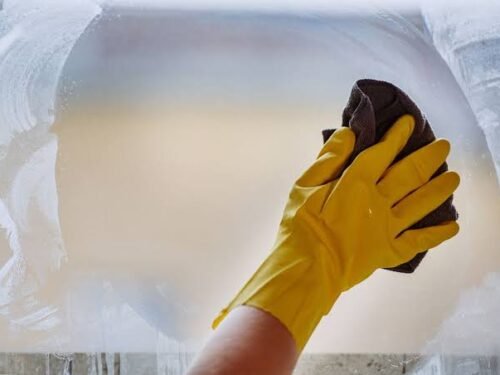
You might notice that soap doesn’t lather as easily. Laundry may feel different. A kettle develops a chalky layer. The shower glass seems to need cleaning every other day.
None of these things necessarily means the water is dangerous. Often, it’s simply a sign that the water chemistry isn’t particularly friendly to your plumbing and household routines.
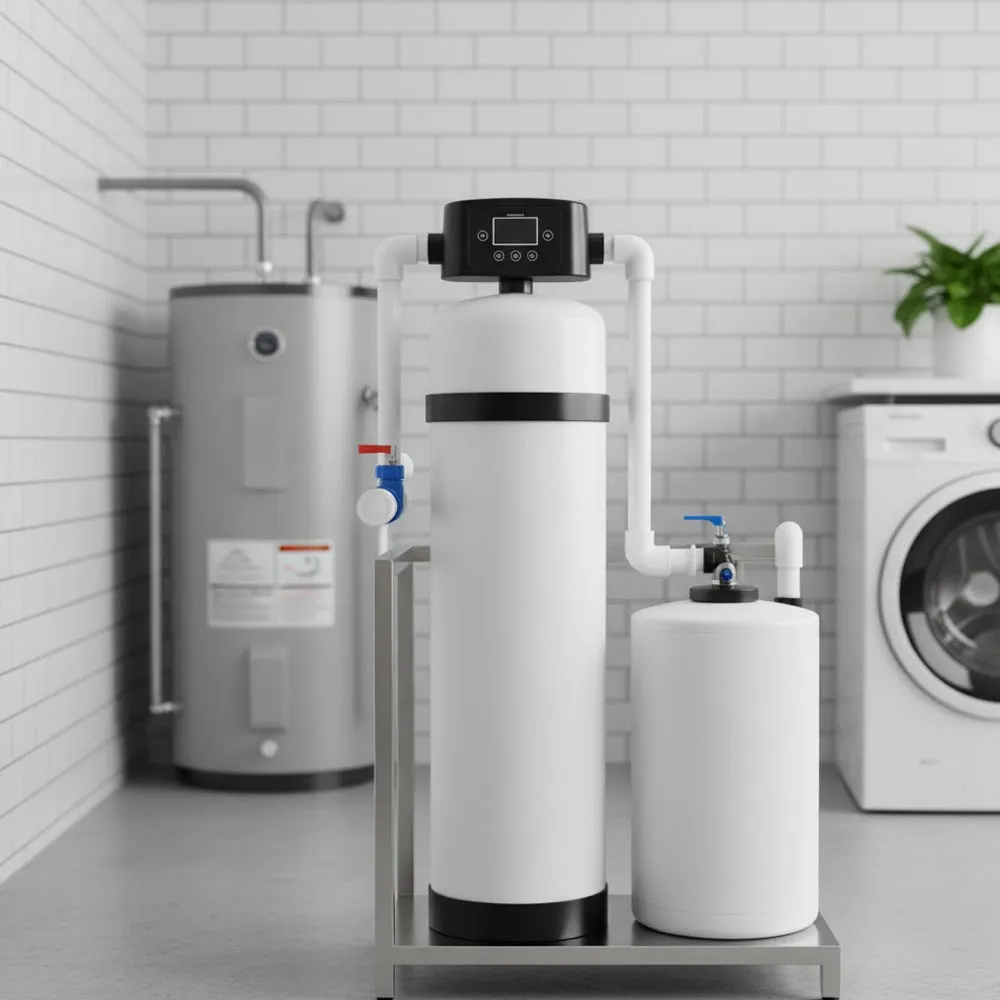
Once hardness is confirmed, treatment can be selected accordingly. Water softeners are commonly used to reduce hardness minerals, while other filtration technologies may be appropriate for different concerns.
Again, knowing the actual problem makes the solution much easier to choose.
Strange Odors Shouldn’t Be Ignored
Water that smells unusual can be unpleasant enough to make you avoid drinking it.
A rotten-egg odor, for instance, is often associated with hydrogen sulfide. Musty or earthy smells may have different causes. Chlorine odors can be noticeable in some municipal supplies.
The smell itself doesn’t tell you the whole story. It simply tells you that something deserves a closer look.
Sometimes the answer is straightforward. Other situations require testing and a more specialized treatment strategy. The important thing is not to assume that a single carbon filter, softener, or other piece of equipment will solve every odor problem.
Treatment Should Match the Actual Problem
Once test results are available, the next step is deciding what to do about them.
This is where good water treatment advice matters. If testing identifies iron, the treatment needs to account for the concentration and form of that iron. If sediment is the concern, filtration should be sized appropriately. If microorganisms are detected, disinfection may become an important part of the solution.
The objective isn’t to make the water as “treated” as possible.
It’s to make the water appropriate for its intended use.
That distinction can save homeowners money and prevent unnecessary equipment. Installing multiple systems without knowing whether they’re needed can create more maintenance without delivering meaningful benefits.
Different Homes Need Different Solutions
A family living in a city home may have very different water concerns from someone with a private well on several acres.
Household size matters, too. So does water consumption, plumbing design, existing equipment, and whether the homeowner wants to treat every tap or only drinking water.
A kitchen drinking-water system might be enough for one household. Another property might benefit from whole-home filtration combined with additional treatment at the kitchen sink.
There’s no prize for owning the most complicated setup.
The better solution is the one that addresses the specific concern without creating unnecessary complexity.
Problem Water Doesn’t Have to Become a Permanent Problem
The phrase “problem water” can sound intimidating, but many water-quality issues have practical treatment options.
Problem water solutions can include filtration, softening, oxidation, disinfection, reverse osmosis, specialty media, or combinations of technologies. Which approach works depends entirely on the test results and the property’s requirements.
That’s why a professional evaluation can be valuable. Instead of jumping from one product to another, you can build a treatment plan around actual information.
And if you’ve already installed equipment, testing can still help. Maybe the system is working properly. Maybe a filter needs replacement. Maybe the incoming water has changed. You won’t know until you look.
Don’t Forget About Maintenance
Testing and installation are only part of the picture.
Filters need replacing. Softener systems need salt and periodic inspection. Reverse osmosis membranes eventually require service. Storage tanks, valves, connections, and other components can wear over time.
A system that’s neglected may gradually lose effectiveness even though nobody notices right away.
Keep track of service dates and filter changes. If water quality changes after installation, don’t automatically assume the equipment has failed. Have the water checked and let the results guide the next step.
Better Water Decisions Start With Better Information
Water quality doesn’t need to be mysterious.
When something seems unusual, start by observing the signs, then test rather than guess. Understand the results before choosing equipment. Ask what a treatment system is designed to remove, what it won’t remove, and what maintenance it requires.
For well owners especially, regular testing can provide peace of mind and establish a useful history of the water supply. For any homeowner, professional guidance can help turn confusing symptoms into a practical plan.
In the end, the goal isn’t fancy equipment sitting quietly in a basement or garage. It’s dependable water that works for your household, your plumbing, and your everyday life.
Sometimes the smartest water treatment decision is simply taking the time to find out what’s really in the water first. Once you know that, the rest becomes a whole lot clearer.