Choosing the Right Water Treatment System for Your Home
Water is one of those things we tend to notice only when something goes wrong. The morning coffee tastes slightly different. A glass of tap water has an odd smell. White spots keep appearing on the dishes, and somehow the showerhead looks older than it really is.
These everyday annoyances can be clues that your household water needs a closer look.
The good news is that improving water quality doesn’t always require an elaborate setup. Different treatment technologies are designed for different problems, and understanding those differences can help homeowners spend money wisely. Before choosing equipment, it helps to know what’s actually in your water, what you want to improve, and how much maintenance you’re willing to handle.
Start by Understanding Your Water
Every home has its own water story.
Municipal water goes through centralized treatment, while private well water depends heavily on local groundwater conditions. Even after treatment, water can pick up characteristics from distribution lines and household plumbing.
You may notice sediment, mineral deposits, chlorine taste, staining, or an unusual odor. Some concerns, however, won’t show themselves visually. That’s why testing is more useful than simply judging water by appearance.
A basic water-quality analysis can help identify hardness, pH, chlorine, iron, and other factors. If you’re dealing with well water, additional testing may be appropriate based on local conditions.
Once you know the problem, choosing a solution becomes much easier.
Why Water Testing Should Come First
It can be tempting to walk into a store, see a sophisticated filtration system, and assume it will solve everything. That’s rarely the best approach.
Some companies provide free water testing to help homeowners understand their water. This can be a useful starting point, but always ask what the test actually measures. A quick demonstration test and a laboratory analysis aren’t necessarily the same thing.
Testing matters because different problems require different technologies.
For example, high hardness may call for a softening system, while excessive chlorine may be better addressed with carbon filtration. A specific dissolved contaminant could require a more specialized treatment method.
In other words, don’t buy the cure before finding out what needs curing.
When Reverse Osmosis Makes Sense
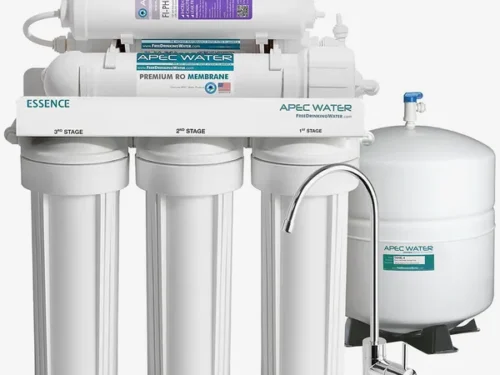
For drinking and cooking water, reverse osmosis systems are a popular option because they can reduce many dissolved substances.
The basic process uses pressure to push water through a semipermeable membrane. Many unwanted dissolved materials are left behind while treated water passes through.
RO systems are often installed under the kitchen sink, which makes sense for many households. You get treated water where you actually drink and cook with it without necessarily treating every gallon used for toilets, gardening, or cleaning floors.
There are trade-offs, though. RO systems require filter and membrane replacement, and many models produce some wastewater during operation. Installation and maintenance should be considered before making a decision.
A good system isn’t simply one that removes a long list of substances. It should be appropriate for your water and your household.
Hard Water Has Its Own Challenges
Hard water is different from contamination concerns, and it tends to make itself known through household chores.
You might see cloudy spots on glasses, scale around faucets, buildup in appliances, or reduced soap lather. Over time, mineral deposits can become particularly troublesome in water heaters and plumbing fixtures.
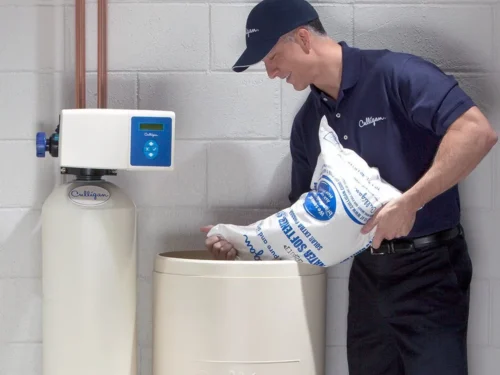
This is where water softeners can be useful. Traditional softeners use ion exchange to reduce calcium and magnesium, the minerals most commonly responsible for water hardness.
Softer water can make cleaning easier and reduce scale buildup. Many homeowners also notice that soap and shampoo rinse differently.
But a softener isn’t a general-purpose purifier. It isn’t designed to solve every possible water-quality problem, so combining it with other treatment equipment may sometimes make sense.
Filters Do Different Jobs
One of the easiest mistakes to make is assuming that every filter removes the same things.
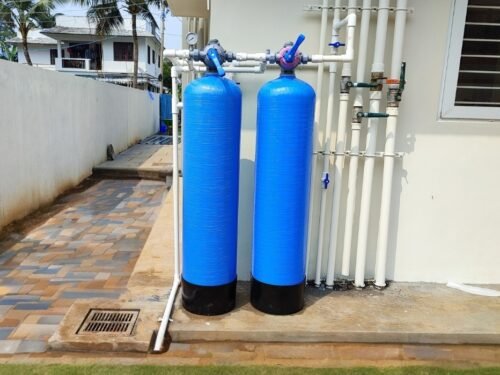
Carbon filters are commonly used to improve taste and reduce chlorine and certain organic compounds. Sediment filters capture physical particles such as sand, dirt, and rust. Specialized filtration media may be designed for iron, sulfur, or other specific concerns.
Reverse osmosis works through a different process and can address many dissolved substances.
The right choice depends on your test results. If someone recommends a system without asking about your water source or water-quality concerns, that’s worth questioning.
Water treatment shouldn’t feel like buying a mystery box.
Consider the Whole Household
Think beyond the kitchen faucet.
If hard water is affecting your shower, washing machine, water heater, and bathroom fixtures, a point-of-use filter may not address the underlying problem throughout the house. In that situation, whole-house treatment may be worth considering.
On the other hand, if your primary concern is drinking water taste, treating every faucet may be unnecessary.
Household size matters, too. A system suitable for one or two people may not perform the same way in a busy family home with several bathrooms.
Water usage, flow rate, installation space, and daily habits all deserve a place in the decision.
Maintenance Is Part of the Purchase
The equipment may look impressive on installation day, but what happens six months later?
Filters need replacement. RO membranes eventually wear out. Softener systems require ongoing maintenance. Some systems also need professional inspections.
Ask about these costs before buying.
A system with a low upfront price might require expensive replacement parts. Another system may cost more initially but be easier and cheaper to maintain over several years.
Don’t forget warranty coverage, either. A good warranty doesn’t guarantee a trouble-free experience, but it can provide valuable protection when something goes wrong.
Don’t Chase the Most Complicated Solution
More stages, bigger tanks, and longer feature lists can sound impressive. They don’t automatically mean better water.
The smartest approach is usually much simpler: test your water, identify the actual issue, research suitable technologies, and compare the long-term costs.
For one home, a water softener may make the biggest difference. Another may benefit from a kitchen reverse osmosis system. Someone else might need sediment or carbon filtration instead.
The goal isn’t to turn your home into a water-treatment laboratory.
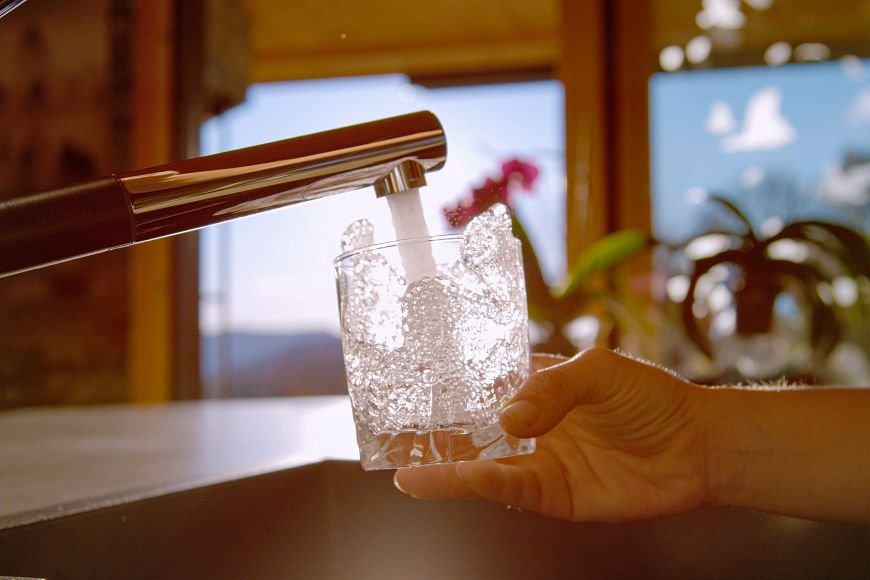
It’s to have water that tastes good, works well for everyday household tasks, and is treated appropriately for the concerns you’ve actually identified.
A Better Choice Starts With Better Information
Water treatment is ultimately less about buying equipment and more about making an informed decision.
Pay attention to changes in your water. Get it tested when necessary. Understand what each treatment technology can — and can’t — do. Then choose equipment that fits both your water quality and your lifestyle.
There’s no perfect system for everyone, and that’s okay. The right solution is the one that addresses your household’s genuine needs without unnecessary complexity.
After all, clean, dependable water shouldn’t be complicated. Sometimes the best upgrade is simply understanding what’s coming out of your tap and choosing a treatment system that makes sense for the people who use it every day.