
Kitchen Cabinets in Coralville, IA: How to Choose the Right Style and Storage
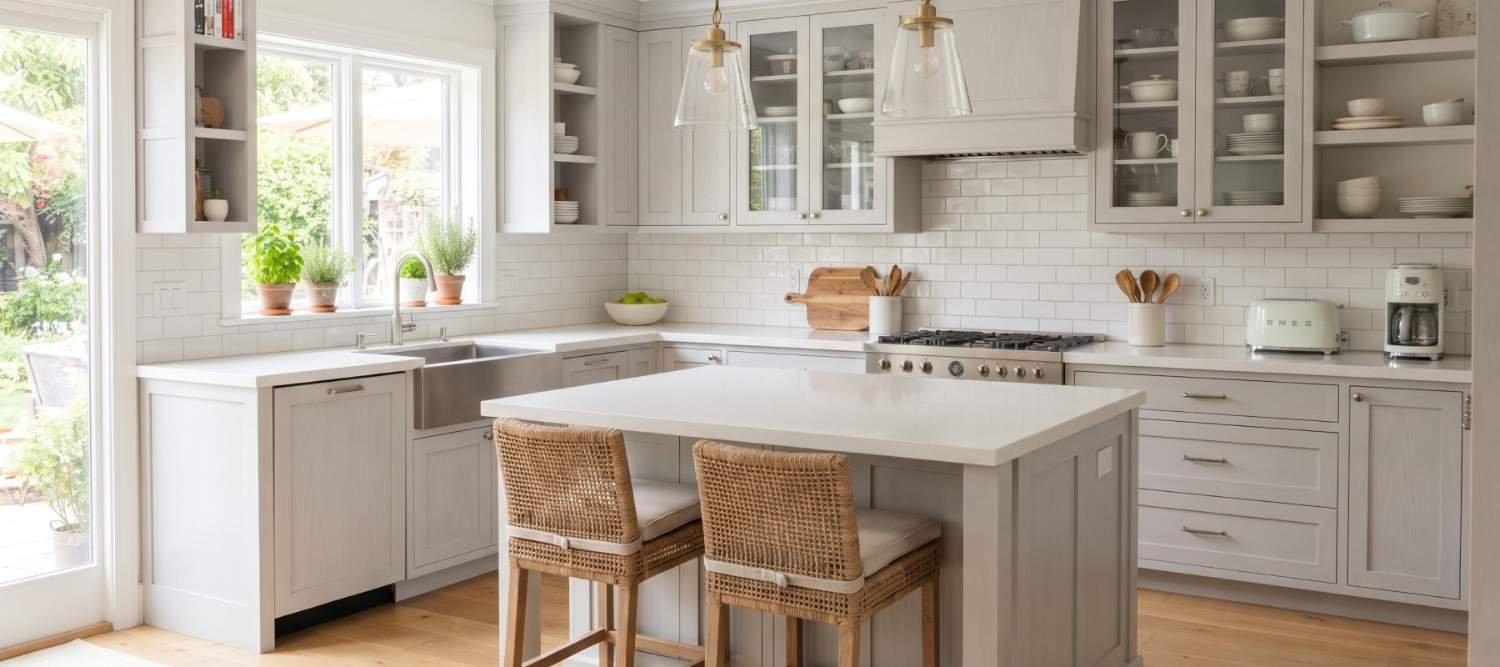
Your kitchen should make everyday tasks easier while providing a comfortable space for cooking, dining, and spending time with family. Cabinets play a major role in achieving that balance because they determine how you organize supplies, store cookware, and use available space. Outdated cabinets, limited storage, and poorly planned layouts can make even a spacious kitchen feel crowded. Choosing the right cabinetry helps address these problems while improving the appearance and functionality of your home.
When exploring kitchen cabinets in Coralville, IA, consider more than color and door style. Cabinet construction, storage capacity, hardware, and resistance to everyday wear all influence long-term satisfaction. Whether you are updating a small kitchen or planning a complete renovation, understanding your options helps you make choices that fit your budget, household routines, and preferred design.
Why Cabinet Design Matters in a Kitchen Remodel
Cabinets occupy a significant portion of most kitchens, making them one of the most noticeable elements in the room. Their layout also affects how efficiently you can move between the refrigerator, sink, and cooking area. This arrangement is often planned around the kitchen work triangle, which connects these three primary work areas to support efficient movement during meal preparation.
A well-planned arrangement keeps frequently used items within easy reach and reduces unnecessary movement during meal preparation. Drawers near the cooking area, for example, provide convenient access to utensils and cookware. Cabinets positioned near the refrigerator can accommodate pantry supplies, while storage beneath the sink can hold cleaning products when properly organized.
Cabinet design also influences how spacious the kitchen feels. Light finishes can create an open appearance, while darker cabinetry adds contrast and visual depth. The best choice depends on your lighting, countertop material, flooring, and overall design preferences.
Popular Kitchen Cabinet Styles in Coralville
Selecting a cabinet style is easier when you understand the main options and their practical advantages.
Shaker Cabinets
Shaker cabinets feature simple, framed doors that work well in traditional, transitional, and contemporary kitchens. Their restrained appearance makes them a flexible choice for homeowners who want a design that remains appealing as decorating trends change.
They also pair well with different countertop materials, backsplash designs, and hardware finishes.
Flat-Panel Cabinets
Flat-panel cabinets have smooth, unadorned doors that complement modern interiors. Their clean lines work particularly well in kitchens where simplicity and visual consistency are priorities.
Depending on the finish, they can create a sleek appearance without adding unnecessary decorative details.
Traditional Raised-Panel Cabinets
Raised-panel cabinets feature more decorative door profiles and work well in kitchens with classic architectural details. They can create a formal, established look when coordinated with suitable flooring, lighting, and countertops.
Consider how much decorative detail you want throughout the room before choosing an elaborate cabinet design.
Choosing Cabinet Materials and Finishes
Cabinet materials influence durability, appearance, maintenance, and price.
Solid wood offers natural grain variation and can often be refinished, depending on its condition and construction. Plywood cabinet boxes provide a stable option for many applications. Medium-density fiberboard, commonly called MDF, supports smooth painted finishes, while particleboard is another engineered material used in cabinet construction.
Quality varies within each category, so compare the complete cabinet construction rather than judging materials by name alone.
Another important construction decision is whether to choose framed or frameless cabinets. Framed cabinets have a face frame attached to the front of the cabinet box, providing a traditional construction style and affecting how doors and drawers are mounted. Frameless cabinets omit this face frame, allowing wider access to the cabinet interior and potentially more usable storage space. Frameless construction often has a modern appearance, while framed cabinets offer a broader range of traditional design options. Costs vary depending on materials, hardware, finishes, and manufacturing, so compare complete quotes rather than assuming one construction type is always more expensive.
When evaluating finishes, consider how the kitchen is used. Families with children or frequent cooking activity might prefer finishes that are easy to wipe clean and less likely to show fingerprints.
Ask about the finish’s resistance to moisture, cleaning products, and routine wear. Proper ventilation and prompt cleanup of spills also help protect cabinet surfaces over time.
Storage Solutions That Make Everyday Cooking Easier
Effective storage begins with understanding what you need to keep in your kitchen.
Consider incorporating these features into your cabinet plan:
A. Pullout shelves: Improve access to items stored toward the back of deep cabinets.
B. Deep drawers: Provide convenient storage for pots, pans, and larger cookware.
C. Drawer organizers: Keep utensils and cooking tools arranged by function.
D. Corner storage systems: Help make awkward corner cabinets more accessible.
E. Vertical dividers: Organize baking sheets, cutting boards, and trays.
F. Adjustable shelving: Allows storage spaces to accommodate changing needs.
G. Waste and recycling pullouts: Keep containers accessible without occupying open floor space.
Not every feature belongs in every kitchen. Prioritize the options that solve your existing storage problems rather than adding accessories that consume budget without improving daily use.
Cabinet hardware also affects everyday convenience. Soft-close hinges help cabinet doors close gently, while soft-close drawer slides slow drawers as they shut to reduce slamming. These features can improve the user experience and reduce noise. When comparing cabinets, check the quality of the hinges, drawer slides, and handles, and determine whether soft-close mechanisms are included in the quoted price or offered as upgrades.
How to Plan a Cabinet Replacement
Before choosing new cabinets, measure your kitchen carefully and identify the appliances, plumbing fixtures, and electrical components that will remain in place.
Think about door swings, drawer clearance, countertop work areas, and the movement of people through the room. If you are replacing cabinets as part of a larger renovation, coordinate the cabinet dimensions with the sink, dishwasher, range, refrigerator, and ventilation system.
You will also need to choose a purchasing option that suits your budget and design requirements. Stock cabinets come in standard sizes and are generally the most budget-friendly option, although they offer limited customization. Semi-custom cabinets provide additional choices in dimensions, finishes, and storage features while maintaining a more moderate price range. Custom cabinets are built to specific measurements and design requirements, making them suitable for unusual layouts or highly personalized kitchens. They generally require a larger budget and more planning time. Compare pricing, available modifications, and estimated delivery schedules before making a decision.
Establish a budget that includes cabinets, hardware, installation, delivery, and any necessary modifications to walls or utilities. Ask for a detailed estimate that distinguishes standard features from optional upgrades.
Cabinet lead times should be confirmed before finalizing your renovation schedule. Stock, semi-custom, and custom cabinets can have different production and delivery timelines, and availability may vary by supplier, finish, and configuration. Ask your cabinet supplier for current estimated lead times, whether the quoted timeframe includes delivery, and how potential delays will affect installation. Since the cabinets often determine when installation and subsequent work can begin, coordinate the schedule with your contractor rather than relying on a general estimate.
In Coralville, seasonal humidity changes also make proper installation and moisture management important. Cabinets should be installed according to the manufacturer’s requirements, and plumbing leaks should be addressed promptly to protect surrounding materials.
Conclusion: Create a Kitchen That Works for You
The right cabinetry can improve storage, simplify meal preparation, and give your kitchen a coordinated appearance. By comparing materials, evaluating construction quality, and prioritizing useful storage features, you can create a design that supports your household’s needs.
Start by listing your current kitchen frustrations, measuring your available space, and identifying the features that matter most. Then discuss your ideas with a qualified remodeling professional to develop a practical cabinet plan that fits your home and budget.


