When Plumbing Problems Strike: Keeping Your Home, Water, and Peace of Mind in Check
There’s a funny thing about plumbing. When everything works, nobody thinks about it. The shower runs, the toilet flushes, the kitchen tap delivers water, and that’s that. But the moment a pipe starts leaking at midnight or the drain suddenly backs up, plumbing becomes the most important thing in the house.
Most plumbing problems don’t wait for a convenient appointment. They happen before guests arrive, during a holiday weekend, or right when you’re about to leave for work. And while some issues are little more than an annoyance, others can quickly cause serious water damage.
Knowing the warning signs, understanding your options, and having a reliable professional to call can make a surprisingly big difference.
Plumbing Emergencies Rarely Keep Business Hours
A burst pipe is one of those situations where every minute matters. Water can spread underneath flooring, soak drywall, damage furniture, and create conditions for mold if it isn’t controlled quickly.
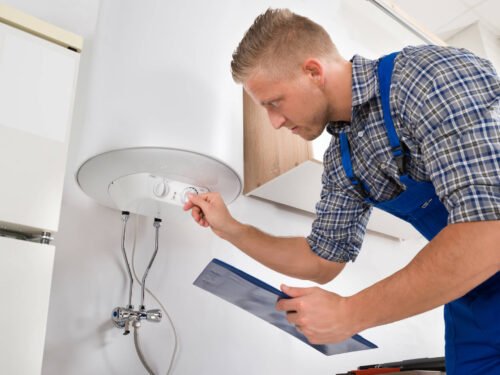
That’s where 24/7 emergency plumbing services can be especially valuable. A professional emergency plumber can help identify the source of the problem, shut down the affected water supply, and determine what needs to be repaired immediately.
If a pipe bursts, don’t panic. First, shut off the main water supply if you can safely reach it. Move valuables away from the affected area, and avoid electrical equipment or outlets that may have come into contact with water. Then get professional help.
A small amount of preparation beforehand can save a lot of scrambling later. Find your main shut-off valve now, not while water is pouring across the kitchen floor.
Not Every Plumbing Problem Is Obvious
Some plumbing problems are surprisingly quiet. A toilet may run continuously. A faucet might drip once every few seconds. The water pressure could slowly become weaker over several months.
These things are easy to ignore because they don’t feel urgent. But they can point toward bigger issues.
A constantly running toilet wastes water. A dripping faucet can indicate a worn valve or seal. Low water pressure may be caused by mineral buildup, a damaged pipe, a faulty pressure regulator, or another issue that deserves investigation.
It’s worth paying attention to changes in your home’s normal plumbing behavior. You know what your shower pressure usually feels like. You know how quickly the kitchen sink drains. When something changes, that’s useful information.
Clean Water Is About More Than Appearance
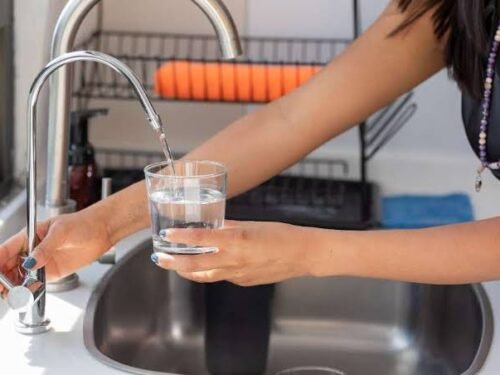
Clear water isn’t automatically perfect water. Depending on the source and local conditions, water can contain minerals, sediment, or other substances that affect taste, smell, or household plumbing.
For some homes, filtration can make a noticeable difference. One popular method is reverse osmosis, a treatment process that uses a semipermeable membrane to reduce various dissolved substances from water.
That doesn’t mean reverse osmosis is necessary for everyone. The sensible approach is to understand the quality of your water first and then choose treatment based on actual needs. Otherwise, it’s easy to spend money on equipment that solves a problem you don’t really have.
Water testing can be a useful starting point, particularly when you’re noticing changes in taste, odor, staining, or scale buildup.
Your Water Treatment Setup Should Fit Your Household
There isn’t one water treatment system that works perfectly for every property. A family of four with hard municipal water may have very different needs from a rural household using a private well.
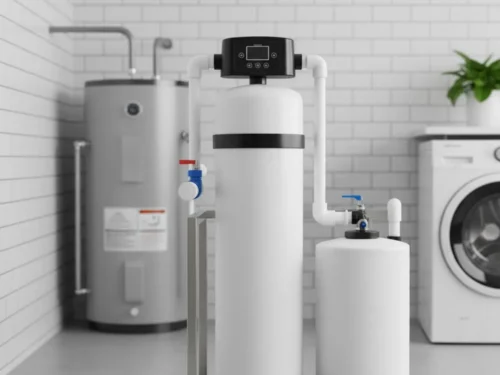
That’s why custom treatment options can be worth considering. Treatment can be selected according to the water source, specific quality concerns, household size, and how the water is used.
For example, one home may benefit mainly from sediment filtration, while another might need a combination of filtration and softening. Someone concerned about drinking water may focus on point-of-use treatment, while another homeowner may want whole-house protection.
The key is not to buy the biggest or most expensive system. It’s to buy the system that makes sense for your water.
The Drain Is Trying to Tell You Something
A slow drain is often treated like an inconvenience rather than a warning. A little plunging, perhaps some drain cleaner, and life continues.
But recurring slow drainage usually deserves a closer look.
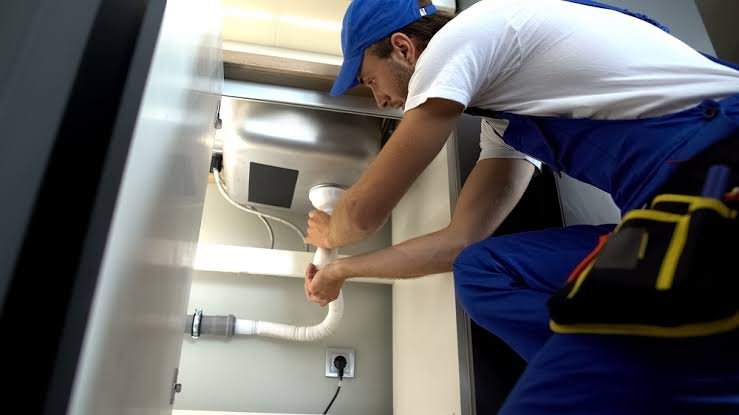
Grease, hair, soap residue, food particles, and mineral deposits can gradually restrict pipes. If several drains are becoming slow at the same time, the problem may be farther down the drainage system rather than inside one fixture.
Harsh chemical drain cleaners can also be problematic when used repeatedly. They may not solve a deeper blockage and can create safety concerns for people working on the plumbing later.
Sometimes the smartest move is simply to stop guessing and have the line inspected.
Preventive Plumbing Maintenance Isn’t as Complicated as It Sounds
You don’t need to become a plumbing expert to take better care of your home.
Avoid pouring cooking grease down the sink. Don’t flush wipes or other materials that aren’t designed to break down in plumbing systems. Check under sinks occasionally for moisture. Look around the water heater for signs of leakage. Clean faucet aerators if mineral deposits are building up.
It’s also useful to know the age of major plumbing components. Older pipes, water heaters, valves, and fixtures may need more frequent inspection.
These aren’t glamorous household tasks, obviously. Nobody gets excited about checking a shut-off valve on a Sunday afternoon. Still, a few minutes of maintenance can prevent an unpleasant surprise later.
Choosing a Plumber You Can Actually Trust
When you need professional plumbing help, price matters—but it shouldn’t be the only thing you consider.
Look for someone who communicates clearly, explains the cause of the problem, and gives you realistic repair choices. Ask what work is necessary and whether there are temporary and long-term solutions.
A good plumber shouldn’t make you feel embarrassed for asking basic questions. Plumbing terminology can sound complicated, and homeowners deserve to understand what’s happening inside their own property.
For larger repairs, getting a written estimate can also help avoid misunderstandings about labor, materials, and additional work.
A Little Attention Goes a Long Way
Plumbing isn’t something most people want to think about every day. And honestly, they shouldn’t have to.
But noticing the small stuff—an odd smell, a slow drain, a dripping faucet, unusual water pressure—can help catch problems before they become expensive emergencies. Likewise, understanding your water quality can help you choose treatment that actually suits your household instead of relying on guesswork.
The goal isn’t to eliminate every plumbing problem forever. That’s not realistic. The goal is to keep your system healthy, respond quickly when something goes wrong, and know when a professional is the right person to call.
Because when the pipes are doing their job quietly in the background, life just feels a little easier. And sometimes, that’s what good home maintenance is really about.