Keeping Your Water Treatment System Working Like It Should
A water treatment system is one of those home improvements you barely notice when it’s working properly. The water tastes good. The shower feels normal. There’s less scale around the faucets. Appliances aren’t collecting deposits quite as quickly. Life carries on.
Then something changes.
The water starts tasting a little different. Pressure drops. A filter looks dirty long before you expected it to. Maybe the softener seems to be using more salt than usual. None of these signs should be ignored, because treatment equipment doesn’t stay effective simply because it was installed correctly on day one.
Like an air conditioner, water heater, or vehicle, a water system needs occasional attention. The good news is that regular care usually isn’t dramatic or expensive. It’s mostly about noticing small changes and dealing with them before they turn into bigger problems.
The System Is Only as Good as Its Maintenance
Water treatment equipment works by doing a specific job repeatedly, every day. Filters capture particles. Media remove or reduce particular substances. Softening equipment manages hardness. Reverse osmosis membranes separate certain dissolved materials from the treated water.
Over time, those components naturally become less effective.
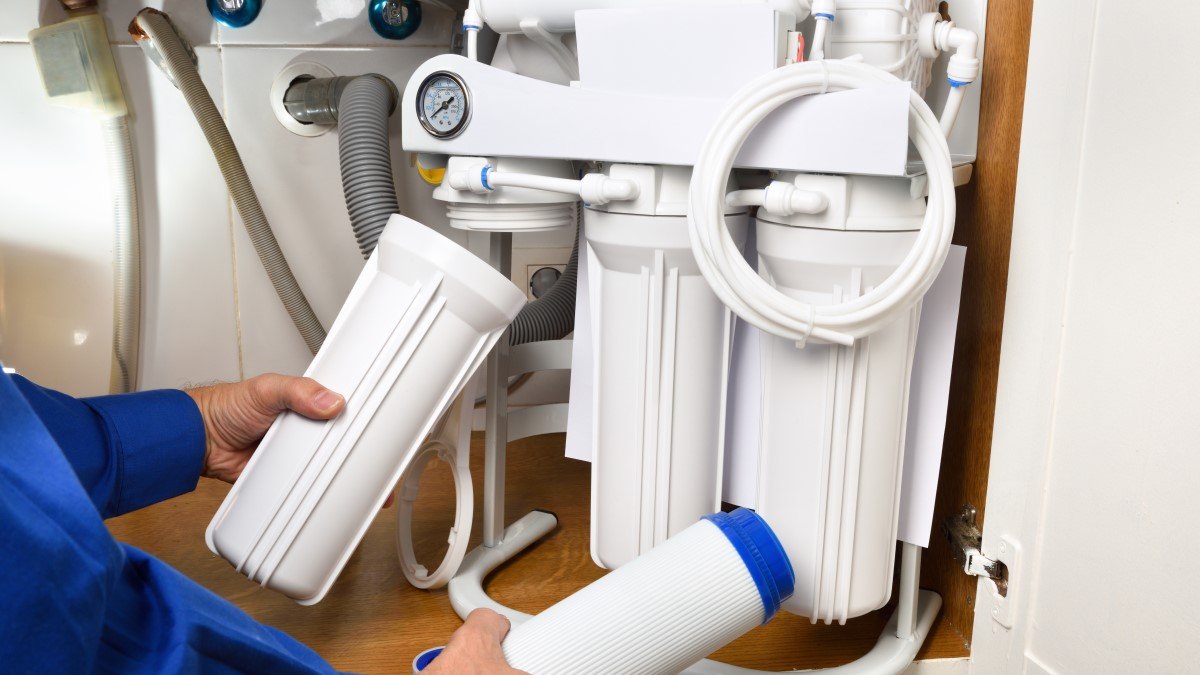
That’s why filter replacements & upgrades are an important part of keeping a treatment system performing properly. A filter that’s packed with sediment can’t keep doing its job indefinitely, no matter how expensive the housing or equipment around it happens to be.
Replacement intervals vary. Some filters may need attention every few months, while others can last considerably longer. Water quality, household consumption, and filter capacity all make a difference.
Don’t rely solely on a calendar, either. If water pressure falls or taste and odor change unexpectedly, check the filter even if its scheduled replacement date hasn’t arrived.
Learn the Warning Signs
Your water often tells you when something needs attention.
A sudden change in taste can indicate a depleted filter or another change in the water supply. A strange odor may have several possible causes. Cloudiness, unusual staining, scale buildup, or declining flow can also point toward a problem.
One overlooked clue is how quickly a filter becomes dirty. If you’ve normally replaced it every six months but suddenly find it heavily loaded after six weeks, there’s a reason.
Perhaps sediment has entered the supply. Maybe construction or heavy rainfall has affected the source. It could even be a plumbing issue.
The point isn’t to diagnose everything yourself. It’s to notice the change and investigate it instead of assuming the system has simply “gotten old.”
Maintenance Isn’t Just About Filters
Filters get most of the attention because they’re visible and easy to understand. But water treatment systems have other moving parts and components that deserve care.
Valves, pumps, storage tanks, pressure controls, connections, and electronic components can all affect performance depending on the type of system installed.
For homeowners, maintenance & support can be especially valuable when the equipment is more complicated or when several treatment technologies work together. Having someone familiar with the system can make troubleshooting much easier.
A professional can check operating settings, inspect connections, evaluate pressure, and identify worn components. They can also explain what needs immediate attention and what can reasonably wait.
That last part matters. Good service isn’t about replacing everything at the first sign of trouble. It’s about making sensible decisions.
Don’t Ignore Water Pressure
Low water pressure is one of those household annoyances people tend to tolerate for far too long.
If every faucet suddenly feels weaker, the treatment system may not be the culprit. But if pressure drops mainly after the water passes through filtration equipment, a clogged filter, restricted valve, or another treatment-system issue could be involved.
Pressure problems can also affect appliances and fixtures. A shower that used to feel strong but now barely gets the job done may be telling you something useful.
Before adjusting equipment yourself, check whether the pressure problem is isolated to one fixture or happening throughout the house. That simple distinction can save a lot of unnecessary troubleshooting.
Upgrades Should Solve a Real Problem
Technology changes quickly, and water treatment is no exception. New controllers, monitoring systems, sensors, and more efficient equipment can make maintenance easier.
But upgrading just because something newer exists isn’t always worthwhile.
A good upgrade should have a reason behind it. Perhaps your household has grown and the existing system is undersized. Maybe your water quality has changed. Perhaps replacement parts are becoming difficult to source for an older system.
Modern smart water systems can provide monitoring capabilities that help homeowners keep track of things such as water usage, system status, leaks, or maintenance needs, depending on the equipment. That information can be useful, especially for people who prefer knowing what’s happening rather than waiting until a problem becomes obvious.
Still, don’t let flashy technology distract from the basics. A smart system with neglected filters is still a poorly maintained system.
Keep an Eye on Salt and Regeneration
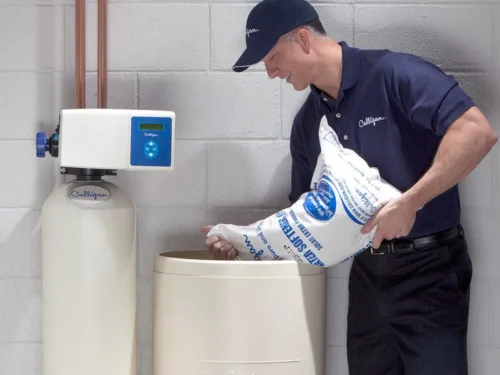
If you use a water softener, salt management becomes part of the routine.
Running out of salt can prevent the system from regenerating correctly. On the other hand, suddenly using far more salt than normal may indicate a setting issue, excessive water consumption, or another problem.
Don’t automatically assume that more salt means better softening. The system should be configured according to the home’s water hardness and usage.
If the equipment has been serviced recently, ask the technician to explain the settings. Understanding what the controls actually do makes it easier to spot something unusual later.
Professional Service Has Its Place
There’s plenty of routine maintenance homeowners can handle. Replacing an accessible filter, checking a salt level, or keeping the equipment area clean is usually straightforward.
More complex work is different.
If a system is leaking, losing pressure, regenerating incorrectly, producing unusual water quality, or showing an error that you don’t understand, professional service is often the safer choice.
Trying to fix a complicated valve or pressure issue without understanding the system can create more damage. Water and plumbing have a way of finding the one place you really didn’t want them to go.
A qualified technician can also evaluate whether repair or replacement makes more financial sense.
Think Long Term
The cheapest water-treatment system isn’t necessarily the least expensive system to own.
Consider replacement filters, membranes, salt, electricity, servicing, and eventual component replacement. A slightly higher upfront investment may be worthwhile if the system is easier to maintain and parts are readily available.
Keep documentation, too. Manuals, installation details, testing results, and service records are useful when something goes wrong. Years later, that paperwork can answer questions you’d otherwise have to reconstruct from memory.
Good Maintenance Is Mostly About Consistency
Water treatment doesn’t need to become another complicated household project. In most cases, a little consistency goes a long way.
Pay attention to changes in water taste, odor, pressure, and appearance. Replace consumable components when necessary. Keep equipment accessible and clean. Schedule professional inspections when the system calls for them. And when an upgrade is being considered, make sure it addresses a genuine need.
The goal isn’t to have the most sophisticated equipment in the neighborhood. It’s to have water that performs reliably day after day.
When a treatment system is maintained properly, you don’t think about it very often. And honestly, that’s probably the best sign that you’re doing things right.