A Practical Guide to Choosing Water System Products and Shipping Options

Buying equipment for a water system can seem straightforward at first. You find a pump, filter, fitting, or replacement part that looks suitable, add it to your cart, and expect the rest to be easy. But water equipment is rarely something you want to choose casually. A product that looks right in a photograph may not match your system’s pressure requirements, connection size, or intended use. And once you’ve found the right item, getting it delivered safely and on time matters, too.
Whether you’re upgrading an existing setup or replacing a worn-out component, understanding water system products and accessories can make the buying process much less confusing. The goal isn’t simply to purchase equipment. It’s to find products that fit your needs, work together properly, and provide dependable performance over time.
Start With the Actual Water Requirement
Before browsing products, it helps to understand what your water system is expected to do. Is it supplying drinking water, circulating a pool, supporting irrigation, moving water from a storage tank, or handling a commercial application? Each use can require different equipment.
For example, a pump designed for a decorative fountain may not be suitable for a high-demand irrigation system. Likewise, a household filter may not be appropriate for a commercial installation with much higher flow requirements.
Think about the flow rate, pressure, water source, and frequency of use. If you’re replacing an existing component, check its model number and specifications before ordering. A few minutes spent confirming these details can prevent the headache of receiving something that doesn’t fit.
Understanding Pumps, Filters, and Accessories
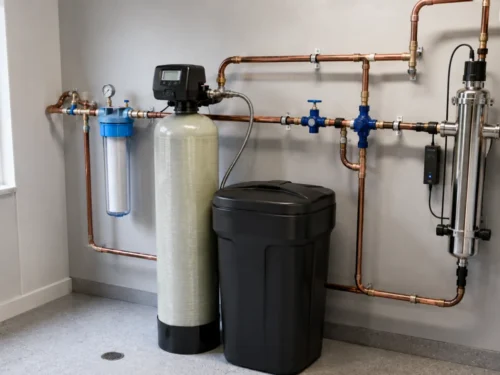
Water equipment is often sold as individual components, but those components need to work together. Pumps move water, filters help remove unwanted particles, valves control flow, and connectors allow different parts of the system to join securely.
When choosing a pump, pay attention to its flow rate, maximum head, power requirements, and connection size. “Maximum head” refers to the height or pressure the pump can overcome under specified conditions. It’s an important figure, especially when water needs to travel uphill or through long pipe runs.
Filters require a different set of considerations. Look at the filter type, micron rating where applicable, capacity, replacement availability, and compatibility with the water being treated. Not every filter removes the same substances, so avoid choosing one based only on a general promise of “cleaner water.”
Accessories matter more than people sometimes expect. A suitable hose, pressure gauge, adapter, seal, or replacement cartridge can determine whether the system operates smoothly. The small parts are often the ones that make installation possible.
Why Product Compatibility Matters
Compatibility is one of the most important things to check before making a purchase. Even products that serve the same general purpose may differ in size, fittings, voltage, materials, or operating requirements.
For instance, a filter cartridge may look similar to another model but have a different diameter or connection mechanism. A pump may require a specific electrical supply or need additional protection against dry running. Using an incompatible component can lead to leaks, poor performance, or equipment damage.
If you’re uncertain, consult the manufacturer’s specifications or speak with a knowledgeable supplier. Providing photos, model numbers, and measurements can make it easier to identify the correct replacement.
Shipping Options Can Affect Your Project
Once you’ve selected the right product, delivery becomes the next consideration. This is especially important when equipment is needed for a repair, installation, or time-sensitive project.
For customers ordering within Canada, Canada Shipping options may vary depending on the supplier, destination, package size, and selected service. Some products may qualify for standard shipping, while oversized or heavier equipment may require specialized handling. It’s worth reviewing delivery terms before placing an order, particularly if the item is being sent to a rural or remote location.
Shipping costs can also depend on whether the order includes bulky pumps, long lengths of tubing, or multiple accessories. A product with a low listed price may not necessarily be the least expensive option once delivery charges are included.
When Express Delivery Makes Sense
Sometimes waiting several business days is perfectly reasonable. Other times, a failed pump or damaged filter can bring an entire system to a halt. In those situations, delivery speed becomes a practical concern rather than a luxury.
Choosing express delivery may be useful when a replacement part is urgently needed or a project is working against a deadline. However, customers should check the actual delivery estimate, cutoff times, service area, and any additional fees before selecting a faster option.
It’s also important to remember that express shipping generally affects transit time, not necessarily order-processing time. If a product is backordered or requires special preparation, paying for faster shipping may not solve the underlying delay. Confirm that the item is available and ready to dispatch.
Look Beyond the Product Price
Price is naturally part of any purchasing decision, but it shouldn’t be the only factor. A cheaper product may have a shorter service life, limited replacement parts, or higher maintenance requirements. On the other hand, the most expensive option isn’t automatically the best fit.
Consider the total cost of ownership. This may include installation, electricity, replacement filters, seals, servicing, and eventual repairs. A slightly more efficient pump, for example, may offer savings over time if it operates regularly.
Warranty coverage is another detail worth checking. Understand what the warranty includes, how long it lasts, and whether installation conditions affect coverage. Clear information upfront can prevent unpleasant surprises later.
Safe Installation and Regular Maintenance
Even the right product can perform poorly if it is installed incorrectly. Pumps need appropriate plumbing connections and electrical protection, while filters must be installed in the correct direction and maintained according to their instructions.
If electrical work, pressurized plumbing, or complex system modifications are involved, professional installation may be the safest choice. A qualified technician can also identify problems elsewhere in the system that might otherwise damage the new equipment.
Maintenance should not be overlooked after installation. Replace filters when required, inspect connections for leaks, and pay attention to unusual noises, pressure changes, or reduced flow. Early attention often prevents a small issue from becoming a costly breakdown.
Making a Confident Purchase
A good water equipment purchase begins with clear information. Know what your system needs, confirm compatibility, compare product specifications, and review shipping details carefully. If you’re unsure about a technical detail, asking before ordering is far easier than arranging a return after installation.
Reliable suppliers should provide useful product descriptions, accurate specifications, and clear information about availability, delivery, and support. Those details help customers make decisions based on practical needs rather than guesswork.
In the end, choosing water equipment is about more than getting a product delivered to your door. It’s about finding something that fits, performs reliably, and supports the system it becomes part of. With a little preparation, the process becomes simpler—and the results are much more likely to last.