What Your Water Is Telling You: A Practical Guide to Better Water Quality
Most people don’t think much about their water until it starts behaving differently. Maybe there’s a strange smell when you turn on the tap in the morning. Perhaps the shower glass keeps collecting white spots, or your coffee tastes just a little off. These things can seem minor, but they’re often clues that something about the water deserves a closer look.
The tricky part is that water can look perfectly clear and still contain substances you may want to reduce or remove. Clear water isn’t necessarily an indication of excellent water quality. That’s why understanding what’s actually in your supply is a much better starting point than relying on appearance, taste, or assumptions.
Whether your home uses municipal water or a private well, knowing your water characteristics can help you make smarter decisions about filtration, softening, and other treatment methods.
Start by Paying Attention to Everyday Clues
Your home can give you plenty of hints about water conditions. Mineral deposits around faucets may point toward hardness. A metallic taste or reddish staining could be associated with iron. A rotten-egg-like odor can sometimes indicate sulfur compounds, particularly in well water.
None of these signs should automatically lead to a specific treatment purchase, though. The same symptom can have different causes, and that’s where testing becomes useful.
It’s also worth remembering that water conditions can change. Seasonal shifts, plumbing work, changes in the local supply, or well conditions can influence what comes through your taps. If something suddenly feels different, don’t simply assume the water has always been that way.
Testing Gives You a Starting Point
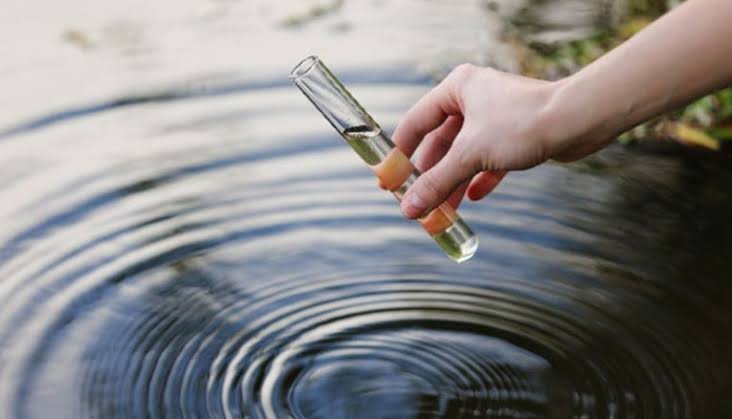
A water test provides information that your senses simply can’t. Depending on the source and type of testing, it may evaluate characteristics such as pH, hardness, dissolved solids, iron, manganese, chlorine, and other substances.
Professional water analysis can be particularly helpful when you’re considering a treatment system. Instead of guessing which equipment might work, you can identify the specific issues first and then look for a solution designed around them.
This approach can also prevent unnecessary spending. Nobody wants to install an expensive filtration system only to discover that it doesn’t address the main problem.
For homeowners using well water, regular testing can be especially important because private wells don’t receive the same centralized treatment that municipal supplies typically do. The exact testing schedule depends on local conditions and recommendations, but keeping an eye on changes is always sensible.
Hard Water Is More Than an Annoyance
Hard water is one of the most common complaints in households. It contains elevated levels of minerals, primarily calcium and magnesium. These minerals aren’t necessarily something homeowners need to fear, but they can certainly be frustrating.
Scale may accumulate inside plumbing and appliances. Shower doors can become covered with stubborn deposits. Soap may not rinse as easily, and laundry can sometimes feel less soft.
A water softener can help manage hardness by reducing the minerals responsible for these effects. However, softening isn’t the same as filtering every possible contaminant. That’s an important distinction when planning a complete treatment strategy.
Sometimes homeowners assume that one piece of equipment should solve every water issue. In reality, different problems may require different technologies.
Choosing the Right Treatment Approach
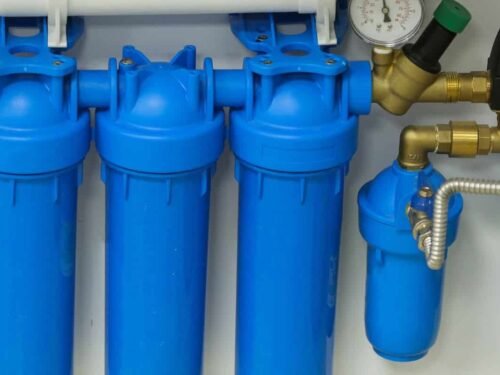
There are plenty of water treatment solutions available today, from sediment filters and activated carbon systems to water softeners, reverse osmosis equipment, and specialized filtration media.
The right option depends on what you’re trying to accomplish.
If sediment is the main concern, a sediment filter may be enough. If chlorine affects taste or odor, carbon filtration could be useful. Hardness may call for a softener, while certain dissolved contaminants may require reverse osmosis or another specialized process.
There isn’t much value in paying for technology that doesn’t solve a real problem. A well-designed treatment system is targeted, practical, and appropriate for the home’s water demand.
Whole-Home or Point-of-Use?
Another important decision is where treatment should happen.
Whole-home systems treat water as it enters the property, so multiple fixtures can receive treated water. This can be useful when the concern affects bathing, laundry, appliances, and general household use.
Point-of-use systems, on the other hand, focus on a specific fixture, usually a kitchen faucet. They can be a practical choice when drinking and cooking water are the main priorities.
Neither approach is automatically superior. It comes down to the water issue, household preferences, budget, installation space, and desired level of treatment.
A little planning here can save quite a bit of money later.
Don’t Forget About Maintenance
Water treatment equipment needs attention. Filters have finite lifespans, membranes require replacement, and softeners need appropriate settings and regenerant supplies.
The maintenance schedule varies from one system to another. It also depends on how much water your household uses and what the incoming water contains.
Ignoring maintenance can gradually reduce performance. A filter that should have been replaced months ago won’t suddenly become more effective because nobody has checked it.
Keep a simple record of installation dates and filter changes. It’s not exciting, but it works. If you know when a component was last serviced, it’s much easier to recognize when something is overdue.
Think About the Long-Term Cost
The purchase price is only one part of the equation. Consider replacement filters, professional service, water consumption, electricity where applicable, and potential repairs.
A system that looks inexpensive at first may become costly if it requires frequent maintenance or specialized replacement parts. Conversely, spending more on a properly sized system can sometimes make sense when it offers dependable performance and reasonable operating costs.
Ask questions before buying. How often do filters need changing? What does routine service involve? Are replacement parts readily available? What happens if the system develops a problem?
The answers tell you far more than a glossy brochure.
Good Water Treatment Doesn’t Have to Be Complicated
It’s easy to get overwhelmed by the number of water treatment products available. There are countless claims, technologies, and promises competing for attention.
Try to strip the decision back to basics.
Find out what’s in your water. Decide which problems actually matter to your household. Then choose equipment that addresses those specific concerns.
You may need a single filter. You may need a combination of technologies. Or you may discover that your existing setup is perfectly adequate and only needs better maintenance.
That’s the nice thing about testing — it replaces guesswork with information.
In the end, good water treatment isn’t about having the biggest system or the most impressive equipment in the basement. It’s about having water that works for your household, appliances that aren’t fighting unnecessary mineral buildup, and a setup you can maintain without turning it into a second job.
Pay attention to the clues your water gives you. Test when necessary. Choose carefully. And once you’ve found the right solution, take care of it. Sometimes the simplest improvements are the ones you appreciate every single day.