
Small Home Repairs That Make a Bigger Difference Than You Think
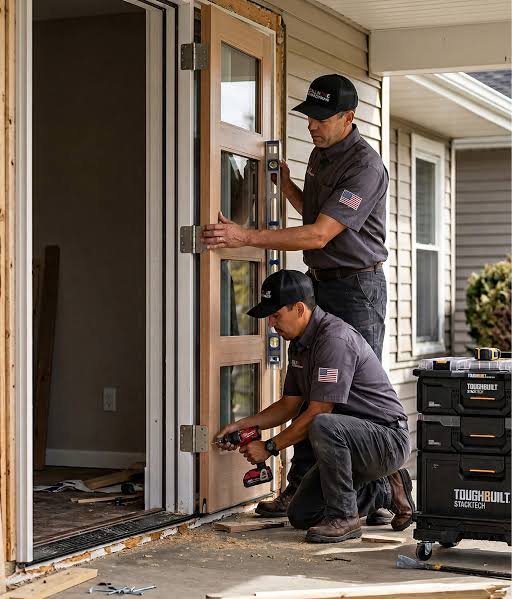
There’s a funny thing about home repairs: the problems that bother you most aren’t always the biggest ones. It might be the bedroom door that takes two hands to close, a dent in the hallway wall that you’ve stopped noticing, or a backyard gate that rattles every time the wind picks up.
You tell yourself you’ll deal with it later. Then later becomes next month. Next month becomes next year.
Eventually, those little annoyances become part of the house.
They don’t have to. Small repairs, handled at the right time, can improve safety, appearance, comfort, and even the way a property feels day to day. More importantly, fixing minor damage early can sometimes prevent a much larger repair bill down the road.
Start With What Isn’t Working
A useful way to approach home repairs is to pay attention to inconvenience. If you have to push a door with your knee while turning the handle, that’s a clue. If a wall has a hole that catches your eye every time you walk past it, that’s another.
Not every problem requires an immediate professional visit, of course. But recurring issues deserve attention, especially when they affect safety or suggest that something underneath may be wrong.
Doors are a good example. A door that won’t close properly could simply have loose hinges. It could also be affected by a shifted frame, moisture, or movement in the surrounding structure.
When a Door Stops Behaving Normally
Most homeowners don’t think much about their interior doors until one starts sticking. Then suddenly it’s the most annoying thing in the house.
If the latch doesn’t line up with the strike plate, the door may need to be lifted, pushed, or pulled before it catches. Sometimes the fix is straightforward. Tightening hinge screws, adjusting the strike plate, or replacing worn hardware can restore normal operation.
Professional door latch & alignment repairs can be especially useful when the problem keeps returning. Rather than repeatedly forcing the door shut, it’s better to determine why the alignment is changing in the first place.
A properly aligned door should close smoothly without excessive pressure. That sounds like a small detail, but it’s one you’ll appreciate every single day.
Walls Take More Abuse Than We Admit
Walls quietly absorb a surprising amount of life. Furniture bumps into them. Kids hang things on them. Shelves get removed. Picture frames move around. Someone carries a large piece of furniture through a doorway and — oops — there’s a new mark.
Small holes and dents are common, and they aren’t necessarily signs of poor home care.
The real challenge is making the repair disappear afterward. A patch that’s perfectly smooth can still look obvious if the surrounding wall has orange peel, knockdown, popcorn, or another texture.
That’s why drywall hole & texture patching involves more than simply filling a hole with compound. The repaired area needs to blend with the existing surface. Sanding, priming, and matching the texture all matter if you want the finished wall to look natural under everyday lighting.
Don’t Paint Too Soon
One common mistake after repairing drywall is reaching for the paint immediately.
The patch needs time to dry fully, and the surface should be smooth enough that the repair won’t show through the new paint. A primer can also help prevent differences in sheen or absorption between the repaired area and the surrounding wall.
And here’s something homeowners sometimes learn the hard way: paint color can change over time. Even if you have the original paint can sitting in the garage, the wall may have faded slightly.
A small test area is often worth the effort.
Outdoor Repairs Matter, Too
Home maintenance doesn’t stop at the front door. Fences, gates, decks, retaining structures, and exterior surfaces take a beating from weather throughout the year.
Wood can swell and shrink. Posts can loosen. Fasteners can corrode. Soil can shift. A fence that was solid five years ago may now wobble when you lean against it.
A loose gate is more than a cosmetic issue. If it doesn’t close securely, it can affect privacy, pets, children, or property security.
For aging sections, fence & gate stabilization can help restore strength without automatically requiring complete replacement. Depending on the condition, stabilization may involve reinforcing posts, adjusting hinges, replacing hardware, or addressing movement around the base.
Know When Replacement Makes More Sense
Repair is usually attractive because it costs less than replacement. But repairing something repeatedly isn’t always economical.
If a fence post is severely rotted, for example, adding another bracket may only postpone the inevitable. Likewise, a badly damaged door frame may require more work to repair than replacing the affected section.
The right choice depends on the condition, not just the price of the repair.
A good repair professional should be willing to tell you when something is no longer worth saving. That’s valuable advice, even if it means spending a little more today.
Look for the Cause, Not Just the Symptom
This may be the most important principle of all.
If drywall keeps cracking in exactly the same location, patching it every six months doesn’t solve the underlying issue. If a door repeatedly falls out of alignment, something may be causing the movement. If a fence post becomes loose again shortly after being repaired, the problem could be deeper than the hardware.
Repairs should restore function, but they should also raise the question: Why did this happen?
Sometimes the answer is simple. Sometimes it isn’t. Either way, understanding the cause helps prevent the same problem from becoming a recurring expense.
Small Repairs Can Improve a Home’s Feel
There’s also a psychological side to fixing things.
A loose handle, damaged wall, or crooked gate might seem insignificant individually. But when several small problems accumulate, the entire property can start to feel neglected. You may not consciously notice every issue, yet you sense that things aren’t quite right.
Fixing those details can change that feeling surprisingly quickly.
The house doesn’t need to be perfect. Real homes aren’t. But when doors work smoothly, walls look cared for, and outdoor structures feel secure, everyday life becomes a little easier.
A Practical Way to Stay Ahead
Instead of waiting until something breaks completely, consider doing a quick walk-through of your home every few months.
Open and close the doors. Check wall surfaces in high-traffic areas. Look at fences and gates after severe weather. Notice anything that feels loose, unusual, or different from before.
Keep a short list of repairs and deal with the most important ones first. Safety-related problems should obviously come before cosmetic ones.
This simple habit can prevent that familiar situation where five small jobs suddenly become one enormous weekend project.
Fix the Little Things While They’re Still Little
Homeownership comes with an endless list of things to maintain. That’s just part of the deal. The trick isn’t to fix everything immediately or spend money unnecessarily.
It’s to recognize which problems are worth addressing before they grow.
A misaligned door can become a damaged latch. A small drywall hole can become a larger damaged section. A loose fence can eventually become a fallen fence. None of these outcomes are guaranteed, but early attention usually gives you more options.
And sometimes that’s all good maintenance really is — noticing the small stuff, dealing with it sensibly, and keeping your home working the way it should.


