The Simple Water Treatment Habits That Can Prevent Bigger Problems
Most water treatment systems are designed to work quietly in the background. You don’t think about them when the shower is running smoothly, the coffee tastes right, or the dishes come out of the dishwasher without a cloudy film. That’s kind of the point.
But quiet equipment still needs attention.
A filter gradually fills with the material it was designed to capture. A water softener can run low on salt. Valves and settings can drift. Small issues that seem harmless today may eventually affect water quality or system performance. The good news is that maintaining household water equipment usually doesn’t require anything complicated. A little consistency can prevent a lot of frustration.
The first step is simply knowing what your system does and recognizing when its performance begins to change.
Pay Attention to What Your Water Is Telling You
Your water often gives you clues before the equipment itself shows an obvious problem.
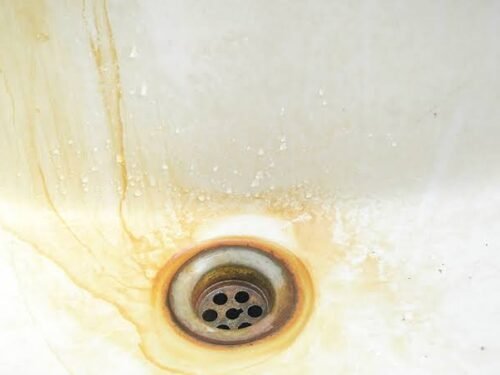
Maybe the water has developed a faint odor. Perhaps there’s more scale around the faucets than usual. You might notice that soap isn’t lathering properly, laundry feels different, or the water pressure has dropped slightly.
None of these signs automatically means your treatment system has failed. Plumbing problems, changes in the incoming water supply, and other household issues can produce similar symptoms. Still, a noticeable change is worth investigating rather than ignoring.
Think about it like a check-engine light, only much less dramatic. You don’t need to panic, but you probably shouldn’t put a piece of tape over it either.
Filters Need Regular Attention
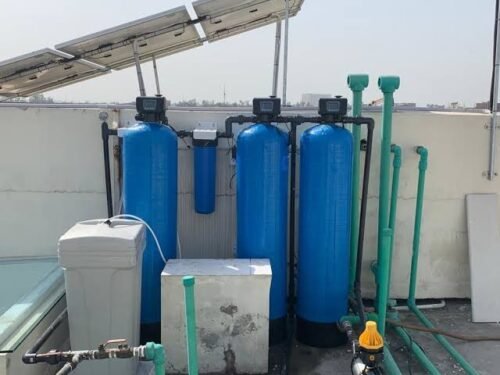
Filtration equipment can only perform effectively when its filter media or cartridges are in reasonable condition. As filters collect sediment and other materials, they can become increasingly restricted.
The exact replacement interval depends on the filter type, water quality, household size, and amount of water used. That’s why there isn’t one universal schedule that works for every home.
Following the manufacturer’s recommendations is a sensible starting point. If your water contains unusually high levels of sediment or other materials, replacement may be needed sooner.
Routine filter changes are a small maintenance task, but they’re one of the easiest ways to keep a filtration system operating as intended. Waiting until water flow becomes noticeably poor isn’t always the best strategy. By that point, performance may already have declined.
Don’t Let the Softener Run Empty
For homeowners with a salt-based water softener, the brine tank deserves occasional attention.
Salt is used during the regeneration process that allows the softener to continue reducing hardness minerals. If the supply gets too low, the system may not operate as expected, depending on its configuration.
Checking the salt level periodically is simple enough, although lifting and carrying heavy bags isn’t exactly anyone’s idea of a fun Saturday morning. For households that prefer a more convenient option, salt delivery can take one recurring chore off the list.
The key is consistency. You don’t need to obsess over the tank every day, but letting it remain empty for an extended period can create avoidable problems.
Small Performance Changes Matter
Water treatment problems don’t always announce themselves with a leak or loud mechanical noise.
Sometimes the first sign is a gradual change. Water may taste slightly different. Hard-water spots may start returning. A previously pleasant shower experience might not feel quite the same.
These changes can be easy to dismiss because they happen slowly. But documenting them can actually help when you contact a technician. If you can say, “The pressure started dropping about three weeks ago,” or “We noticed more spotting after changing the filter,” you’ve already provided useful information.
It gives the technician a better place to start.
Professional Maintenance Has Its Place
Homeowners can handle some basic maintenance, but certain checks are better left to someone who understands the equipment.
A technician can inspect connections, valves, tanks, controls, pressure, settings, and other components that aren’t always obvious from the outside. They may also notice early signs of wear that could become more expensive later.
Periodic tune-ups can be particularly useful for systems that have been operating for several years. The goal isn’t to repair something that isn’t broken. It’s to make sure the equipment is still configured correctly and performing efficiently.
That distinction matters. Good maintenance isn’t about selling unnecessary work. It’s about keeping a working system working.
Keep the Area Around the Equipment Clean
Water treatment equipment is often installed in garages, utility rooms, basements, or other areas where clutter tends to gather.
Try to keep enough space around the equipment for inspection and service. Avoid stacking boxes directly against tanks, controls, pipes, or valves. A clear area also makes it easier to spot moisture, corrosion, loose connections, or other unusual changes.
This sounds like a minor detail, but accessibility matters when something needs attention. A technician shouldn’t have to move half your holiday decorations just to reach a filter housing.
Know the Difference Between Maintenance and Repair
Maintenance helps prevent or identify problems. Repair addresses a problem that’s already there.
If a system is making unusual noises, leaking, producing unexpected water quality, or failing to regenerate correctly, don’t assume another routine adjustment will solve it. Continuing to operate damaged equipment can sometimes make matters worse.
Likewise, don’t automatically replace the entire system because one component has failed. A valve, control, filter housing, or other part may be repairable.
A proper diagnosis should come before a major purchase.
Don’t Forget Drinking-Water Systems
Dedicated drinking-water equipment deserves its own maintenance routine.
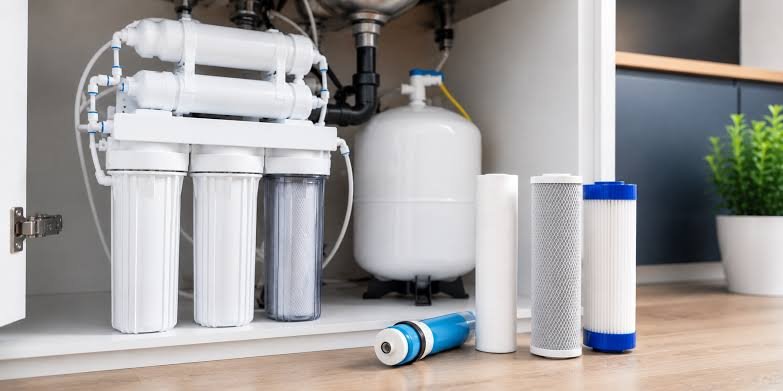
Reverse osmosis systems, under-sink filters, and other point-of-use systems contain components that eventually need replacement. Because these systems are often used for drinking and cooking, keeping up with their recommended maintenance is particularly important.
Pay attention to filter replacement dates and any changes in taste, odor, or water production. If the system includes a storage tank or multiple filtration stages, make sure each component is being maintained according to the manufacturer’s instructions.
A system doesn’t become “set and forget” simply because it’s installed under the kitchen counter.
Maintenance Can Protect Other Household Equipment
Good water treatment maintenance isn’t only about the treatment equipment itself.
Hard water and sediment can affect faucets, showerheads, water heaters, dishwashers, washing machines, and other fixtures. Keeping the treatment system operating properly can help it perform the role it was installed for.
It won’t eliminate every plumbing or appliance problem, of course. Nothing does. But preventing avoidable buildup and maintaining filtration performance can be a worthwhile part of looking after the larger household water system.
Make Maintenance Part of the Routine
The easiest maintenance plan is usually the one you’ll actually follow.
Keep a simple record of filter replacements. Check salt levels when appropriate. Pay attention to changes in water taste, pressure, or appearance. Follow the equipment manufacturer’s recommendations, and arrange professional inspection when the system needs more than basic homeowner attention.
None of these tasks is particularly glamorous. That’s okay.
Home maintenance is full of boring little jobs that become important only when they’re ignored. Water treatment is no different. Spending a few minutes on routine care can help you avoid the much bigger headache of discovering that your system has stopped doing its job when you need it most.
Clean, dependable water shouldn’t require constant thought. With sensible maintenance and a little awareness, your treatment system can keep doing what it was designed to do—quietly, reliably, and without turning into another household emergency.