Stump Grinding in Fuller Heights, FL: Restore Your Yard After Tree Removal
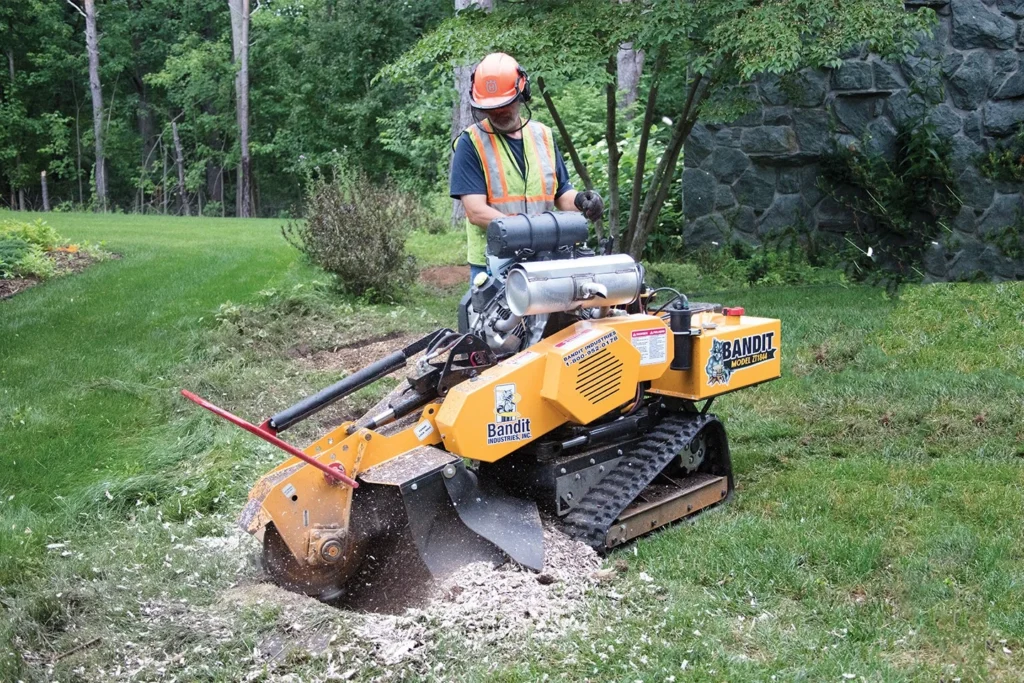
Removing a tree is often necessary when it becomes damaged, diseased, unstable, or unsuitable for its location. However, the remaining stump can continue to affect your property long after the tree has been removed. It can interfere with lawn maintenance, create obstacles in walkways, attract unwanted pests under certain conditions, and prevent you from using the surrounding area effectively. For homeowners in Fuller Heights, Florida, addressing leftover stumps is an important part of maintaining a functional and attractive outdoor space.
Professional stump grinding in Fuller Heights, FL offers a practical way to remove most of a tree stump without excavating the entire root system. Specialized equipment breaks the stump into smaller wood chips, reducing its height and allowing the surrounding area to be reclaimed. Understanding the process, its benefits, and the preparation involved helps you decide how to handle an unwanted stump safely and efficiently.
Why Should You Remove a Tree Stump?
An old stump might appear harmless, but its location and condition can create several problems for homeowners. The longer it remains, the more it can interfere with landscaping plans and routine property maintenance.
Reduce Tripping Hazards
Stumps positioned near sidewalks, patios, driveways, or frequently used lawn areas can create obstacles. They become especially inconvenient when grass grows around them and makes their edges difficult to see.
Grinding the stump below ground level removes the prominent obstruction and helps make the area easier to maintain.
Improve Landscaping Options
A remaining stump can prevent you from installing garden beds, extending a lawn, or redesigning an outdoor living area. Removing it creates more flexibility when planning landscaping improvements.
Once the site is properly prepared, you can restore the area with grass, decorative plants, or other suitable landscaping features.
Address Potential Pest Concerns
Decaying wood can attract certain insects and other organisms. Depending on the stump’s condition and surrounding environment, it might provide shelter or a food source for unwanted pests.
Grinding removes much of the aboveground wood and helps reduce this potential attraction. However, it does not guarantee the elimination of insects or pests already present in the surrounding soil.
How Stump Grinding Works
Understanding the process helps you prepare your property and establish realistic expectations.
Step 1: Inspect the Stump and Surrounding Area
A professional begins by evaluating the stump’s size, condition, location, and accessibility. Nearby structures, landscaping, fences, underground utilities, and other obstacles influence the equipment and approach required.
Before work begins, underground utility lines must be identified and marked through the appropriate notification process. In the United States, homeowners and contractors can contact 811, the national number for requesting underground utility locating before digging or performing work that could affect buried infrastructure. Contacting 811 helps reduce the risk of damaging buried utility lines.
Step 2: Grind the Remaining Wood
A stump grinder uses a rotating cutting wheel to chip away the wood gradually. The operator works across the stump, reducing it below the surrounding ground level.
The required depth depends on the intended use of the area. For a typical lawn restoration, grinding approximately 6–12 inches below the surrounding soil level is a common starting point, although the appropriate depth varies with the stump, root structure, and site conditions. Preparing a site for a future construction project generally requires a separate assessment because grinding alone does not remove the entire root system or establish a suitable construction foundation. Specify the intended use of the area before work begins so the contractor can recommend an appropriate depth.
Step 3: Manage the Wood Chips and Restore the Area
Grinding produces wood chips mixed with soil and other organic material. The volume depends on the stump’s diameter, height, and root flare, so larger stumps can generate substantial piles of chips. Some of these chips can be used as mulch in suitable landscaping areas, while excess material might need to be removed. Ask whether hauling away the chips is included in the estimate or will incur an additional charge.
If you plan to establish grass, the remaining depression should be filled with appropriate soil rather than relying entirely on fresh wood chips. Decomposing wood can affect the stability of the surface as the material breaks down.
Why Local Conditions Matter in Fuller Heights, FL
Florida’s warm climate, seasonal rainfall, and humid conditions influence how homeowners maintain their landscapes. Heavy rain can expose drainage problems, while persistent moisture can affect decomposing wood and surrounding soil.
Before restoring a ground stump area, consider how water moves across your property. Avoid creating depressions that collect water or redirect runoff toward your home.
The intended use of the space also matters. Areas designated for lawns, planting beds, walkways, or future structures require different preparation methods. Communicating your plans before grinding helps determine the appropriate depth and restoration approach.
Root regrowth is another consideration. Some tree species can produce new shoots, often called suckers, from surviving roots even after the stump has been ground. In Florida landscapes, species such as camphor trees and certain poplars are known for producing root sprouts. The likelihood of regrowth depends on the species, the condition of the remaining roots, and site conditions. Ask your contractor to identify the tree species, where possible, and discuss whether additional monitoring or follow-up treatment may be needed.
Should You Grind a Stump Yourself or Hire a Professional?
Small stumps might appear manageable, but stump grinders are powerful machines that require proper training and protective equipment. Flying wood fragments, hidden debris, underground utilities, and nearby structures create potential hazards.
Professional services are particularly useful when dealing with large stumps, restricted access, multiple stumps, or locations close to buildings and paved surfaces.
Before hiring a provider, ask about equipment access, debris management, grinding depth, site protection, and cleanup. Confirm whether filling the resulting hole or restoring the lawn is included in the estimate.
Stump grinding is generally less invasive and often less expensive than complete stump excavation because it removes the stump without requiring the entire root system to be dug out. However, costs vary according to stump size, root flare, accessibility, the number of stumps, and debris removal. Full excavation may cost more because it involves additional labor, equipment, and soil disturbance. Request an itemized estimate that specifies grinding depth, chip removal, and site restoration so you can compare services accurately.
Conclusion: Reclaim Your Outdoor Space
An unwanted tree stump can limit landscaping options, complicate lawn care, and create unnecessary obstacles around your property. Grinding offers a practical solution that helps restore usable space without requiring complete excavation of the root system.
Evaluate the stump’s location, consider your future landscaping plans, and arrange a professional assessment to determine the appropriate approach. Taking action now helps you maintain a cleaner, safer, and more functional outdoor environment in Fuller Heights.