How Better Water Can Change the Way Your Home Feels
Most people don’t think much about water until it starts leaving clues behind. There are white marks around the faucet. Soap seems to disappear without actually doing much. The shower glass looks cloudy again five minutes after cleaning it. And then there’s that annoying crust inside the kettle.
These are small household frustrations, but they can add up. In many homes, the underlying issue is hard water — water containing higher levels of minerals such as calcium and magnesium. Hard water isn’t necessarily dangerous, but it can make cleaning harder, contribute to scale buildup, and affect plumbing fixtures and appliances over time.
The good news is that water quality can often be improved with the right treatment approach. The trick is understanding what your water needs instead of buying a system based on a flashy sales pitch.
What Does Soft Water Actually Mean?
The term soft water generally refers to water with low concentrations of calcium and magnesium. When hardness minerals are reduced, many of the everyday effects of hard water become less noticeable.
Soap tends to lather more easily. Dishes may come out of the dishwasher with fewer spots. Shower doors can stay cleaner. You may even notice that your skin and hair feel different after bathing.
There is, however, an important distinction between naturally soft water and water that has been treated to reduce hardness. In a treatment system, the goal is usually to exchange hardness ions for other ions, commonly sodium or potassium, depending on the system.
It’s not magic. It’s chemistry doing a fairly useful job around the house.
Why Hard Water Can Be Such a Nuisance
Hard water usually doesn’t announce itself. Instead, it leaves evidence.
Scale can accumulate inside water heaters, faucets, showerheads, and other plumbing components. Appliances that regularly heat water may be particularly affected because heating encourages mineral deposits to form.
Over time, these deposits can interfere with efficiency and water flow. They can also make maintenance more frequent.
Then there are the cosmetic annoyances. Nobody enjoys polishing a faucet every few days because it looks like it has been dusted with chalk.
For households dealing with significant hardness, reducing those minerals can make everyday maintenance noticeably easier.
How Water Softeners Work
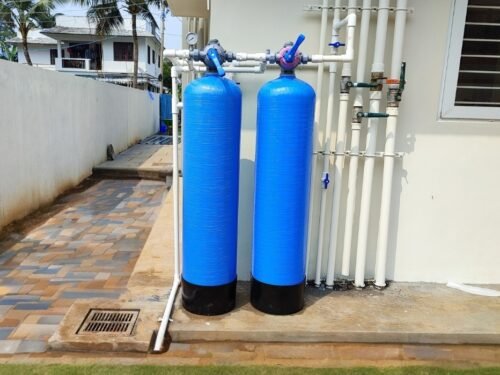
Modern water softeners are designed primarily to reduce hardness minerals in household water. Many traditional systems use ion-exchange resin. As hard water passes through the resin, calcium and magnesium ions are exchanged for sodium or potassium ions.
Eventually, the resin becomes loaded with hardness minerals and needs regeneration. During this process, a salt-based brine solution is commonly used to restore the resin’s ability to soften water.
The size and configuration of a softener should be based on factors such as household water use, water hardness, and the number of people living in the property. An undersized system may regenerate too frequently, while an oversized unit can be unnecessarily expensive.
Good sizing isn’t exciting, but it matters.
Soft Water Isn’t the Same as Purified Water
This is where water treatment conversations sometimes get muddled.
A softener is designed to address hardness. It isn’t intended to remove every contaminant that might be present in water.
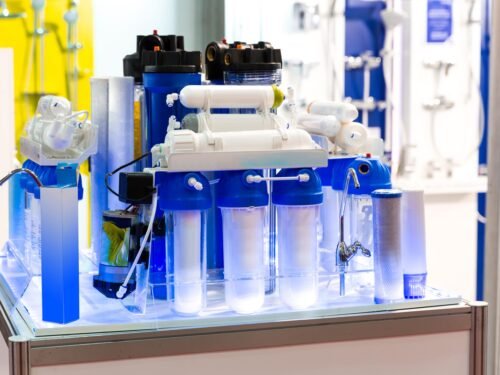
If a homeowner has concerns about dissolved substances, chemicals, microorganisms, sediment, or specific metals, additional treatment may be appropriate. Depending on the water quality, that could involve filtration, carbon treatment, ultraviolet disinfection, or another technology.
Think of water treatment like a toolbox. You don’t use a screwdriver to hammer in a nail simply because the screwdriver happens to be sitting nearby.
When Reverse Osmosis Makes Sense
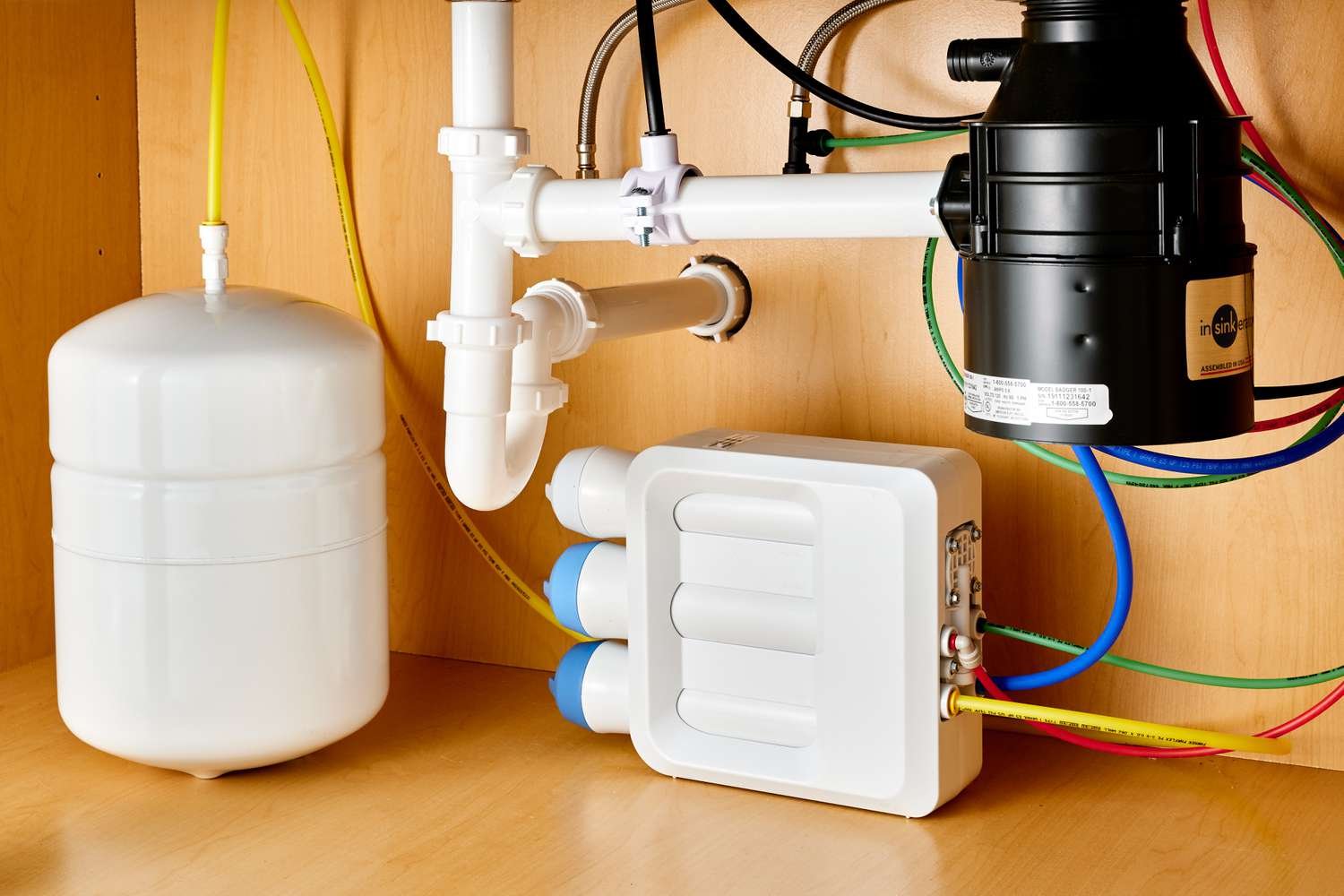
For drinking and cooking water, reverse osmosis systems are another option worth understanding. Unlike a traditional softener, an RO system uses a semipermeable membrane to reduce many dissolved substances from water.
These systems are often installed under a kitchen sink, where they can provide treated water for drinking, cooking, coffee, and other food-related uses.
RO can be particularly useful when testing identifies dissolved substances that a conventional carbon filter or softener isn’t designed to address.
There are trade-offs, naturally. Reverse osmosis systems need maintenance, and many designs produce some wastewater during the filtration process. They also require appropriate water pressure and periodic replacement of filters and membranes.
So again, testing first is a smart move.
Should You Treat the Whole House?
Not every water-quality concern requires whole-home treatment.
If your primary concern is drinking water, a point-of-use system at the kitchen sink may be enough. But if hard water is causing scale throughout the house, treating only the kitchen won’t do much for the shower, washing machine, or water heater.
Whole-house treatment can provide a more comprehensive solution when the problem affects multiple fixtures.
The right choice depends on your priorities, budget, water chemistry, and household habits. A family of six using lots of water will have different requirements from someone living alone in a small apartment.
Don’t Ignore Your Water Heater
Water heaters often get overlooked during conversations about hard water. They shouldn’t.
When hard water is heated, mineral deposits can accumulate inside the tank or on heating components. Over time, this buildup may reduce efficiency and contribute to maintenance issues.
Reducing hardness before water enters the heater can help limit scale formation. It won’t eliminate the need for normal water-heater maintenance, of course, but it can remove one source of trouble.
If you’ve ever heard popping or rumbling from a water heater, mineral buildup may be one possible factor worth having checked.
Maintenance Keeps Treatment Working
Buying treatment equipment is only the beginning.
Filters need replacing. Softener systems require salt or other regeneration media depending on the design. Valves and settings may occasionally need attention. RO membranes eventually wear out.
The maintenance schedule isn’t something to bury in a manual and forget about. A system that isn’t maintained may gradually deliver weaker results, and the decline can be so slow that you barely notice it.
Set reminders. Keep replacement filters on hand. If professional servicing is recommended, don’t keep postponing it for “next month.” We’ve all done that with household maintenance, but water equipment isn’t a great place for procrastination.
Look at the Bigger Picture
Good water treatment isn’t about chasing perfectly pure water. It’s about solving real problems in a sensible way.
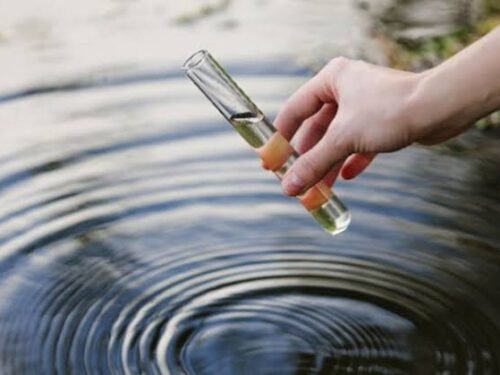
Start by testing the water and identifying what concerns you most. Is hardness the main issue? Are you worried about taste and odor? Do you need additional treatment for drinking water? Does the entire house need attention, or just one faucet?
Once those questions are answered, the technology becomes much easier to navigate.
A softener can make hard-water chores less frustrating. Filtration can address particular water-quality concerns. Reverse osmosis can provide highly treated drinking water where appropriate. Sometimes one technology is enough. Sometimes a combination makes more sense.
The best system is ultimately the one that fits your water, your home, and your willingness to maintain it.
And perhaps that’s the nicest thing about getting water treatment right: you stop noticing the water. Faucets stay cleaner, showers are easier to manage, appliances get a little more breathing room, and that glass of water on the kitchen counter simply tastes good.
Nothing dramatic. Just a home that works a little better.