Understanding Your Home’s Water: Choosing the Right Treatment for Cleaner, Better Water
Water is one of those things most people take for granted until something seems wrong. Maybe the water tastes a little metallic, white spots keep appearing on your glasses, or soap never seems to rinse away properly. Sometimes, the signs are more noticeable, such as reddish stains around sinks or an unpleasant smell coming from the kitchen tap. Whatever the problem, the quality of your household water can affect everyday comfort in ways you might not expect.
The good news is that water problems often have practical solutions. The trick is understanding what’s actually in your water before investing in equipment. Different homes have different needs, and a treatment system that works beautifully for one property may be unnecessary for another.
Why Water Quality Deserves More Attention
Clean-looking water isn’t always clean water. Many dissolved minerals, naturally occurring substances, and other contaminants are invisible to the naked eye. Water may appear perfectly clear while still containing unwanted compounds that affect its taste, smell, or suitability for drinking.
Your water source makes a difference. Homes supplied by private wells may encounter minerals, sediment, iron, or other substances influenced by local geology and nearby land use. Municipal supplies are generally treated and monitored before reaching households, but water can still pick up particles or develop taste and odor issues as it travels through distribution pipes and household plumbing.
Paying attention to these differences is the first step toward making a sensible decision. Rather than guessing based on taste alone, homeowners can arrange appropriate water testing and use the results to identify what needs attention.
Understanding Water Treatment for Private Wells
Private well owners have a particular responsibility when it comes to water quality. Unlike public water systems, individual wells generally don’t receive routine municipal monitoring. Conditions can change after heavy rainfall, flooding, nearby construction, or changes in the surrounding environment.
A reliable well water treatment approach starts with a laboratory test that checks for relevant contaminants. Depending on the property’s location and circumstances, testing may include bacteria, nitrates, pH, hardness, iron, manganese, and other substances of concern. A qualified water professional or local health authority can help determine which tests make sense.
Once the results are available, treatment becomes much more straightforward. Sediment filters may help remove suspended particles, while specialized filtration systems can target particular contaminants. Disinfection equipment, including properly selected ultraviolet systems, may be appropriate when microbial contamination is a concern. However, UV treatment does not remove dissolved chemicals or minerals, and it generally requires suitable pretreatment to work effectively.
It’s worth remembering that no single filter solves every problem. A system should be selected according to the actual test results, the household’s water usage, and the manufacturer’s performance specifications.
Regular testing matters, too. Even if a well has supplied good water for years, that doesn’t guarantee conditions will remain unchanged. Keeping a record of test results and system maintenance gives homeowners a clearer picture of long-term water quality.
Improving Water Quality in Municipal Homes
Public water suppliers usually treat drinking water to meet applicable safety standards, but that doesn’t mean every household enjoys the same taste or experience at the tap. Chlorine used for disinfection, aging plumbing, and mineral content can influence how water smells, tastes, or behaves during daily use.
For many households, municipal water filtration offers a practical way to address specific concerns without treating water that doesn’t need additional treatment. Activated carbon filters, for example, can reduce chlorine taste and odor when the product is certified for that purpose. Some specialized systems are designed to reduce lead or other contaminants, but performance depends on the exact filter model and the substances it has been tested to remove.
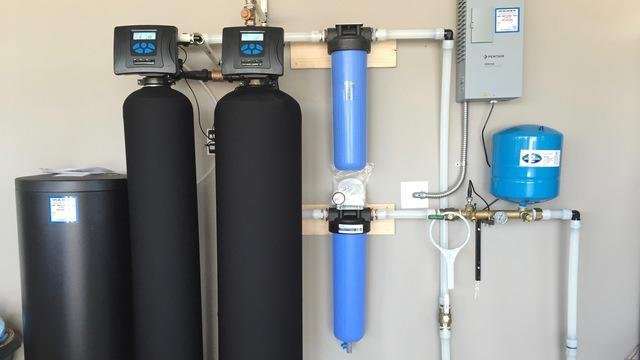
There are several installation options. A simple pitcher filter may suit someone who mainly wants better-tasting drinking water. An under-sink system can provide filtered water at a dedicated kitchen faucet, while a whole-house filtration system treats water entering the property.
The right choice depends on what you’re trying to improve. If the concern is unpleasant drinking water, a point-of-use filter may be enough. If sediment is affecting multiple fixtures, a properly selected whole-house system might be more useful.
Homeowners should also consider plumbing. If water quality changes suddenly, especially in one faucet or after repairs, the issue may involve household pipes rather than the municipal supply itself. Contacting the water provider or a licensed plumber can help identify the cause before you spend money on new equipment.
What Hard Water Means for Your Home
Hard water contains elevated levels of dissolved calcium and magnesium. These minerals are not generally considered a health concern at typical drinking-water concentrations, but they can create plenty of everyday frustrations.
You may notice cloudy glassware, mineral deposits around faucets, soap that struggles to lather, or scale building up inside water heaters and other appliances. Over time, substantial scale accumulation can affect equipment efficiency and increase maintenance requirements.
This is where water softening solutions may help. Conventional ion-exchange water softeners replace calcium and magnesium ions with sodium or, in some systems, potassium ions. By reducing hardness, these systems can limit scale formation and make cleaning easier.
Not every household needs a traditional softener. If hardness is modest, a homeowner might decide that occasional cleaning is enough. Other properties may benefit from a dedicated system, particularly where scale repeatedly affects plumbing fixtures and appliances.
It’s important to distinguish water softening from drinking-water purification. A softener primarily addresses hardness; it is not a universal contaminant-removal device. If a household has concerns about bacteria, lead, nitrates, or other contaminants, those issues require separate assessment and appropriate treatment.
People who must limit sodium intake should also discuss softened drinking water with a healthcare professional. Depending on the system and water hardness, a separate unsoftened drinking-water tap may be worth considering.
Choosing a System Without Overspending
Water treatment equipment can range from inexpensive faucet filters to sophisticated whole-house installations. With so many options available, it’s easy to assume that a larger or more expensive system must be better. That isn’t necessarily true.
Start by identifying the problem. Get the water tested when appropriate, compare the results with your household’s needs, and look for equipment independently certified for the contaminants or performance claims that matter to you. Certifications from recognized organizations, such as NSF, should match the specific reduction claims rather than simply the product category.
Next, consider the total cost of ownership. Purchase price is only part of the equation. Replacement cartridges, salt, electricity, water consumption, professional servicing, and eventual equipment replacement can all affect long-term expenses.
Ask about maintenance before signing a contract. Filters have limited capacities, softeners need periodic servicing, and certain treatment systems require regular sanitation or performance checks. A system that isn’t maintained according to its instructions may deliver less benefit than expected.
Be cautious of dramatic sales claims, too. Water testing and treatment recommendations should be supported by clear evidence, not pressure tactics or vague warnings about ordinary tap water. A trustworthy provider will explain the results, describe available options, and tell you when additional treatment isn’t necessary.
Everyday Habits That Support Better Water
Even the right treatment system needs a little help from the people using it. Replace filters according to the manufacturer’s schedule, keep treatment equipment clean, and address leaks or plumbing problems promptly. If your property uses a private well, protect the area around the wellhead and arrange inspections and testing as recommended by local authorities.
When water develops a sudden change in color, smell, or taste, don’t automatically assume that a filter will fix it. Investigate the cause first, and seek advice from your water supplier, local health department, or a qualified professional. If contamination is suspected, use an appropriate alternative water source until the safety concern has been assessed.
Better Water Starts With Understanding
Every home has its own water story. One household may need a simple carbon filter to improve taste, while another requires a carefully designed treatment system to address well-water contaminants or persistent hardness. The best solution isn’t necessarily the most complicated one; it’s the one that addresses a verified problem and fits the household’s needs.
Take the time to understand your water, ask sensible questions, and keep up with maintenance once a system is installed. Those small steps can make a real difference, helping protect plumbing, improve everyday comfort, and give your family greater confidence in the water flowing from the tap.