Understanding Common Water Problems and How to Keep Your Home’s Water Clean
Water is part of nearly every household routine. We use it to cook dinner, wash clothes, clean bathrooms, and get ready for the day. Most of the time, we expect it to do its job without causing trouble. But when white marks appear on faucets, orange streaks develop inside the toilet, or drinking water starts tasting unusual, it’s hard to ignore something that once seemed so ordinary.
These problems can have different causes, and the solution isn’t always as simple as installing a filter. Water hardness, dissolved metals, sediment, and microbial contaminants each require a different approach. Understanding what’s happening in your home’s water can help you protect your plumbing, make cleaning easier, and choose treatment equipment that genuinely meets your needs.
Why Water Quality Problems Develop
Water quality depends on several factors, including the original water source, local geology, municipal treatment, and the condition of household plumbing. Groundwater, for instance, naturally picks up minerals as it moves through rocks and soil. Public water supplies are treated to meet safety standards, but their mineral content and taste can still vary from one area to another.
Some water problems are easy to spot. Others remain hidden because water can look clear even when it contains unwanted substances. A metallic taste, persistent odor, or unusual color may provide a clue, but appearance alone cannot establish whether water is safe to drink.
That’s why testing is a sensible first step. A water test can help identify hardness, iron, manganese, pH, and other relevant characteristics. Depending on the water source and local risks, additional testing for specific chemicals or microorganisms may be necessary. Once you understand the cause, you can select a treatment method instead of spending money on products that may not solve the problem.
Dealing With Hard Water Buildup Around the House
Have you ever cleaned a showerhead only to find the same crusty deposits returning a few days later? That’s a familiar frustration in homes with hard water.
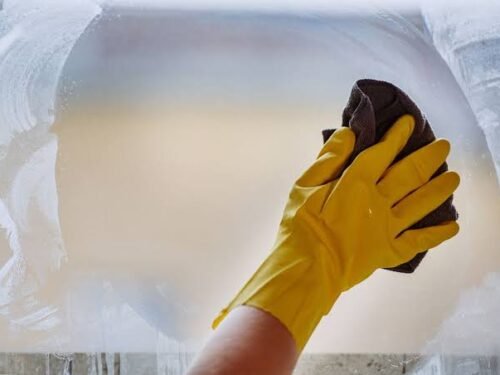
Hard water buildup occurs when water containing dissolved calcium and magnesium leaves mineral deposits behind, particularly as it evaporates. You might notice cloudy glassware, white rings around faucets, soap residue on shower doors, or scale inside a kettle. Over time, these minerals can accumulate in water heaters and other equipment.
Regular cleaning can improve the appearance of affected surfaces, but it doesn’t address the underlying hardness. For stubborn deposits, use a cleaning product suitable for the material and follow its instructions. Acidic cleaners can damage natural stone, certain finishes, and some metals, so it’s worth checking before applying them.
A water softener may provide a more lasting solution when hardness is the main concern. Most conventional softeners use ion exchange to remove calcium and magnesium from the water. This can reduce scale formation, improve soap performance, and make everyday cleaning less frustrating.
However, softeners don’t remove every contaminant. They should be selected specifically for hardness control, and households should consider regeneration requirements, salt consumption, water use, and ongoing maintenance before installation.
What Causes Iron and Mineral Stains?
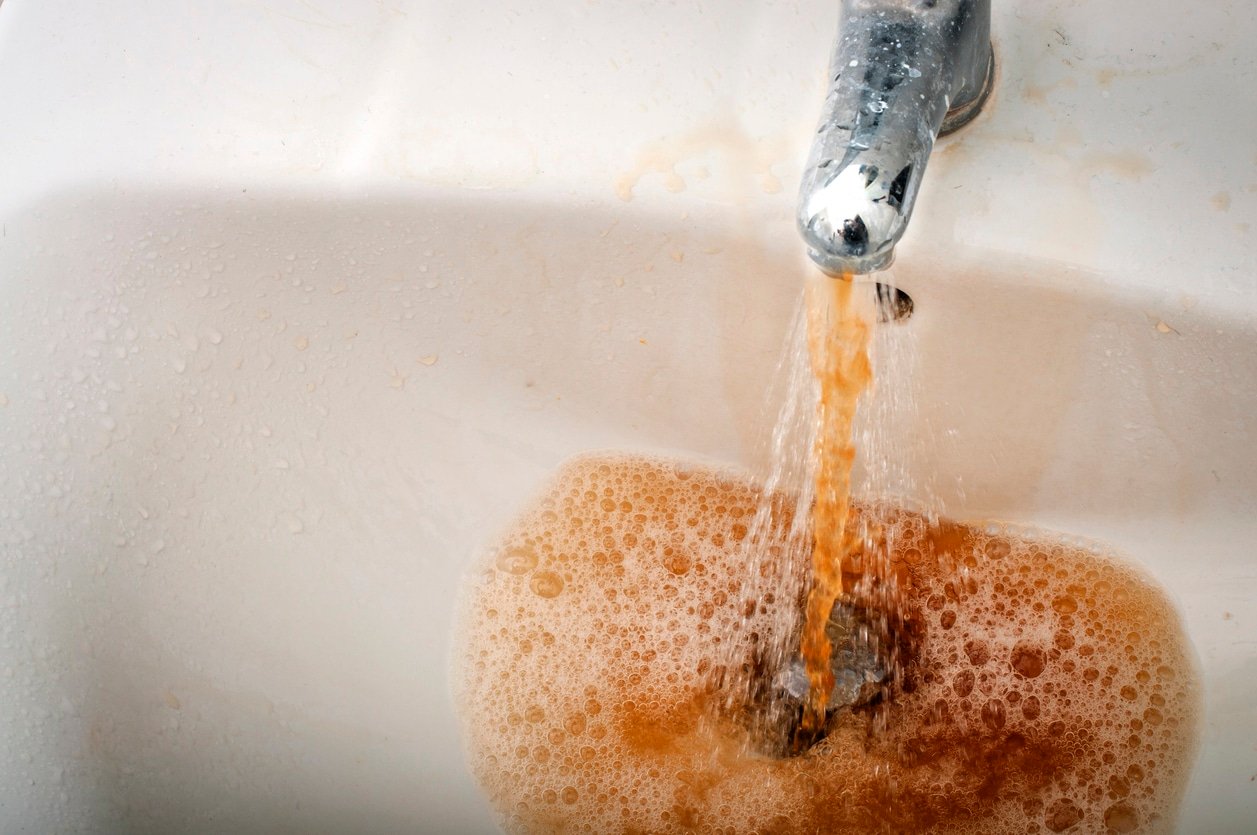
Orange streaks in a toilet bowl, reddish marks around a sink drain, or brownish discoloration on laundry can make a clean home look neglected. Often, iron in the water is responsible, although other minerals and plumbing-related issues may also contribute.
Iron and mineral stains can occur when dissolved iron reacts with oxygen and forms visible deposits. Manganese may cause dark brown or black staining, while other minerals can leave different types of residue. These issues are particularly common in some groundwater supplies, although they can also occur in other water systems.
The first step is identifying the substance causing the stain. Iron can exist in dissolved or particulate forms, and the distinction affects treatment. Depending on the water chemistry and iron concentration, suitable solutions may include oxidation followed by filtration, specialized iron-removal media, or another professionally selected treatment process.
A basic sediment filter may catch rust particles, but it generally won’t remove iron that remains dissolved in water. That’s an important difference, especially when stains keep returning despite installing a standard filter.
For existing marks, choose a cleaner designed for the affected surface and the type of deposit. Avoid mixing cleaning chemicals, particularly products containing bleach with acidic cleaners, because dangerous gases can form. If discoloration appears suddenly or is accompanied by unusual changes in taste or smell, investigate the source rather than treating it as merely a cleaning problem.
Recognizing and Addressing Contaminated Water
Some water-quality problems affect convenience, while others can create genuine health risks. Water containing certain microorganisms or harmful chemical substances may not look or smell unusual at all.
Contaminated water can result from different sources, including damaged pipes, agricultural runoff, industrial pollution, failing septic systems, or problems affecting private wells. Potential hazards include disease-causing microorganisms, nitrates, lead, arsenic, and other substances, depending on local conditions.
The appropriate response depends on the contaminant. Boiling water can kill many disease-causing microorganisms, but it does not remove heavy metals or most chemical pollutants. In fact, boiling may concentrate certain dissolved substances as water evaporates. Similarly, a standard carbon filter shouldn’t be assumed to remove every chemical or biological hazard.
If you suspect contamination, arrange appropriate testing through a qualified laboratory or local public-health authority. Follow any official drinking-water advisories and use a recommended alternative water source when authorities advise against drinking or cooking with the supply.
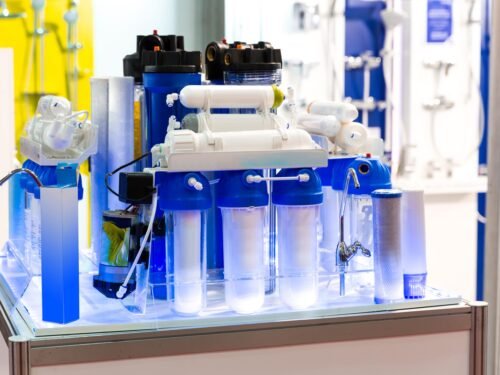
Treatment equipment should be chosen according to verified contaminant-reduction claims. Certified filters, reverse osmosis units, ultraviolet disinfection systems, and other technologies each have specific applications and limitations. Some homes may require more than one treatment stage, particularly when several unrelated water-quality issues are present.
Choosing the Right Water Treatment Solution
Water treatment works best when it starts with evidence. A softener is useful for hardness, specialized filtration can address certain metals, and a properly selected drinking-water filter may reduce specific contaminants. These technologies aren’t interchangeable, and buying a system simply because it advertises multiple filtration stages doesn’t guarantee better results.
Consider how much water your household uses, the number of bathrooms, available installation space, and the costs of replacement cartridges, salt, electricity, or wastewater. For whole-house equipment, water pressure and flow rate are also important. An undersized system may struggle when several taps or showers run simultaneously.
Ask installers to explain which water-quality results support their recommendations. Find out what the system removes, what it leaves behind, how often it needs servicing, and whether its performance has been independently certified for your particular concern.
For private wells, testing should be repeated periodically and whenever conditions change, such as after flooding, nearby construction, or a change in water appearance or taste. Local authorities can often advise which contaminants deserve attention in your area.
Keeping Water Quality Under Control
Installing treatment equipment is only part of the job. Filters need timely replacement, softeners require appropriate maintenance, and treatment units should be inspected according to the manufacturer’s recommendations. Poorly maintained equipment may lose effectiveness, while neglected plumbing problems can introduce new concerns.
Pay attention to changes, too. Persistent staining, unusual odors, reduced water flow, or a sudden shift in taste can indicate that something deserves a closer look. Don’t assume every problem is caused by minerals, and don’t rely on clear-looking water as proof of safety.
A Smarter Approach to Cleaner Water
A comfortable, well-maintained home begins with understanding the small things that affect daily life, and water quality is certainly one of them. Mineral deposits, metal staining, and potential contamination may look like related problems, but each calls for a different response.
Start with proper testing, choose treatment technology that addresses the identified issue, and maintain the equipment over time. You don’t necessarily need the most expensive system or the one with the longest list of features. You need a reliable solution suited to your water.
With a little investigation and informed decision-making, you can reduce frustrating stains, protect household equipment, and take practical steps toward cleaner, more dependable water for everyday use.