Choosing the Right Water Treatment System for Your Home
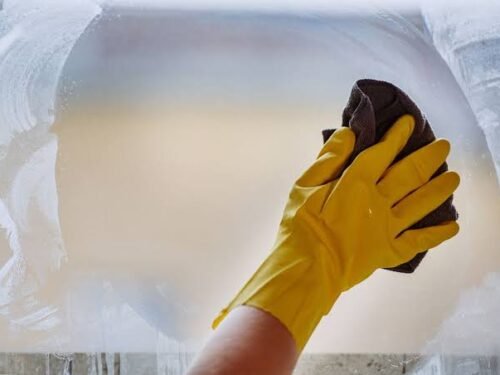
Water problems have a funny way of becoming part of the household routine. You wipe white spots from the faucet, replace a filter, scrub the shower glass, and promise yourself you’ll figure out what’s causing it all later. Then later becomes six months from now.
The thing is, not every water problem needs the same solution. Hard water, sediment, unpleasant taste, odors, and concerns about dissolved substances are different issues, even when they show up at the same kitchen sink.
Choosing the right treatment system starts with understanding that difference. Once you know what you’re dealing with, the equipment becomes much easier to choose—and you’re less likely to spend money on something that doesn’t actually solve the problem.
Start by Paying Attention to the Symptoms
Your home can give you plenty of clues about water quality. White crust around faucets often points toward mineral buildup. Orange or brown staining may indicate iron. Cloudiness can be related to sediment or other conditions. A strange taste or smell might have a completely different cause.
These clues are useful, but they aren’t a substitute for testing.
Water can contain substances that aren’t visible or noticeable at all. That’s why a water analysis is such a sensible first step, particularly for households using private wells. It gives you a baseline and helps determine which treatment technologies are actually appropriate.
Instead of thinking, “I need a filter,” it’s better to ask, “What does my water need?”
That small change in thinking can save a surprising amount of money.
When Hard Water Is the Main Concern
Hard water is common in many areas and is primarily associated with calcium and magnesium. It isn’t necessarily a sign that the water is unsafe, but it can certainly make household chores more annoying.
Mineral deposits collect around faucets and showerheads. Glassware may come out of the dishwasher with spots. Soap doesn’t rinse quite the way you’d like. Over time, scale can also build up inside water-using appliances and plumbing components.
For homes where hardness is the central issue, water softeners can be a practical solution. They are designed specifically to reduce hardness minerals and can help minimize scale throughout the plumbing system.
However, a softener shouldn’t be treated as a universal water purifier. If your water also contains sediment, iron, odor-causing compounds, or other contaminants, additional treatment may be necessary.
Drinking Water Often Needs a More Focused Approach
There are times when the water throughout your home is acceptable for bathing and cleaning, but you want a higher level of treatment for drinking and cooking.
That’s where a point-of-use system can make sense.
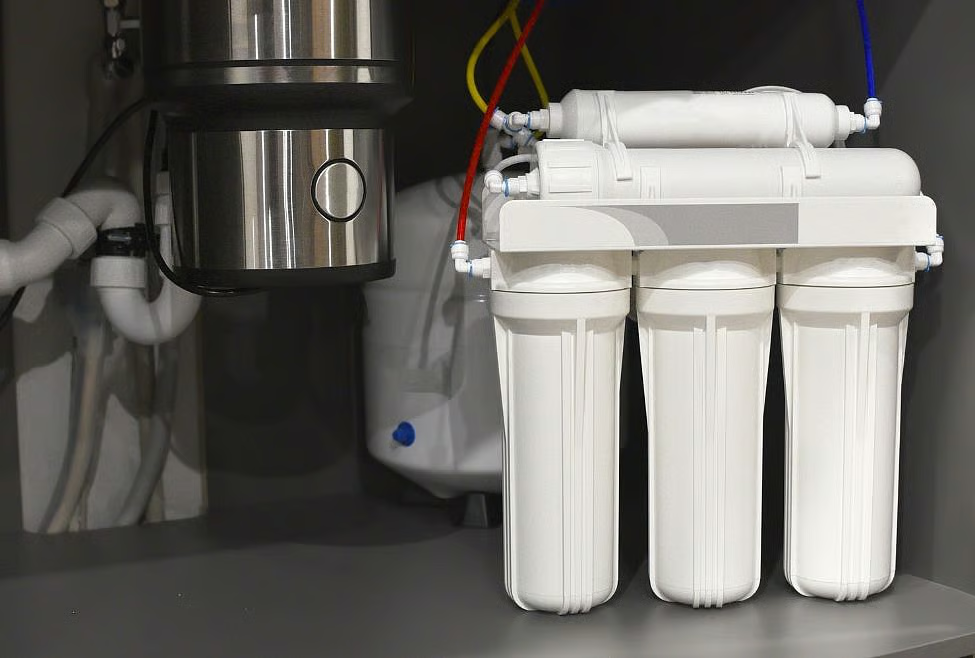
Reverse osmosis systems are designed to push water through a semipermeable membrane, reducing many dissolved substances in the treated water. They’re commonly installed under a kitchen sink and connected to a dedicated drinking-water faucet.
The technology can be particularly useful when water testing identifies dissolved contaminants or when homeowners want a more comprehensive drinking-water treatment option.
But reverse osmosis isn’t automatically the answer for everyone. These systems produce treated water at a specific rate and may require storage, filter changes, membrane replacement, and proper maintenance. The incoming water conditions also matter.
In short, it’s a powerful tool, but it should be selected for a reason.
Don’t Underestimate a Good Filtration System
Filtration is one of the broadest categories in residential water treatment, and that’s part of why the term can be confusing. Not every filter removes the same things.
Carbon filtration, for example, is often used to improve taste and odor and reduce certain compounds. Sediment filtration is intended to capture particles such as sand, dirt, or other suspended material. Specialty media can be designed for particular water-quality problems.
Water filters can therefore range from simple cartridge filters to more sophisticated whole-house systems. The right choice depends on the water entering your home and what you’re trying to accomplish.
A basic filter can be perfectly adequate for one household and completely wrong for another. Again, the water test has the final say.
Whole-House or Point-of-Use?
This is one of the most practical questions homeowners face.
A point-of-use system treats water at a particular faucet. It’s a good fit when your primary goal is improving drinking and cooking water.
A whole-house system treats water before it travels through the home’s plumbing. This may make more sense when the concern affects showers, bathrooms, laundry, appliances, and multiple faucets.
Think about how the problem actually appears in your home.
If the only complaint is the taste of drinking water, treating every gallon entering the house may be unnecessary. If mineral buildup is appearing everywhere, a kitchen-only filter won’t solve much beyond the kitchen.
The simplest system that properly addresses the problem is often the smartest one.
Consider What Your Family Actually Uses
Water consumption varies from household to household. A family of six will have different flow and capacity requirements than a single person living in a small home.
Daily habits matter, too. Do you cook frequently? Fill water bottles throughout the day? Run multiple showers in the morning? Have a large soaking tub or high-demand appliances?
Treatment equipment needs to keep up with real household usage.
Capacity, flow rate, regeneration cycles, storage tanks, and filter life aren’t just technical specifications buried in a brochure. They determine how well the system works when everyone in the house suddenly needs water at the same time.
Installation Is Part of the Solution
Even excellent equipment can perform poorly when it’s installed incorrectly. Plumbing configuration, water pressure, drainage, electrical requirements, available space, and bypass arrangements all deserve attention.
A professional installer should also understand the relationship between different treatment stages. For example, sediment filtration may be placed before certain other equipment to protect downstream components.
The goal isn’t simply to connect pipes and turn a valve. A good installation considers how the entire system will operate day after day.
And yes, placement matters. Nobody wants to discover six months later that the filter housing is tucked into a corner where changing the cartridge requires contortionist skills.
Maintenance Is Easy to Forget
Water treatment equipment works in the background, which is both its greatest advantage and its biggest maintenance trap.
Because you don’t see the system working, it’s easy to forget that filters have a service life. Some equipment needs periodic cleaning or regeneration. Reverse osmosis membranes eventually require replacement. Softeners may need salt, inspections, and adjustments.
Keep a simple maintenance schedule. Write down installation dates and replacement intervals. Set reminders if necessary.
A few minutes of planning can prevent the system from quietly becoming less effective.
Don’t Buy More Technology Than You Need
Water treatment has become increasingly sophisticated, which is great—but more technology doesn’t always mean better water.
A homeowner may see a system with multiple stages, smart controls, monitoring features, and a long list of capabilities and assume it’s the best option. Maybe it is. Maybe it isn’t.
If your water has one straightforward issue, a complicated system may simply add cost and maintenance without adding meaningful value.
The best setup is the one that addresses your actual water-quality concerns, fits your home, and makes sense financially over the long term.
Better Water Comes From the Right Match
There is no single treatment system that works perfectly for every house. Water chemistry is too varied for that.
Start with testing. Understand whether you’re dealing with hardness, sediment, taste and odor concerns, dissolved substances, or a combination of problems. Then consider whether treatment should happen at one faucet or throughout the home.
Most importantly, look beyond the equipment itself. Installation, maintenance, replacement costs, and ongoing support all contribute to whether a system remains useful years after it’s installed.
When the treatment approach matches the water, things become pleasantly uneventful. The faucet doesn’t leave crusty deposits. The shower doesn’t need constant scrubbing. Drinking water tastes better, and the equipment quietly does its job.
That’s really what good water treatment should feel like—not complicated, not dramatic, just dependable.