Planning Reliable Backup Power With Generator Installation in Grove City, PA
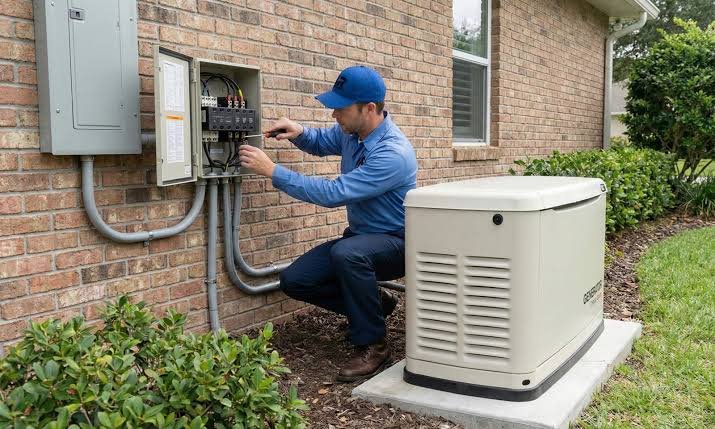
A power outage can interrupt heating, refrigeration, lighting, communications, and other essential household functions. For homeowners who rely on electrically powered equipment, losing electricity can create more than a temporary inconvenience. A properly selected backup generator provides an alternative source of electricity when the utility supply becomes unavailable.
Before arranging generator installation in Grove City, PA, determine which systems you need to keep running during an outage. This decision influences generator capacity, equipment selection, installation requirements, and the overall cost of the project.
Careful planning helps you invest in a system that matches your household’s priorities without choosing equipment that is unnecessarily large or insufficient for your needs.
Determine Which Circuits Need Backup Power
The first step is creating a list of essential electrical loads. Different households have different priorities, so generator capacity should reflect your actual requirements.
Common considerations include:
A. Refrigerators and freezers.
B. Heating system controls and circulation equipment.
C. Essential lighting and selected outlets.
D. Sump pumps and certain water systems.
E. Internet equipment and communication devices.
F. Medical equipment that requires dependable electrical power.
G. Selected kitchen appliances or home office equipment.
Some appliances draw considerably more electricity when starting than they use during normal operation. Motors, pumps, and certain heating or cooling systems can therefore influence generator sizing.
Generators are rated in watts or kilowatts, and the required capacity depends on the combined electrical demand of the equipment you plan to operate. A qualified electrician can assess the electrical loads, starting requirements, circuit arrangement, and anticipated simultaneous demand to help determine the appropriate generator size. This evaluation helps determine whether you need to power selected circuits or support a larger portion of the home.
Choosing Between Portable and Standby GeneratorsPortable Generators
Portable generators can provide temporary electricity for selected equipment during an outage. They are generally moved into position when needed and require appropriate fuel, setup, and operating procedures.
Their limitations include manual operation, restricted capacity, and the need for safe outdoor placement. They must never be operated indoors, in garages, or near openings where exhaust can enter an occupied building.
Portable generators must also never be connected to household wiring through an improvised arrangement. A properly designed transfer arrangement is essential when connecting a generator to a home’s electrical system.
Run time depends on the generator’s fuel tank capacity, electrical load, and fuel consumption. During an extended outage, monitor fuel levels and follow the manufacturer’s instructions for safe refueling.
Standby Generators
Standby generators are installed in a fixed outdoor location and connected to an appropriate fuel supply and electrical transfer equipment. Depending on the configuration, the system can restore power to selected circuits or a larger portion of the home when an outage occurs.
Automatic transfer equipment detects a loss of utility power and manages the transfer according to the system’s design. This reduces the need for manual intervention.
Standby systems require suitable installation space, electrical work, fuel arrangements, and ongoing maintenance. A professional assessment helps determine whether the convenience justifies the additional investment.
During an extended outage, a standby generator’s run time depends on its fuel source, fuel supply, electrical load, and consumption rate. For propane-powered models, available propane and tank capacity affect how long the generator can operate before refueling is necessary. Ask the installer to explain the expected fuel consumption and operating time under your anticipated load.
Plan the Generator’s Location Carefully
Generator placement affects safety, noise, maintenance access, and compliance with applicable requirements.
The unit must be positioned outdoors with clearances appropriate to its design and local rules. Exhaust must be directed away from windows, doors, ventilation openings, and occupied areas.
Carbon monoxide is an odorless, potentially fatal gas produced by combustion engines. Follow the manufacturer’s placement instructions and applicable safety requirements precisely. Install and maintain carbon monoxide alarms as recommended for your home.
The site should also provide access for servicing and avoid obstructing walkways or essential equipment. Discuss drainage, weather exposure, noise, and proximity to neighboring properties during planning. Ask about the generator’s operating noise level and whether its proposed location could disturb household members or nearby neighbors, particularly if the unit will sit close to a property line.
Understand Electrical and Fuel Requirements
A generator installation involves more than placing equipment outside. The system must connect safely with the home’s electrical distribution and prevent dangerous interaction between generator power and utility power.
A suitable transfer switch or approved transfer arrangement prevents backfeeding, which occurs when generator electricity flows into utility lines in an unsafe manner.
Fuel requirements depend on the generator model and available supply. Natural gas, propane, and gasoline systems have different storage, connection, and operating considerations.
Electrical connections and fuel-system work must follow applicable codes and be completed by appropriately qualified professionals. Ask which permits, inspections, and utility approvals are necessary before work begins.
Prepare for Winter Outages
Grove City experiences seasonal weather that can bring freezing temperatures and winter storms. A backup power plan should account for the conditions in which the generator will operate.
Keep the area around the unit clear of accumulated snow and debris, following the manufacturer’s requirements. Never allow snow or ice to block exhaust outlets or required ventilation clearances.
Arrange maintenance according to the manufacturer’s schedule. Depending on the model, this can include checking oil, filters, batteries, fuel connections, and other components.
Periodic testing also helps identify problems before an actual outage. Many standby generators automatically run scheduled exercise cycles to check their operating condition. Follow the manufacturer’s recommended exercise schedule and have unusual noises, warning indicators, or starting difficulties evaluated.
Estimate Costs Before Installation
The total project cost depends on generator capacity, equipment type, electrical modifications, fuel connections, site preparation, permits, and installation complexity.
Request a written estimate that separates equipment costs from installation work. Confirm which circuits will receive backup power, what transfer equipment is included, and whether required inspections are part of the proposal.
Also ask about routine service requirements, warranty coverage, and expected maintenance expenses.
Prepare Your Home for Unexpected Power Loss
Backup power is most effective when the equipment matches your household’s needs and is installed with safety as the priority. Proper sizing, secure electrical connections, safe placement, and regular maintenance all contribute to dependable performance.
If you are considering generator installation in Grove City, start by identifying your essential electrical loads and discussing suitable equipment with a qualified electrician. Plan the installation before the next outage so your household has a practical strategy for maintaining essential power.