Good Design Is Only Half the Job: Why Installation Matters Just as Much
A well-designed system can look perfect on paper. The specifications are right, the materials are attractive, the measurements seem to line up, and the price fits the budget. Then the installation begins — and suddenly, things get a little more complicated.
That’s because good results rarely come from a product or design alone. The way something is planned, measured, installed and finished can make all the difference. Whether you’re upgrading a home, improving a commercial property, or starting a new construction project, workmanship matters. Quite a lot, actually.
Most people don’t want to become experts in construction, design or installation. They simply want the finished project to work properly, look good and hold up over time. That’s a reasonable expectation.
Design Should Begin With the Real Space
Every property has its quirks. Walls aren’t always perfectly straight. Older buildings can hide surprises behind floors and ceilings. A room that looks simple during an initial visit might have structural limitations, awkward access points or existing systems that need to be worked around.
This is why good design starts with listening and measuring rather than jumping straight into a solution.
Professional top-quality design and installation services should take the property’s actual conditions into account. A thoughtful design considers how people will use the space, what materials make sense, how much maintenance will be required and whether the proposed solution will still make sense several years from now.
It’s tempting to focus on appearance first, especially with renovations. But a beautiful result that becomes difficult to use or expensive to maintain isn’t really a successful project.
Planning Can Prevent Expensive Mistakes
Nobody likes discovering a problem halfway through a project. By then, materials may already have been ordered, work may have started, and changing the plan can cost both time and money.
Detailed planning helps reduce those surprises.
Measurements should be checked. Materials should be selected for the environment. Installation requirements should be understood before work begins. If multiple contractors or trades are involved, their work needs to be coordinated rather than handled as separate little islands.
This might sound overly cautious, but it can actually make the process smoother. Spending a little more time planning at the beginning often saves considerably more time fixing mistakes later.
And yes, sometimes unexpected problems still appear. That’s construction. What matters is having an experienced team capable of dealing with them without turning a small issue into a full-blown crisis.
Workmanship Is Where Plans Become Reality
A design drawing doesn’t install itself.
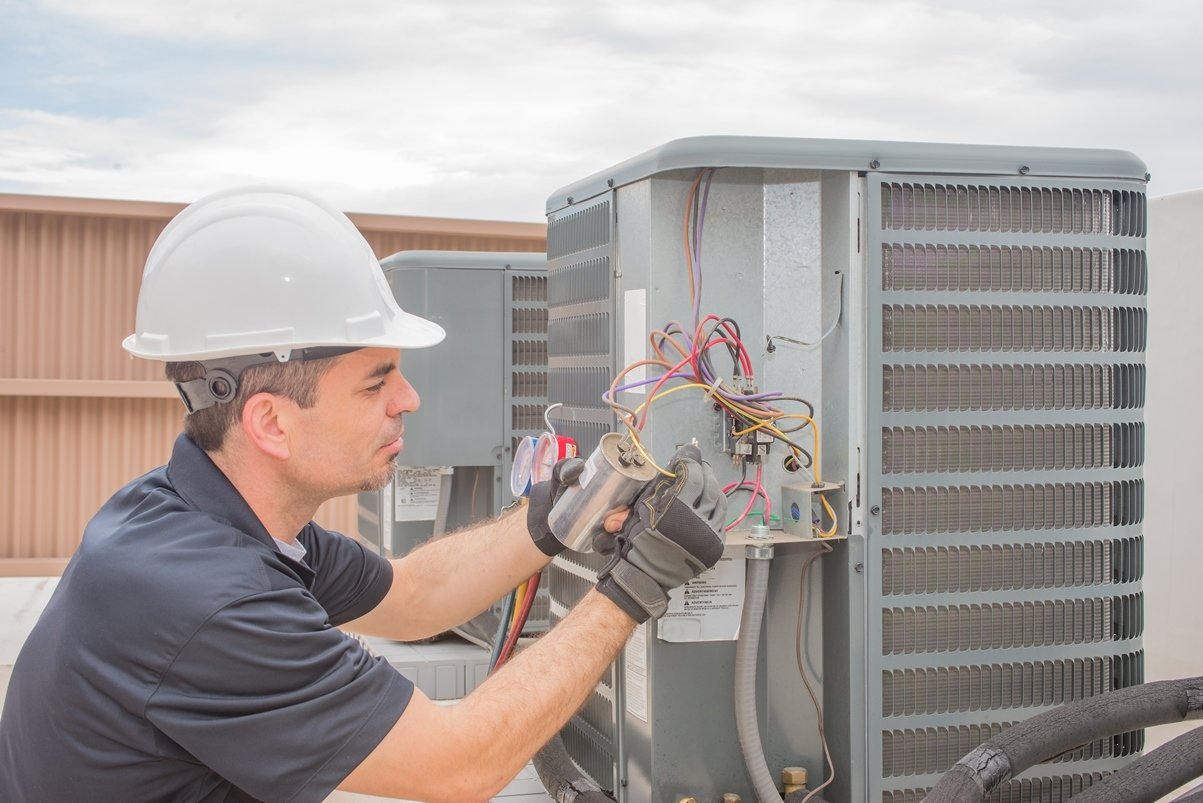
The quality of the finished project depends heavily on the people doing the physical work. Proper measurements, careful cutting, secure connections, appropriate materials and attention to finishing details all matter.
Small shortcuts may not be obvious immediately. A poorly aligned component might look fine at first. A rushed finish may pass inspection. But over time, those shortcuts can lead to premature wear, repairs or an end result that simply doesn’t feel right.
Good installers tend to care about the details most people never notice. They make sure edges are finished properly, components are aligned and the installation is safe and practical.
That’s the kind of work you appreciate even more a few years later.
Communication Makes the Process Easier
A project can be technically excellent and still leave a bad impression if communication is poor.
Customers need to know what is happening, especially when work takes longer than expected or circumstances change. Nobody enjoys being left wondering whether a contractor is going to show up tomorrow, next week or sometime before the next presidential election.
Clear communication doesn’t require constant updates. It simply means setting realistic expectations and speaking honestly when something changes.
Before work begins, ask questions about the timeline, materials, costs and what happens if unexpected issues arise. A professional contractor should welcome reasonable questions rather than treating them as an inconvenience.
Local Knowledge Can Be Surprisingly Valuable
Building conditions vary from one region to another. Climate, soil, weather patterns, building styles and local regulations can all influence how a project should be approached.
For property owners in western oklahoma, working with professionals familiar with local conditions can offer a practical advantage. Someone who regularly works in the area is more likely to understand the challenges created by local weather and common construction practices.
Local experience can also make communication easier. The contractor knows the area, understands typical project requirements and may have established relationships with suppliers and other tradespeople.
That doesn’t mean every local contractor is automatically better, of course. Experience, reputation and quality still matter. But regional familiarity is certainly worth considering.
Don’t Let Price Become the Only Deciding Factor
Budget matters. For most people, it matters a lot.
Still, choosing the lowest quote without looking closely at what you’re actually receiving can be risky. Two estimates may appear similar while including very different materials, levels of workmanship, warranties or project support.
Instead of asking only, “Who is cheapest?” consider asking, “What am I getting for the money?”
Look at experience, reviews, references, materials, project timelines and after-installation support. A slightly higher initial cost may be worthwhile if it means better materials and fewer problems later.
On the other hand, expensive doesn’t automatically mean excellent. A good contractor should be able to explain the value behind the price rather than simply presenting a large number.
Customer Experience Doesn’t End at Completion
The final day of installation isn’t necessarily the end of the relationship.
Good businesses understand that customer satisfaction involves the entire experience — from the first conversation to the final inspection. Customers want the finished work to meet expectations, but they also want to feel respected throughout the process.
That includes arriving when promised, keeping the work area reasonably tidy, answering questions and addressing legitimate concerns after completion.
Warranties and follow-up support can provide additional peace of mind. Before signing an agreement, understand what is covered and for how long. It’s much better to know those details beforehand than to search through paperwork after something goes wrong.
Think About the Long-Term Result
A successful installation should still make sense after the excitement of completion wears off.
Will it be easy to maintain? Are replacement parts readily available? Is the material suitable for the environment? Does the design leave enough room for future repairs or upgrades?
These aren’t always the questions people ask when they’re eager to see a project finished, but they’re important.
The cheapest or quickest solution today may become frustrating later. A little forward thinking can prevent that.
The Best Work Often Feels Effortless
When design and installation are done properly, the finished result doesn’t necessarily scream for attention. It simply works. The doors line up, the equipment performs as expected, the materials hold up, and the space feels like it belongs together.
That’s the real value of professional workmanship.
A successful project isn’t just about getting something installed. It’s about creating a result that fits the property, serves its purpose and continues to perform long after the tools have been packed away.
So, before choosing a contractor, look beyond the glossy portfolio and the cheapest estimate. Ask questions. Check experience. Understand the materials and process. Most importantly, choose people who care about doing the job properly.
Because in the end, good design may catch your eye — but good installation is what makes you glad you chose it.