What Your Water Is Telling You: Common Problems Worth Paying Attention To

Most people don’t inspect their water very closely. They turn on the tap, fill a glass and get on with the day. Fair enough. Water is supposed to be one of those dependable parts of life that doesn’t require much thought.
But sometimes it gives you clues.
A white ring around the faucet. A metallic taste. Orange stains in the bathroom. A strange smell that comes and goes. Or perhaps you’ve simply started wondering what might be in your water that you can’t see. These signs don’t automatically mean something is wrong, but they can be a good reason to take a closer look.
Water quality problems vary from home to home, and the right response depends on the source, chemistry and intended use of the water. Understanding the common concerns is a useful first step.
Hard Water Can Become a Daily Nuisance
One of the most common household water issues is hard water. It contains higher levels of naturally occurring minerals, particularly calcium and magnesium. While hardness isn’t generally considered a direct health concern, it can make everyday chores surprisingly frustrating.
Soap may leave a film instead of rinsing clean. Shower doors develop cloudy spots. Faucets collect mineral deposits. Glassware can come out of the dishwasher looking less than sparkling.
There’s another concern, too: scale. Over time, minerals can accumulate inside water heaters, pipes and appliances that regularly use hot water. That buildup may affect efficiency and increase maintenance needs.
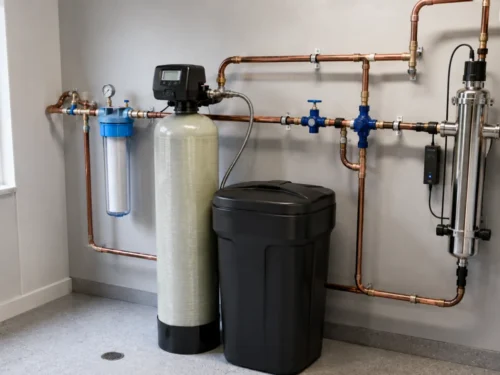
Testing the water can confirm whether hardness is actually the issue. If it is, a properly sized water softener may help reduce the mineral load and make household water easier to live with.
Orange Stains Often Have a Story Behind Them
If you’ve noticed reddish-brown marks around sinks, toilets or tubs, iron may be part of the explanation. This is especially common with some private well supplies.
Iron & rust problems can affect more than appearance. Iron may create a metallic taste, discolor clothing and contribute to staining throughout the plumbing system. In some cases, the water can look clear when first drawn but develop a noticeable color after sitting.
Treatment depends on how much iron is present and the form it takes in the water. Different treatment methods work better under different conditions, which is why testing matters before selecting equipment.
It’s tempting to buy a filter after seeing a few stains, but a little detective work first can save you from choosing the wrong solution.
Not Everything in Water Is Visible
One of the trickier parts of water quality is that some concerns don’t announce themselves. You can’t necessarily smell, taste or see every substance that may be present.
This is why water testing is valuable even when the water looks perfectly normal. Appearance is only one piece of the puzzle.
Municipal water supplies are routinely treated and monitored, but water quality can still vary based on the source and local conditions. Private well owners have a different responsibility because they generally need to arrange their own testing and understand changes in their groundwater.
Knowing what’s present gives homeowners a much stronger foundation for making treatment decisions.
Understanding PFAS Concerns
In recent years, more homeowners have become aware of pfas concerns. PFAS refers to a large group of manufactured chemicals that have been used in various industrial and consumer applications because of their resistance to heat, water and oil.
The topic can feel overwhelming because there are many different PFAS compounds and ongoing developments around testing, regulation and treatment. Rather than relying on internet rumors or assuming that every household has the same exposure, it makes sense to look at credible local information and consider appropriate water testing.
Where PFAS are detected or there is a specific reason for concern, treatment technologies such as activated carbon and reverse osmosis may be considered depending on the particular circumstances. Professional guidance can help determine what approach is appropriate.
The important point is not to panic. It’s to get reliable information.
Your Water Source Changes the Conversation
A home’s water source plays a major role in determining what should be tested and treated.
Municipal water has already gone through treatment processes before reaching the property, but the water can still interact with household plumbing and fixtures. Older plumbing, for example, may introduce additional considerations.
Well water is different. Groundwater chemistry can vary significantly depending on local geology and environmental conditions. Well owners may encounter hardness, iron, sulfur odors, sediment and other naturally occurring characteristics.
That doesn’t mean well water is automatically poor quality. In many homes, it can be perfectly suitable once its characteristics are understood and properly managed.
Don’t Treat a Symptom Without Finding the Cause
A common mistake is treating the most obvious symptom without understanding what’s behind it.
If water leaves white spots, homeowners may immediately assume they need a softener. If it tastes unusual, they might install a carbon filter. If there’s an odor, they may try another filter entirely.
Sometimes those solutions work. Sometimes they don’t.
A water test can help distinguish between similar-looking problems. For example, mineral deposits and certain types of sediment may appear as general “dirty water,” while requiring completely different treatment approaches.
Think of it like taking your car to a mechanic. You wouldn’t replace random parts until the noise disappeared. Water treatment deserves the same kind of practical diagnosis.
Treatment Should Match the Goal
Not every household needs a complicated collection of equipment. Treatment should be based on what you want to accomplish.
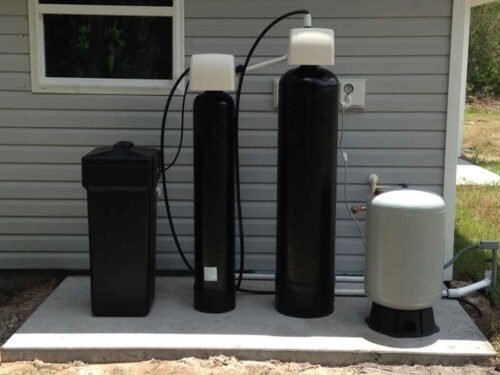
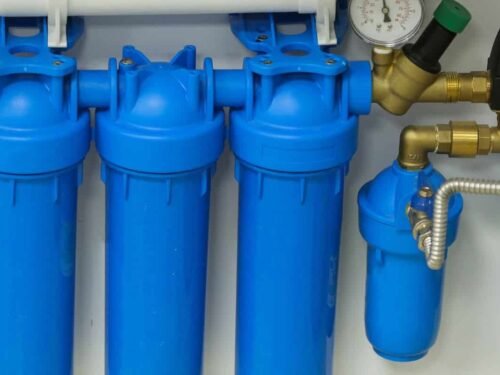
If hardness is the main issue, softening may be appropriate. If you’re concerned about sediment, filtration may be the answer. Drinking water with specific dissolved contaminants may call for a point-of-use system such as reverse osmosis.
Some properties benefit from multiple stages of treatment, especially when they have several unrelated water-quality concerns. But adding equipment simply because it sounds impressive isn’t necessarily smart.
The best system is one that solves a real problem and can be maintained properly.
Maintenance Matters More Than Most People Expect
Even high-quality equipment can lose effectiveness when neglected. Filters have limited capacities. Treatment media eventually needs replacement or regeneration. Components wear out.
Regular maintenance helps keep the system performing as intended. It also gives homeowners an opportunity to notice changes in water quality early.
If your water suddenly tastes different, develops an unusual odor or begins leaving new stains, don’t automatically assume the treatment system has failed. The source water itself may have changed.
That’s another reason periodic testing can be useful, especially for private wells.
A Little Knowledge Goes a Long Way
Water doesn’t have to be mysterious. Once you understand the common warning signs and know what testing can reveal, decisions become much less intimidating.
Hardness, iron, sediment and emerging concerns such as PFAS all require different considerations. There isn’t one universal filter that magically handles every possible issue, despite what some advertisements might suggest.
Start with information. Test when appropriate. Understand the results. Then choose treatment based on the actual problem.
Good water treatment isn’t about making water “perfect.” It’s about making informed choices that protect your household, your plumbing and the everyday experience of using water. Sometimes a small change in understanding is all it takes to turn a frustrating water problem into a manageable one.