Making Everyday Water Treatment More Convenient for Your Home
Most people don’t think much about their water until something changes. Maybe the shower leaves stubborn mineral marks on the glass, the laundry feels rough after washing, or the kettle develops a chalky layer that seems to return almost overnight. These small frustrations can be signs of hard water, and over time, they can make ordinary household tasks more difficult than they need to be.
A well-chosen water treatment system can help address these issues, but the details matter. System capacity, regeneration cycles, the type of filtration used, and the cost of ongoing maintenance all influence how well the equipment performs. Understanding these factors makes it easier to choose a solution that suits your home rather than simply buying the first product recommended to you.
Understanding What Your Household Needs
Water quality varies from one location to another. Some homes receive water with high levels of calcium and magnesium, while others deal with sediment, unpleasant tastes, or concerns about specific dissolved substances. The treatment method should match the problem.
Hard water is particularly common in areas where groundwater passes through mineral-rich rock. Although hardness is not generally considered a health hazard by itself, it can contribute to scale buildup inside pipes, water heaters, and appliances. It may also reduce soap lather and leave spots on dishes and bathroom fixtures.
Testing your water is a sensible starting point. If you use municipal water, your supplier’s water quality report can provide useful background information. A household test can help establish hardness levels, while a qualified laboratory may be needed to investigate particular contaminants. Private well owners should arrange regular testing because groundwater conditions can change.
Once you know what’s present, you can decide whether you need a softener, a filtration system, or a combination of treatments. There’s no reason to pay for equipment that doesn’t solve an actual problem.
When a Multi-Tank Design Makes Sense
Water softeners rely on resin to capture hardness minerals as water passes through the system. Eventually, the resin needs regeneration to restore its capacity. Depending on the equipment, this process may temporarily interrupt the availability of softened water.
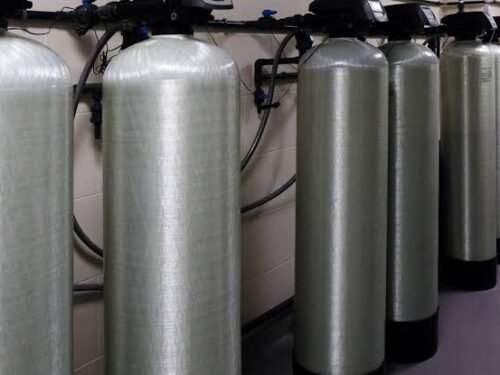
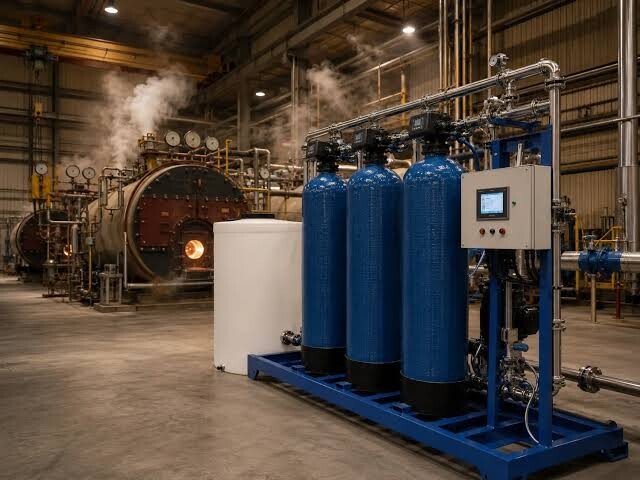
A multi-tank design can help address this limitation in homes or businesses with high or continuous water demand. In many twin-tank softeners, one tank supplies treated water while the other regenerates or waits for its turn to operate. The system can switch between tanks as needed, allowing softened water to remain available during regeneration.
This arrangement can be useful for larger families, busy households, guest accommodation, and commercial facilities where water use doesn’t follow a predictable schedule. Imagine a household where the dishwasher, washing machine, and several showers are used within a short period. Having treatment capacity available when it’s needed can make the system more practical.
However, a multi-tank setup isn’t automatically the best choice for every property. It may involve a higher purchase price, more installation space, and additional components. A smaller household with modest water consumption might be perfectly well served by a single-tank softener.
The important question is how much treated water your household actually needs. A professional assessment should consider daily consumption, peak demand, incoming water hardness, and the system’s rated capacity before recommending a design.
Why Softer Water Can Improve Daily Cleaning
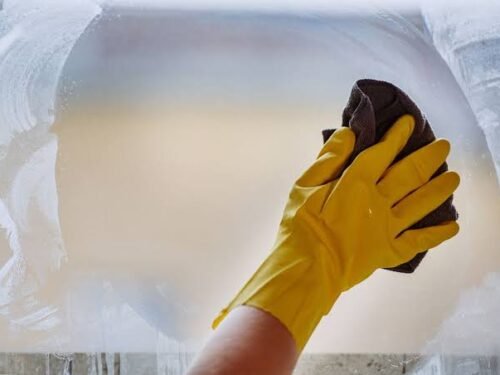
Hard water can make cleaning feel like a never-ending chore. Soap reacts with calcium and magnesium, sometimes creating residue that clings to bathroom surfaces, shower doors, and sinks. Detergents may also work differently depending on the water chemistry, which can affect how much product is needed for certain tasks.
When a suitable softener reduces hardness, cleaning can become easier. Soap may lather more readily, and mineral deposits may form less quickly. You might notice fewer spots on glassware and less scale around faucets. These improvements won’t eliminate every cleaning problem, of course, but they can reduce some of the extra work associated with hard water.
The difference can also be noticeable when rinsing dishes, washing clothes, or cleaning shower walls. A soft water rinse may help reduce the mineral residue that contributes to spotting and dull-looking surfaces, particularly when the water is appropriately softened for the task.
It’s worth keeping expectations realistic. Softened water doesn’t replace good cleaning practices, and it won’t remove every kind of stain. Rust-colored marks, for example, may be related to iron, while other discoloration can have entirely different causes. If staining persists after softening, testing the water can help identify whether another treatment method is needed.
Also, remember that water softening and drinking water purification serve different purposes. A standard softener reduces hardness; it isn’t designed to remove every contaminant. If drinking water quality is a concern, consider an appropriate filtration system based on reliable test results.
Choosing Equipment Without Overspending
Water treatment equipment should be evaluated as a long-term household investment. The initial price matters, but so do operating costs, maintenance requirements, and the availability of replacement parts.
Ask about the system’s rated capacity and how that capacity relates to your water hardness. A unit that is too small may regenerate frequently, while an oversized system may cost more than necessary. Control settings also matter. Demand-initiated regeneration, for instance, can schedule regeneration based on measured or estimated water use rather than relying solely on a fixed calendar interval.
Look into salt consumption, water use during regeneration, and any electricity requirements. If the system has multiple tanks, find out how the valves and controls coordinate operation. Request a clear explanation of the maintenance schedule instead of assuming the equipment will take care of everything automatically.
Independent certifications can offer additional reassurance, provided they apply to the exact product and the performance claims you care about. Ask suppliers for documentation rather than relying only on general marketing language.
A dependable installer should also check plumbing connections, drainage requirements, available space, and water pressure. Proper installation can make a substantial difference to reliability and service life.
Is a Rental Program Worth Considering?
Buying a water treatment system isn’t the only option. Some suppliers offer rental arrangements that provide access to equipment through a recurring payment rather than requiring the full purchase price upfront.
Before committing, request rental program information that clearly explains the monthly fee, installation charges, maintenance coverage, minimum contract period, and cancellation terms. Some arrangements include routine servicing or replacement components, while others leave certain expenses to the customer.
Renting may appeal to people who don’t want a large upfront cost or who expect to move within a few years. It can also provide peace of mind if service support is included and the provider responds promptly when something goes wrong.
Ownership may be more economical over a longer period, particularly when the system requires relatively little maintenance. To compare the options fairly, calculate the total rental payments over the expected period and add any extra charges. Then compare that figure with the purchase price, installation, and likely maintenance costs of owning the equipment.
Read the agreement carefully. Understand who is responsible for repairs, what happens if the system fails, and whether you can purchase the equipment later. A low monthly payment isn’t necessarily the best deal if important services are excluded.
Keep the System Performing Well
Even a high-quality system needs attention. Follow the manufacturer’s instructions for salt levels, filter replacement, cleaning, and scheduled servicing. Check for leaks and watch for changes in water hardness or pressure. If the water suddenly begins leaving scale again, don’t ignore it; the cause could be a control problem, an empty salt supply, or a component that needs professional inspection.
Good maintenance protects your investment and helps the equipment perform as intended. It also gives you an opportunity to spot small issues before they become expensive repairs.
Ultimately, the right water treatment system is the one that fits your water quality, household demand, and budget. Take time to understand the options, ask direct questions, and compare the full cost of ownership. With a little planning, better water management can become a practical improvement to daily life rather than another complicated household responsibility.